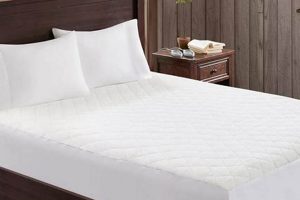
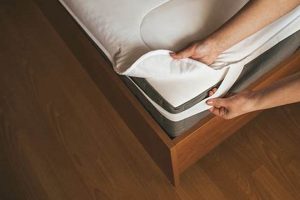
The frequency of laundering a bedding component designed to protect the mattress is a common inquiry. This protective layer, typically made of cotton, polyester, or other absorbent materials, sits atop the mattress and beneath the fitted sheet. Regular cleaning extends its lifespan and maintains a hygienic sleep environment.
Consistent laundering of this item is crucial for removing accumulated sweat, dead skin cells, dust mites, and potential allergens. Neglecting this maintenance can lead to the buildup of unpleasant odors, staining, and a less sanitary sleeping surface. Historically, maintaining clean bedding has been recognized as integral to overall health and well-being.
The following sections will detail recommended cleaning schedules, proper washing techniques, and factors that may influence the need for more frequent laundering of this essential bedding item.
Tips for Maintaining a Clean Mattress Pad
Maintaining a clean mattress pad is essential for hygiene and prolonging its lifespan. Implementing a consistent cleaning routine contributes to a healthier sleep environment. The following tips offer guidance on achieving optimal cleanliness.
Tip 1: Adhere to a Regular Washing Schedule: A general guideline suggests laundering the mattress pad every one to two months. This frequency may be adjusted based on individual needs and usage.
Tip 2: Review the Care Label: Always consult the manufacturer’s instructions for specific washing and drying recommendations. These instructions are crucial for preventing damage to the material.
Tip 3: Address Stains Promptly: Treat any stains as soon as they are noticed. Use a mild stain remover or a solution of water and gentle detergent. Avoid harsh chemicals that could damage the fabric.
Tip 4: Use a Gentle Detergent: Select a detergent formulated for delicate fabrics. Harsh detergents can break down the fibers and shorten the lifespan of the mattress pad.
Tip 5: Utilize the Delicate Cycle: When machine washing, opt for the delicate or gentle cycle. This reduces the agitation and minimizes wear and tear on the material.
Tip 6: Tumble Dry on Low Heat: If machine drying is permitted, use the low heat setting. High heat can cause shrinkage and damage to the fibers. Air drying is a suitable alternative.
Tip 7: Inspect for Full Dryness: Ensure the mattress pad is completely dry before placing it back on the bed. Dampness can lead to mold and mildew growth.
By following these tips, individuals can maintain a clean and hygienic mattress pad, promoting better sleep quality and extending the lifespan of this essential bedding item.
The concluding sections will offer additional insights into specialized cleaning needs and address common concerns related to mattress pad maintenance.
1. Regular Usage

The degree to which a mattress pad is used directly correlates with the frequency of required cleaning. Daily usage exposes the pad to bodily fluids, dead skin cells, and environmental allergens, leading to a gradual accumulation of contaminants. A mattress pad used nightly by one or more individuals necessitates more frequent laundering compared to one in a guest room that sees infrequent use. Ignoring regular usage patterns leads to a compromised sleep environment and accelerated degradation of the bedding item.
Consider a scenario in which a mattress pad is used by a child or an individual prone to accidents. Spills and stains occur more frequently, necessitating immediate and thorough cleaning to prevent permanent damage and maintain hygiene. Conversely, a mattress pad in a sparsely used guest bedroom may only require laundering every several months. The distinction lies in the constant exposure to potential contaminants in regularly occupied beds.
Understanding the connection between usage and required cleaning frequency is paramount. Failure to adequately address regular usage patterns results in a less sanitary sleep surface and potentially shortens the lifespan of the mattress pad. A proactive approach, considering the frequency of use, optimizes hygiene and preserves the integrity of the bedding item.
2. Allergy Sensitivity

The presence of allergies or sensitivities within the sleeping environment significantly influences the recommended frequency for laundering a mattress pad. The primary function of the pad, beyond protecting the mattress, is to create a barrier against allergens that can accumulate within bedding materials. Individuals with heightened sensitivities require a more stringent cleaning regimen to mitigate exposure.
- Dust Mite Allergen Reduction
Dust mites are a pervasive allergen found in most homes, thriving in bedding materials. Regular laundering of the mattress pad removes dust mites and their waste products, thereby reducing allergen exposure. Individuals with dust mite allergies often experience improved respiratory health with more frequent washing. A standard cleaning schedule may prove insufficient for those highly sensitive to dust mite allergens.
- Pollen and Mold Spore Removal
Mattress pads can accumulate pollen and mold spores from the environment, particularly during seasonal changes or in humid climates. These allergens can trigger allergic reactions, including rhinitis, asthma, and eczema. Frequent washing removes these contaminants, providing relief for allergy sufferers. The location of the bedroom, such as near open windows or in a damp basement, may further necessitate increased washing frequency.
- Pet Dander Control
For households with pets, dander can accumulate on bedding, including the mattress pad. Even if pets do not sleep directly on the bed, dander can transfer through the air and clothing. Individuals with pet allergies require more frequent laundering to remove dander and alleviate allergic symptoms. Air purifiers and regular vacuuming can supplement the benefits of frequent mattress pad washing.
- Skin Cell and Body Oil Elimination
Mattress pads absorb shed skin cells and body oils, which can contribute to allergen buildup and promote the growth of bacteria and fungi. Regular washing eliminates these organic materials, reducing the potential for allergic reactions and skin irritations. Individuals with sensitive skin or conditions such as eczema may benefit from more frequent laundering to minimize exposure to these irritants.
In conclusion, the correlation between allergy sensitivity and laundering frequency is direct and significant. Individuals with known allergies should prioritize a more rigorous cleaning schedule to maintain a hypoallergenic sleep environment and minimize allergic reactions. A standard recommendation may not be sufficient for th
ose with heightened sensitivities, highlighting the importance of tailoring the cleaning routine to individual needs and environmental factors.
3. Night Sweats
Night sweats, characterized by excessive perspiration during sleep, directly influence the optimal frequency for laundering a mattress pad. This phenomenon saturates bedding materials, creating an environment conducive to microbial growth and exacerbating odor retention. A mattress pad experiencing frequent exposure to night sweats necessitates more frequent cleaning compared to one used in the absence of such perspiration.
The composition of sweat, containing salts, urea, and other organic compounds, can degrade the fibers of the mattress pad over time. The increased moisture levels foster the proliferation of bacteria and fungi, potentially leading to unpleasant odors and unsanitary conditions. Consider an individual undergoing hormonal changes or experiencing a medical condition that induces night sweats. Their mattress pad will require washing at shorter intervals to maintain hygiene and prevent damage. A failure to adapt the laundering schedule contributes to premature wear and potential health concerns.
In conclusion, the occurrence of night sweats mandates a more vigilant approach to mattress pad maintenance. Adjusting the cleaning schedule to accommodate the increased moisture exposure preserves the integrity of the bedding, promotes a hygienic sleep environment, and mitigates the risk of odor and microbial growth. The practical application of this understanding ensures both the longevity of the mattress pad and the overall well-being of the individual.
4. Visible Soiling
The presence of visible soiling on a mattress pad serves as a definitive indicator that immediate laundering is required, overriding any pre-established cleaning schedule. Visible stains, spills, or accumulated debris signify a concentration of contaminants that compromise both the hygiene and the integrity of the bedding. Ignoring visible soiling accelerates the degradation of the pad’s materials and poses a risk to the occupant’s health.
For example, a child’s bedwetting incident, a spilled beverage, or tracked-in dirt from pets necessitate immediate cleaning. Delaying treatment allows stains to set, potentially becoming permanent and harboring bacteria. The composition of the soiling agent further dictates the urgency of cleaning. Organic materials, such as bodily fluids or food, provide a breeding ground for microbes, while inorganic substances, like dust or mud, can abrade the fabric fibers. The visible presence of either mandates prompt action to prevent long-term damage and maintain a sanitary sleep surface. The failure to respond to visible soiling can also impact the overall lifespan of the mattress pad, potentially requiring premature replacement.
In summary, visible soiling is a critical factor in determining the laundering frequency of a mattress pad. It necessitates an immediate response, regardless of any previously planned cleaning schedule. Timely and appropriate cleaning prevents permanent damage, mitigates health risks associated with contaminant accumulation, and extends the useful life of the bedding. A proactive approach, emphasizing visual inspection and prompt remediation of visible soiling, is crucial for maintaining a clean and healthy sleep environment.
5. Manufacturer Guidelines
The recommendations provided by the manufacturer represent a foundational element in determining the appropriate laundering frequency for a mattress pad. These guidelines are formulated based on the specific materials used in construction and the inherent characteristics of the product. Adherence to these instructions is paramount to preserving the integrity of the pad and preventing premature degradation. Deviation from recommended practices can result in damage, shrinkage, or compromised performance. For instance, a mattress pad constructed with delicate fibers may require hand washing or a gentle machine cycle, while one made of more durable materials can withstand more rigorous cleaning. Ignoring these distinctions can lead to irreversible damage and reduced lifespan. Consequently, the manufacturer’s guidelines establish the baseline for establishing a sustainable and effective maintenance routine.
Consider a scenario where a mattress pad is labeled as “dry clean only.” Attempting to machine wash this item, despite the desire for convenience, will likely result in significant damage and void any existing warranty. Conversely, a mattress pad designed for machine washing can withstand regular cleaning cycles, but exceeding the recommended water temperature or using harsh detergents can still compromise its performance. Real-world applications demonstrate that the manufacturer’s guidelines are not merely suggestions but rather essential directives designed to optimize the product’s longevity and efficacy. Therefore, a comprehensive understanding of these guidelines is crucial before initiating any cleaning process.
In conclusion, manufacturer guidelines serve as the definitive starting point for determining the optimal laundering frequency and methods for a mattress pad. They provide critical information regarding material sensitivities and cleaning limitations. Neglecting these instructions can lead to irreversible damage and premature replacement. Therefore, a careful review of the manufacturer’s recommendations is not merely advisable, but a fundamental requirement for ensuring the long-term performance and hygiene of the bedding component.
Frequently Asked Questions Regarding Mattress Pad Laundering Frequency
The following section addresses common inquiries concerning the appropriate frequency for laundering mattress pads, offering clarity and guidance on maintaining optimal hygiene.
Question 1: What is the generally recommended interval for laundering a mattress pad?
A general guideline suggests laundering a mattress pad every one to two months. This interval serves as a starting point and may be adjusted based on individual circumstances and usage patterns.
Question 2: Does the material composition of a mattress pad influence the laundering frequency?
Yes, the material composition significantly impacts the recommended cleaning schedule. Delicate materials may require more frequent, gentle cleaning, while durable materials can withstand less frequent, more rigorous washing.
Question 3: How does the presence of allergies affect the recommended laundering frequency?
Individuals with allergies or sensitivities to dust mites, pollen, or pet dander should launder the mattress pad more frequently, ideally every two weeks, to minimize allergen exposure.
Question 4: What action is recommended upon discovering a stain on the mattress pad?
Visible stains necessitate immediate cleaning, regardless of the established laundering schedule. Prompt stain removal prevents permanent damage and minimizes the risk of bacterial growth.
Question 5: Should the manufacturer’s guidelines be considered when determining laundering frequency?
Adherence to the manufacturer’s guidel
ines is essential. These instructions provide crucial information regarding material sensitivities and recommended cleaning methods.
Question 6: How do night sweats affect the recommended laundering frequency?
Frequent night sweats warrant more frequent laundering, typically every one to two weeks, to prevent moisture buildup and bacterial growth within the mattress pad.
In summary, determining the appropriate laundering frequency for a mattress pad requires consideration of various factors, including material composition, usage patterns, allergy sensitivities, and manufacturer recommendations. A proactive and informed approach ensures optimal hygiene and extends the lifespan of the bedding item.
The subsequent section will provide a conclusion regarding optimal strategies and key takeaways.
Concluding Remarks on Mattress Pad Laundering Frequency
This exploration into the ideal laundering schedule for mattress pads has illuminated several crucial considerations. Factors such as regular usage, allergy sensitivities, the presence of night sweats, visible soiling, and adherence to manufacturer guidelines directly influence the hygiene and longevity of this bedding component. A generalized recommendation of laundering every one to two months serves merely as a baseline, requiring adjustment based on individual circumstances and specific needs.
Prioritizing consistent and informed mattress pad maintenance represents a proactive approach to safeguarding sleep hygiene and preserving the lifespan of bedding investments. Integrating the insights presented herein into established cleaning routines ensures a healthier sleep environment and contributes to overall well-being. A continued vigilance towards bedding cleanliness remains paramount.