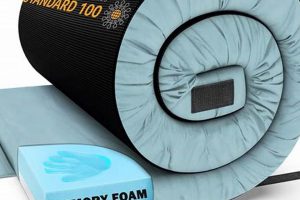
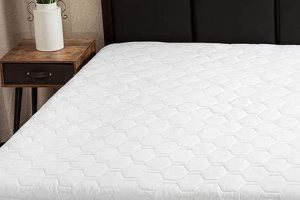
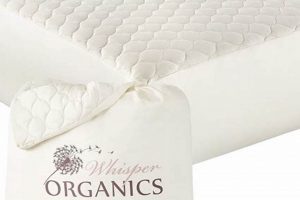
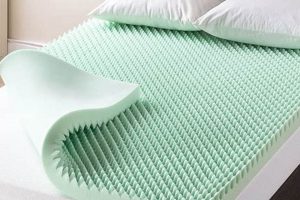
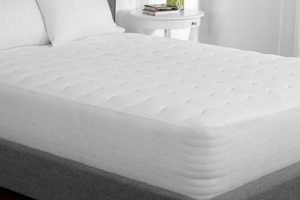
The process of laundering a mattress protector is essential for maintaining a clean and hygienic sleep environment. This routine cleaning action removes accumulated dust, allergens, and body oils, contributing to overall mattress longevity and personal well-being. Consistent execution of this task helps prevent the buildup of unwanted particles within the bedding.
Regular maintenance of bedding significantly extends the lifespan of the mattress itself, preventing staining and degradation from everyday use. Removing irritants like dust mites and pollen can alleviate allergy symptoms and promote better respiratory health during sleep. A clean sleeping surface also fosters a more restful and comfortable sleep experience.
The subsequent sections will provide detailed instructions on preparing the protector for cleaning, selecting the appropriate washing method based on material, and ensuring proper drying techniques to preserve its integrity and effectiveness. Specific attention will be given to dealing with stains and maintaining water resistance where applicable.
Washing Mattress Protectors
The following guidance aims to optimize the process of laundering a mattress protector, ensuring effective cleaning and prolonged product lifespan.
Tip 1: Always refer to the manufacturer’s care label. This label provides crucial information regarding water temperature, drying methods, and acceptable cleaning agents. Disregarding these instructions can damage the protector.
Tip 2: Pretreat any visible stains. Address stains promptly with a stain remover specifically formulated for the type of stain present. Allow the stain remover to sit for the recommended time before laundering.
Tip 3: Use a mild detergent. Harsh chemicals can degrade the fibers of the protector and compromise its protective qualities. Opt for a gentle, hypoallergenic detergent.
Tip 4: Select the appropriate wash cycle. A delicate or gentle cycle is generally recommended to minimize wear and tear. Avoid using excessive agitation or high spin speeds.
Tip 5: Ensure thorough rinsing. Detergent residue can attract dust and allergens, negating the purpose of cleaning. Run an extra rinse cycle if necessary to remove all traces of soap.
Tip 6: Dry on low heat or air dry. High heat can shrink or damage the protector, particularly those with waterproof linings. Air drying is often the safest option.
Tip 7: Inspect the protector after drying. Before placing the protector back on the mattress, ensure it is completely dry to prevent the growth of mold or mildew.
Adhering to these tips will contribute to maintaining a clean, hygienic, and long-lasting mattress protector, thereby safeguarding the mattress and promoting a healthier sleep environment.
The subsequent section will provide insights into addressing specific concerns and troubleshooting potential issues encountered during the cleaning process.
1. Preparation

In the context of laundering a mattress protector, adequate preparation directly influences the effectiveness and outcome of the entire cleaning endeavor. The correlation between meticulous preparation and a successful cleaning cycle is significant. For example, neglecting to pretreat stains prior to washing often results in their permanent setting, necessitating more aggressive cleaning methods or even rendering the protector unusable. Similarly, failure to consult the manufacturer’s care label can lead to the application of inappropriate washing techniques, potentially causing irreversible damage to the fabric or protective layers.
The process of preparation also extends to identifying the specific materials comprising the protector. Understanding whether the protector is constructed from cotton, polyester, or a blend thereof, and whether it incorporates a waterproof membrane, dictates the appropriate water temperature, detergent type, and drying method. A protector with a waterproof backing, for instance, typically requires lower heat settings during drying to prevent delamination or damage to the waterproof layer. This understanding ensures the cleaning process is tailored to the specific needs of the item, maximizing its cleanliness and lifespan.
Therefore, prioritizing thorough preparation is not merely a preliminary step, but rather an integral component of effectively laundering a mattress protector. It mitigates the risk of damage, optimizes stain removal, and ultimately contributes to maintaining a hygienic sleep environment. The absence of adequate preparation introduces unnecessary variables and increases the likelihood of suboptimal results.
2. Gentle Detergent

The selection of a suitable detergent directly influences the outcome of mattress protector laundering. The use of a harsh or abrasive cleaning agent can compromise the protector’s structural integrity and protective qualities. Conversely, a gentle detergent provides adequate cleaning power while minimizing the risk of damage. For instance, protectors with waterproof membranes are particularly susceptible to degradation from strong detergents, potentially leading to delamination or a reduction in waterproof effectiveness. Therefore, employing a cleaning agent designed for delicate fabrics is crucial for preserving the functional properties of the protector.
Real-world examples underscore the significance of detergent choice. Consider a scenario where a protector is repeatedly washed with a detergent containing optical brighteners. Over time, these brighteners can weaken fabric fibers, resulting in premature wear and tear. Alternatively, protectors washed with enzyme-based detergents may experience accelerated breakdown of certain materials, particularly natural fibers like cotton or wool. The application of a pH-neutral, fragrance-free detergent mitigates these risks, ensuring thorough cleaning without compromising material integrity. This approach is especially relevant for individuals with sensitivities or allergies, further emphasizing the practical importance of this selection.
In summary, the connection between detergent type and the overall care process is undeniable. Choosing a gentle detergent is not merely a precautionary measure; it is a deliberate decision that directly contributes to the longevity, functionality, and hygienic state of the mattress protector. This practice minimizes the potential for damage, preserves protective qualities, and ensures a cleaner and healthier sleep environment. Failure to acknowledge this connection can result in costly replacements and compromised sleep quality, highlighting the importance of informed detergent selection.
3. Delicate cycle

The selection of the appropriate wash cycle is a crucial element within the context of laundering a mattress protector. Among the various available options, the “delicate cycle” warrants specific attention due to its implications for fabric preservation and product longevity. This cycles characteristics directly impact the cleaning process and the subsequent performance of the mattress protector.
- Reduced Agitation
The delicate cycle operates with significantly less agitation compared to standard or heavy-duty cycles. This reduction in physical stress minimizes friction and potential damage to the protector’s fabric, seams, and any waterproof or laminated layers. Excessive agitation can lead to premature wear, tearing, or delamination, particularly in protectors constructed from blended materials or those incorporating specialized coatings. Utilizing the delicate cycle mitigates these risks, preserving the protector’s structural integrity and extending its lifespan.
- Lower Spin Speed
The spin cycle’s speed also contributes to the gentle nature of the delicate setting. Lower spin speeds decrease the centrifugal force exerted on the protector, preventing excessive stretching or distortion of fibers. This is particularly important for protectors with elasticized components or quilted designs, as high-speed spinning can compromise their shape and functionality. A reduced spin speed minimizes the risk of damage and ensures the protector retains its original form and fit.
- Temperature Control
While the temperature setting is often independent of the cycle selection, the delicate cycle is typically paired with cooler water temperatures. High heat can cause shrinkage, color fading, or damage to certain synthetic materials commonly used in mattress protectors. Cooler water temperatures, in conjunction with the delicate cycle, provide a gentler cleaning environment, minimizing the potential for heat-related damage and preserving the protector’s aesthetic appeal.
- Suitability for Specific Materials
The delicate cycle is particularly well-suited for protectors constructed from materials such as cotton, microfiber, or blended fabrics, as well as those with waterproof or hypoallergenic properties. These materials often require gentler handling to prevent damage or degradation. The delicate cycle provides the necessary cleaning action while minimizing the risk of compromising the material’s performance characteristics. Using this cycle helps maintain the protector’s integrity and functionality over time.
In conclusion, incorporating the delicate cycle into the laundering routine for a mattress protector is not merely a matter of convenience but a deliberate strategy for preserving its integrity and extending its lifespan. The reduced agitation, lower spin speed, and compatibility with cooler water temperatures collectively contribute to a gentler cleaning process that minimizes the risk of damage and maintains the protector’s protective qualities. This careful approach ensures that the protector continues to function effectively in safeguarding the mattress and promoting a hygienic sleep environment.
4. Low heat

The application of low heat during the drying phase of mattress protector laundering is a critical factor in maintaining the product’s integrity and longevity. Deviation from this practice can result in significant damage, compromising its protective function.
- Preservation of Waterproof Membranes
Many mattress protectors incorporate a waterproof membrane, typically composed of polyurethane or similar materials. These membranes are inherently sensitive to high heat, which can cause them to delaminate from the fabric, crack, or lose their waterproof properties. Drying on low heat minimizes this risk, preserving the membrane’s integrity and ensuring continued protection against spills and stains. Real-world examples include instances where high heat drying has resulted in the membrane peeling away from the fabric after only a few washes, rendering the protector ineffective.
- Prevention of Shrinkage and Distortion
Mattress protectors are often constructed from a blend of natural and synthetic fibers. High heat can cause these fibers to shrink unevenly, leading to distortion of the protector’s shape and fit. This shrinkage can make it difficult to properly fit the protector onto the mattress, potentially compromising its protective coverage. Drying on low heat minimizes shrinkage, ensuring the protector retains its original dimensions and continues to fit securely. This is particularly important for fitted protectors with elasticized edges.
- Protection of Elastic Components
Many fitted mattress protectors utilize elastic around the edges to ensure a snug fit. High heat can degrade elastic, causing it to lose its stretch and elasticity. This can result in a loose or ill-fitting protector, reducing its effectiveness. Drying on low heat preserves the elastic’s properties, ensuring a secure and comfortable fit over time. Examples include protectors where the elastic has become brittle and broken after repeated high-heat drying cycles.
- Minimizing Fabric Degradation
Even in the absence of waterproof membranes or elastic components, high heat can accelerate the degradation of fabric fibers. This can lead to fading, weakening of the fabric, and a reduction in the protector’s overall lifespan. Drying on low heat minimizes these effects, prolonging the protector’s usability and preserving its aesthetic appearance. The difference between protectors consistently dried on low heat versus high heat can be significant, with the former exhibiting significantly less wear and tear over time.
The consistent application of low heat during the drying process is therefore paramount in maximizing the lifespan and functionality of a mattress protector. Failure to adhere to this guideline can result in irreversible damage, compromising its protective capabilities and necessitating premature replacement. This practice ensures the protector continues to effectively safeguard the mattress and contribute to a hygienic sleep environment.
5. Complete Drying
Thorough desiccation is a non-negotiable element in the process of laundering a mattress protector. Residual moisture introduces a host of potential problems, negating the benefits of cleaning and jeopardizing both the protector and the underlying mattress. The linkage between the laundering process and complete drying is inextricable; one cannot achieve optimal results without meticulous attention to the other.
- Prevention of Microbial Growth
Residual dampness creates an ideal environment for the proliferation of mold, mildew, and bacteria. These microorganisms thrive in moist, dark conditions and can rapidly colonize within the fabric and fill of the protector. This microbial growth not only leads to unpleasant odors but also poses potential health risks, particularly for individuals with allergies or respiratory sensitivities. Complete drying eliminates this favorable environment, inhibiting microbial growth and maintaining a hygienic sleep surface. Instances where incomplete drying has led to visible mold growth demonstrate the importance of this step.
- Maintenance of Waterproof Integrity
Many mattress pr
otectors incorporate a waterproof membrane to shield the mattress from spills and stains. However, trapped moisture can compromise the integrity of this membrane over time. Prolonged dampness can weaken the adhesive bonds between the membrane and the fabric layers, leading to delamination and a reduction in waterproof effectiveness. Complete drying ensures the membrane remains intact and continues to provide reliable protection. Improper drying can lead to premature membrane failure, necessitating protector replacement. - Preservation of Fabric Structure
Residual moisture can also affect the structure of the fabric itself. Damp fibers are more susceptible to stretching, distortion, and damage. This is particularly relevant for protectors constructed from blended materials or those with quilted designs. Complete drying ensures the fibers regain their original shape and strength, preserving the protector’s overall structure and extending its lifespan. Real-world observations highlight cases where incomplete drying has resulted in fabric warping and a loss of shape.
- Prevention of Odor Retention
Even after laundering with detergent, residual odors can linger in a damp mattress protector. These odors may be caused by trapped sweat, body oils, or lingering traces of cleaning agents. Complete drying allows these volatile compounds to evaporate fully, leaving the protector fresh and odor-free. Failure to dry the protector thoroughly can result in a musty or stale smell, diminishing the overall cleanliness and comfort of the sleep environment.
The components outlined above collectively underscore the vital role of complete drying in the lifecycle of a mattress protector. Adequate drying not only mitigates the risks of microbial growth, membrane degradation, fabric distortion, and odor retention, but also ensures that the protector performs its intended function effectively, safeguarding the mattress and promoting a healthier sleep environment. Its execution is as critical as the washing phase.
Frequently Asked Questions
This section addresses common inquiries regarding the proper procedure for cleaning mattress protectors, aiming to clarify best practices and dispel potential misconceptions.
Question 1: Can all mattress protectors be machine washed?
While most modern mattress protectors are designed for machine washing, it is essential to consult the manufacturer’s care label. Specific materials or constructions may necessitate hand washing or professional cleaning to prevent damage.
Question 2: What water temperature is optimal for laundering a mattress protector?
Cool to lukewarm water is generally recommended. High temperatures can cause shrinkage, color fading, or damage to waterproof membranes. The care label should provide specific guidance.
Question 3: How frequently should a mattress protector be washed?
A mattress protector should be laundered every one to two months, or more frequently if spills or accidents occur. Regular cleaning helps maintain hygiene and prevent the buildup of allergens.
Question 4: Is it necessary to use a special detergent for mattress protectors?
A mild, hypoallergenic detergent is generally sufficient. Harsh chemicals or bleach should be avoided, as they can damage the fabric and compromise protective qualities.
Question 5: What is the best way to dry a mattress protector?
Low heat or air drying is preferred. High heat can shrink the fabric, damage waterproof membranes, and degrade elastic components. Complete drying is essential to prevent mold and mildew growth.
Question 6: How can stains be effectively removed from a mattress protector?
Pretreating stains with a stain remover specifically formulated for the type of stain present is recommended. Follow the stain remover’s instructions carefully before laundering the protector.
These FAQs provide guidance for maintaining a clean and hygienic mattress protector. Following these recommendations will contribute to its longevity and effectiveness.
The subsequent section will address troubleshooting common issues encountered during the washing process.
Conclusion
The preceding discussion has comprehensively addressed how to wash mattress pad, detailing the critical steps from preparation and cleaning agent selection to appropriate drying methods. The consistent application of these guidelines is paramount to maintaining the integrity and functionality of the mattress protector, ensuring both hygienic sleep conditions and prolonged mattress lifespan.
Adherence to the outlined procedures is not merely a matter of routine; it represents a proactive approach to protecting a significant investment and fostering a healthier sleep environment. Consistent implementation of these recommendations will yield tangible benefits in terms of hygiene, comfort, and the overall longevity of both the protector and the mattress it safeguards.