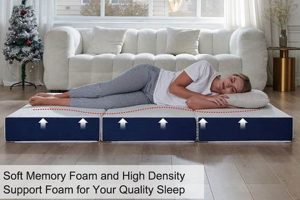
A sleep surface modification system employs circulating chilled or heated liquid to regulate the temperature of a mattress. This apparatus generally consists of a pad placed atop the mattress, a control unit to manage the liquid’s temperature, and connecting tubes to facilitate fluid movement. The core function of this system is to promote a more comfortable sleep environment by mitigating overheating or excessive cooling.
Temperature regulation during sleep is crucial for maintaining optimal sleep quality. Deviations from ideal thermal conditions can lead to restlessness, fragmented sleep patterns, and a decrease in overall sleep efficiency. By actively managing surface temperature, such systems can potentially improve sleep onset latency, reduce nighttime awakenings, and enhance the subjective experience of restful sleep. Historically, individuals have employed various methods to address sleep-related temperature discomfort, ranging from natural materials like cotton to more sophisticated technologies.
The following discussion will delve into the operational mechanics, potential advantages, limitations, and ideal user profiles associated with this sleep technology. Furthermore, we will explore different design variations, maintenance considerations, and relevant safety precautions.
Optimizing the Performance of a Temperature-Regulated Sleep Surface
To maximize the efficacy and longevity of temperature-regulated sleep systems, consider the following guidelines.
Tip 1: System Placement and Ventilation: Ensure the control unit is positioned on a level surface with adequate ventilation. Restricted airflow can impede heat dissipation, potentially affecting performance and lifespan.
Tip 2: Water Quality Maintenance: Utilize distilled or demineralized water within the control unit’s reservoir. Tap water can introduce mineral deposits that compromise system efficiency and may lead to internal corrosion.
Tip 3: Regular Cleaning Protocols: Periodically clean the surface of the mattress pad with a damp cloth and mild detergent. Avoid abrasive cleaners or excessive moisture, which could damage internal components.
Tip 4: Tube Integrity Inspection: Routinely inspect the connecting tubes for kinks, crimps, or leaks. Damaged tubing can disrupt fluid circulation and impair temperature regulation.
Tip 5: Mattress Compatibility Assessment: Consider the mattress type when utilizing a temperature-regulated system. Thicker mattresses may impede heat transfer, requiring higher system settings to achieve the desired temperature.
Tip 6: User-Specific Temperature Adjustments: Experiment with different temperature settings to determine the optimal level of thermal comfort. Individual preferences and ambient room temperature will influence the ideal setting.
Tip 7: Adherence to Manufacturer Guidelines: Always consult the manufacturer’s instructions for specific maintenance recommendations and troubleshooting procedures. Deviation from these guidelines may void warranties.
Implementing these strategies can significantly enhance the performance and lifespan of temperature-regulated sleep systems, contributing to a more comfortable and restful sleep experience.
The following section will address frequently asked questions regarding the use and maintenance of these specialized sleep products.
1. Temperature Regulation Efficacy

Temperature regulation efficacy, in the context of sleep systems, refers to the ability of a device to precisely control and maintain a user-defined surface temperature. In the instance of a chilled water mattress pad, this efficacy is paramount to its functional value. Poor temperature regulation manifests as inconsistent cooling, either failing to reach the desired temperature or fluctuating erratically. This undermines the primary benefit of such systemsthe alleviation of thermal discomfort during sleep. For example, if a system advertises a temperature range of 60-90 degrees Fahrenheit but consistently operates outside this range, or exhibits significant temperature variations, its efficacy is compromised, potentially leading to sleep disruption. This characteristic distinguishes this technology from standard mattress toppers.
The link between temperature regulation efficacy and user satisfaction is direct. Studies indicate that a cooler sleep environment can facilitate faster sleep onset and reduce nighttime awakenings. Consequently, a device that reliably achieves and maintains a lower surface temperature is more likely to yield these positive outcomes. Conversely, unreliable temperature regulation may exacerbate existing sleep disturbances. This can occur if the systems sensors or control mechanisms are poorly calibrated, or if there are inconsistencies in the fluid circulation within the pad. The ability to maintain the temperature is linked to the material used within the water cooling mattress pad, if the material have poor property of thermal it makes the system useless
In summary, temperature regulation efficacy represents a critical performance metric for such systems. Its impact on sleep quality underscores its significance in evaluating the overall value and suitability of a particular device. Deficiencies in this aspect render the system less effective in achieving its intended purpose, highlighting the importance of robust engineering and quality control in the design and manufacture of these devices. The effectiveness of a water cooling mattress pad hinges critically on temperature regulation efficacy.
2. System Component Reliability

System component reliability is a critical factor determining the overall performance and longevity of a water cooling mattress pad. The device’s functionality depends on the dependable operation of several key components, including the control unit, pump, tubing, and the mattress pad itself. Failure in any of these areas can disrupt the system’s ability to regulate temperature, leading to user dissatisfaction and premature product failure. For instance, a pump malfunction can halt water circulation, preventing cooling or heating. Similarly, a leak in the tubing or mattress pad compromises the system’s integrity, potentially causing water damage and rendering the product unusable.
The reliability of these components is directly correlated with the quality of materials and manufacturing processes employed. Lower-quality materials are more susceptible to wear and tear, increasing the likelihood of component failure over time. Consider the case of a water cooling mattress pad utilizing substandard tubing. Exposure to constant water circulation and temperature fluctuations could cause the tubing to become brittle and crack, leading to leaks. A more reliable system incorporates durable, high-grade tubing designed to withstand these stresses. The same princip
le applies to the pump, control unit, and mattress pad material. Quality control during manufacturing is also paramount to ensure that components are assembled correctly and function as intended.
In conclusion, the reliability of system components is not merely a desirable attribute but a fundamental requirement for a water cooling mattress pad to provide effective and lasting temperature regulation. Investing in systems with robust components and rigorous quality control procedures is essential to ensure user satisfaction, minimize maintenance costs, and extend the product’s lifespan. A focus on component reliability contributes directly to the overall value and perceived quality of water cooling mattress pads.
3. Operational Energy Consumption

Operational energy consumption represents a significant consideration in the evaluation of water cooling mattress pads. This refers to the electrical energy required to power the system’s components, primarily the control unit and the circulating pump, over a period of use. High energy consumption translates directly into increased operating costs for the consumer and a larger environmental footprint. For example, a system that consumes 100 watts continuously will accrue a substantial energy bill over the course of a year, compared to a more efficient system that consumes only 20 watts. This difference becomes a salient factor for individuals concerned with both their finances and environmental impact. The energy requirements are influenced by design considerations, such as the cooling capacity, pump efficiency, and insulation of the mattress pad itself. Inadequate insulation forces the system to work harder to maintain the desired temperature, resulting in higher energy consumption.
Furthermore, operational energy consumption is often directly related to the performance and effectiveness of the water cooling mattress pad. Systems that employ more powerful pumps or advanced cooling technologies may exhibit higher energy demands but potentially offer superior temperature regulation and responsiveness. The choice, therefore, involves a trade-off between energy efficiency and performance characteristics. Manufacturers are increasingly focusing on developing energy-efficient designs, utilizing components that minimize energy waste while maintaining optimal cooling capacity. Some models incorporate features such as automatic shut-off timers or variable speed pumps that adjust energy consumption based on ambient temperature and user settings. These features contribute to reduced energy costs and a more sustainable product.
In summary, the operational energy consumption of water cooling mattress pads is a multifaceted issue with direct implications for cost, environmental impact, and system performance. While energy efficiency is desirable, it should not come at the expense of effective temperature regulation and user comfort. The ideal system strikes a balance between these factors, providing adequate cooling while minimizing energy waste through optimized design and intelligent features. Prospective buyers should carefully consider the energy consumption specifications of different models and factor this into their purchasing decision. The impact of energy consumption, although indirect, influences both the user and the environment during the life cycle of the product.
4. Material Safety Standards

Material safety standards are paramount in the manufacturing of water cooling mattress pads due to direct and prolonged contact with the human body. Compliance with these standards ensures user health and well-being by limiting exposure to potentially harmful substances. The materials used in the pad, tubing, and control unit must undergo rigorous testing to meet established safety benchmarks. The lack of adherence to these standards introduces unacceptable health risks.
- Biocompatibility of Mattress Pad Materials
The mattress pad material, which comes into direct contact with the skin, must be biocompatible. This means it should not cause allergic reactions, skin irritation, or other adverse health effects. Standards such as OEKO-TEX Standard 100 certify that textiles are free from harmful levels of over 100 substances known to be dangerous to human health. Using non-biocompatible materials can lead to skin rashes, respiratory problems, or even long-term health issues. For instance, certain dyes or flame retardants, if not carefully regulated, can leach out of the material and be absorbed by the skin.
- Water Quality and Tubing Material Safety
The tubing that circulates water throughout the mattress pad must be made from materials that do not leach harmful chemicals into the water. Standards such as NSF/ANSI 61 ensure that materials used in contact with drinking water are safe and do not contaminate the water supply. If the tubing material is not properly selected, it can release chemicals like phthalates or BPA into the water, which can then be absorbed through the skin or ingested if the water accidentally leaks. Long-term exposure to these chemicals is linked to various health problems, including endocrine disruption.
- Electrical Safety of the Control Unit
The control unit, which houses the pump and temperature regulation mechanisms, must meet stringent electrical safety standards to prevent electric shock and fire hazards. Standards such as UL (Underwriters Laboratories) certification demonstrate that the device has been tested and meets established safety requirements for electrical appliances. Defective wiring, poor insulation, or the use of substandard components can lead to electrical malfunctions, potentially causing serious injury or property damage. Proper grounding and circuit protection are essential safety features.
- Restriction of Hazardous Substances (RoHS) Compliance
RoHS compliance restricts the use of specific hazardous materials found in electrical and electronic products. This includes substances such as lead, mercury, cadmium, hexavalent chromium, polybrominated biphenyls (PBB), and polybrominated diphenyl ethers (PBDE). RoHS aims to reduce the environmental impact of electronic waste and minimize the risk of exposure to these hazardous materials during manufacturing, use, and disposal. Failure to comply with RoHS can result in environmental contamination and potential health risks to workers and consumers.
The adherence to material safety standards throughout the manufacturing process of water cooling mattress pads is not simply a regulatory obligation, but a fundamental aspect of ensuring product safety and consumer well-being. Neglecting these standards introduces a spectrum of health risks and compromises the overall integrity of the product.
5. Cleaning and Maintenance
Proper cleaning and maintenance are integral to the longevity and performance of a water cooling mattress pad. Regular attention to these aspects not only ensures optimal function but also contributes to a hygienic sleep environment, mitigating potential health risks associated with prolonged use.
- Mattress Pad Surface Cleaning
The surface of the mattr
ess pad is susceptible to the accumulation of dust, sweat, and other contaminants. Routine cleaning with a damp cloth and mild detergent is essential to prevent the growth of mold, mildew, and bacteria. Neglecting this aspect can lead to unpleasant odors, skin irritation, and compromised cooling efficiency. Specific cleaning instructions provided by the manufacturer should be followed to avoid damage to the internal components. - Water Reservoir Maintenance
The water reservoir within the control unit requires periodic maintenance to prevent the buildup of mineral deposits and microbial growth. Draining, cleaning, and refilling the reservoir with distilled or demineralized water is recommended. Tap water contains minerals that can accumulate over time, reducing the system’s efficiency and potentially damaging internal components. Regular water replacement also minimizes the risk of bacterial contamination, ensuring a cleaner and healthier sleep surface.
- Tubing Inspection and Cleaning
The tubing connecting the control unit to the mattress pad should be regularly inspected for kinks, cracks, or leaks. Damaged tubing can impede water flow and compromise the system’s cooling performance. Additionally, flushing the tubing with a mild cleaning solution can help remove any accumulated debris or biofilm. Ensuring unobstructed water flow is critical for maintaining optimal cooling efficiency and preventing system malfunctions.
- Control Unit Ventilation and Dust Removal
The control unit requires adequate ventilation to dissipate heat generated during operation. Dust accumulation on the unit’s vents can impede airflow, leading to overheating and reduced performance. Periodically cleaning the vents with a vacuum cleaner or soft brush is recommended to ensure proper ventilation. This preventative measure helps maintain the unit’s operating efficiency and extends its lifespan.
Consistent application of these cleaning and maintenance practices directly influences the performance, hygiene, and durability of a water cooling mattress pad. Neglecting these aspects can result in reduced cooling efficiency, potential health hazards, and premature system failure. Therefore, adherence to recommended cleaning and maintenance schedules is crucial for maximizing the benefits and extending the life of the product.
Frequently Asked Questions About Water Cooling Mattress Pads
This section addresses common inquiries regarding the functionality, operation, and maintenance of water cooling mattress pads, providing objective and informative answers.
Question 1: What is the typical lifespan of a water cooling mattress pad?
The lifespan varies depending on several factors, including the quality of materials, manufacturing processes, and adherence to recommended maintenance practices. Generally, a well-maintained unit can last from three to five years. However, component failures or neglect can significantly shorten this timeframe.
Question 2: Is it possible to use a water cooling mattress pad with any type of mattress?
While generally compatible with most mattress types, certain thicker mattresses may impede heat transfer, potentially reducing the system’s effectiveness. Assessing the mattress’s thermal conductivity is advisable before use.
Question 3: What type of water is recommended for use in a water cooling mattress pad?
Distilled or demineralized water is strongly recommended. Tap water contains minerals that can accumulate within the system, leading to reduced efficiency and potential damage to internal components.
Question 4: What are the primary safety concerns associated with water cooling mattress pads?
Electrical safety and the potential for water leaks are primary concerns. Ensuring the unit is properly grounded, avoiding overloading electrical circuits, and regularly inspecting for leaks are essential safety precautions.
Question 5: How frequently should the water in a water cooling mattress pad be changed?
The water should be changed every one to three months, depending on usage and water quality. Regular water changes help prevent the buildup of mineral deposits and microbial growth within the system.
Question 6: Can a water cooling mattress pad be used for both cooling and heating purposes?
Many models offer both cooling and heating capabilities, allowing for temperature regulation throughout the year. However, the specific temperature range and effectiveness of each function may vary depending on the model.
In summary, water cooling mattress pads offer a potential solution for thermal regulation during sleep, but understanding their limitations, maintenance requirements, and safety considerations is essential for informed decision-making.
The following section will explore alternative temperature regulation strategies for sleep.
Conclusion
This exploration has presented a comprehensive overview of water cooling mattress pads, encompassing their operational principles, advantages, limitations, maintenance requirements, and safety considerations. Critical factors, such as temperature regulation efficacy, system component reliability, operational energy consumption, and adherence to material safety standards, were examined to provide a holistic understanding of these systems.
Ultimately, the decision to integrate a water cooling mattress pad into one’s sleep environment should be based on a careful evaluation of individual needs, preferences, and financial considerations. While these devices offer a potential solution for thermal discomfort during sleep, their effectiveness hinges on proper use, regular maintenance, and a thorough understanding of their inherent limitations. Continued research and technological advancements may further refine these systems, potentially enhancing their performance and affordability in the future.
![Best Kohl's Mattress Pads: Protect & Comfort [Year] | Organic & Natural Mattress Buyer’s Guide: Non-Toxic Sleep Solutions](https://mattressworldpa.com/wp-content/uploads/2025/07/th-4884-300x200.jpg "Best Kohl's Mattress Pads: Protect & Comfort [Year] Organic & Natural Mattress Buyer’s Guide: Non-Toxic Sleep Solutions")