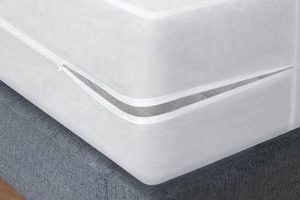
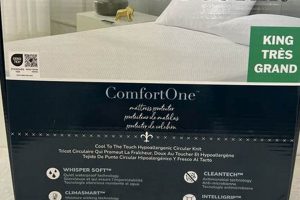
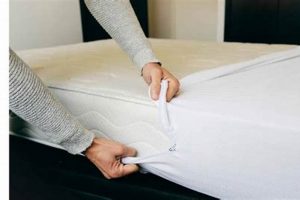
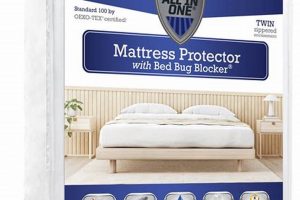
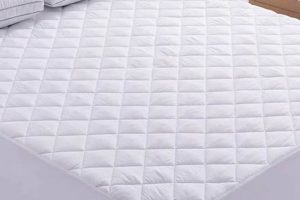
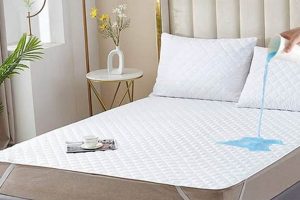
A fitted covering designed to shield an infant’s sleeping surface from spills, accidents, and allergens. These products typically consist of a waterproof or water-resistant membrane bonded to a soft fabric layer, creating a barrier that protects the underlying mattress. They are essential for maintaining a sanitary and hygienic sleep environment for the baby.
The use of these items contributes significantly to extending the lifespan of the infant’s mattress by preventing liquid penetration and the subsequent development of mold or bacteria. This provides a cleaner sleep surface and safeguards the babys health. Historically, parents used makeshift solutions like blankets or cloths to protect mattresses, but modern versions offer superior protection, ease of use, and comfort.
The following sections will address the specific types available, materials used in their construction, safety standards they should meet, and proper care instructions for optimal longevity and effectiveness.
Cradle Mattress Protector
Ensuring the longevity and effectiveness of your infant’s sleeping surface requires careful attention to maintenance. These guidelines offer practical advice for maximizing its protective capabilities.
Tip 1: Select the Correct Size: Prior to purchase, verify that the dimensions of the covering precisely match the dimensions of the cradle mattress. An ill-fitting cover may bunch, wrinkle, or fail to provide adequate protection.
Tip 2: Prioritize Waterproofing: Opt for a fully waterproof material. Water-resistant options may not offer sufficient protection against spills and accidents, leading to potential mattress damage.
Tip 3: Read Washing Instructions Carefully: Different materials require specific cleaning methods. Adherence to the manufacturer’s recommendations will prevent shrinkage, warping, or delamination of the protective layer.
Tip 4: Wash Regularly: Frequent washing is crucial for removing allergens and maintaining a hygienic sleep environment. A schedule of at least every two weeks, or more frequently if spills occur, is advisable.
Tip 5: Air Dry When Possible: While some can be tumble dried on a low setting, air drying can extend their lifespan and prevent damage to the waterproof membrane. Ensure the covering is fully dry before replacing it on the mattress.
Tip 6: Inspect Regularly for Wear and Tear: Routinely examine the covering for any signs of damage, such as tears, cracks, or separation of the layers. Replace the item immediately if any compromise to the protective barrier is detected.
Consistent application of these practices will promote a cleaner, safer sleeping surface for the infant and prolong the usability of the cradle mattress.
Next, the article will address safety standards and certifications to look for when selecting this essential item.
1. Waterproof barrier
The incorporation of a waterproof barrier is a fundamental design feature of a reliable infant cradle mattress covering. The primary effect of this barrier is to prevent liquids, such as spills, urine, or spit-up, from penetrating the mattress core. Without this protection, the mattress can become a breeding ground for mold, mildew, and bacteria, potentially causing respiratory problems or skin irritations for the infant. Consider a scenario where a bottle leaks during feeding; if the mattress lacked a waterproof layer, the liquid would seep into the mattress, creating an unsanitary environment within hours. The presence of this feature directly influences the hygiene and longevity of the mattress.
The material composition of this barrier is critical. Polyurethane laminate (PUL) and thermoplastic polyurethane (TPU) are commonly used due to their effective waterproofing capabilities and flexibility. Lower-quality materials may crack or delaminate over time, compromising the protective layer. For example, using a PVC-based waterproof layer, while initially cost-effective, can lead to the release of harmful volatile organic compounds (VOCs), potentially impacting the infant’s health. Selecting a protector with certifications from reputable organizations, such as Oeko-Tex, ensures the absence of harmful substances in the waterproof material.
In summary, the waterproof barrier within an infant cradle mattress covering is essential for safeguarding hygiene and prolonging mattress life. Choosing products with certified, high-quality waterproof materials mitigates health risks and ensures lasting protection. The absence of a robust waterproof layer undermines the core function of the covering, exposing the infant to potential health hazards and reducing the overall lifespan of the mattress.
2. Fitted design
The term “fitted design,” when applied to products intended for an infant’s sleeping surface, denotes a configuration engineered for precise adherence to the dimensions of the designated mattress. In the context of this article, “fitted design” refers to how a protective covering should conform to the size and shape of a bassinet mattress, a small mattress typically used in a bassinet or cradle.
- Secure Encasement
A fitted design ensures the covering fully encases the mattress, preventing exposure to potential contaminants. A loose covering may shift during the infant’s movements, leaving portions of the mattress vulnerable to spills or allergens. A snug fit is imperative to maintain a consistent protective barrier across the entire sleeping surface.
- Reduced Suffocation Risk
Excess material in a loosely fitted covering can present a suffocation hazard. A tightly fitted design minimizes excess fabric, thereby reducing the risk of entanglement or obstruction of the infant’s airway. This is a crucial safety consideration in the design and selection of products for infant sleep environments.
- Ease of Maintenance
A well-fitted covering simplifies the process of removal and reapplication during cleaning. The snug fit prevents bunching or wrinkling, facilitating efficient laundering and ensuring the protector can be easily returned to its intended position without compromising its protective function.
- Enhanced Mattress Longevity
The prevention of movement afforded by a fitted design minimizes friction between the covering and the mattress. This reduced friction mitigates wear and tear on both the covering and the mattress itself, contributing to an extended lifespan for both components. Frequent shifting or abrasion can degrade the mattress material and compromise the integrity of the covering.
The benefits of a fitted design directly contribute to the safety, hygiene, and durability of the protector. The precise fit minimizes safety risks, streamlines maintenance, and preserves the integrity of the underlying mattress, highlighting the importance of selecting a properly sized and well-constructed product.
3. Hypoallergenic materials

The selection of materials designated as “hypoallergenic” is a critical consideration in the manufacture of coverings for infant cradle mattresses. These materials are specifically chosen to minimize the likelihood of allergic reactions in sensitive individuals, particularly infants, who are more susceptible to environmental irritants.
- Reduced Allergen Load
Hypoallergenic materials inherently possess a lower propensity to harbor or release common allergens such as dust mites, pet dander, and mold spores. This reduced allergen load creates a safer sleep environment for infants with allergies or sensitivities, minimizing the risk of respiratory distress or skin irritation. For instance, tightly woven fabrics prevent dust mite penetration, offering a significant advantage over loosely woven alternatives.
- Chemical Composition
The chemical composition of hypoallergenic materials is deliberately formulated to exclude known irritants and sensitizers. This includes the avoidance of harsh dyes, formaldehyde, and other chemicals that can trigger allergic reactions. Materials such as organic cotton and bamboo are often preferred due to their natural properties and minimal chemical processing. Certification standards, such as OEKO-TEX, provide assurance that the materials have been tested and found to be free of harmful substances.
- Breathability and Moisture Management
Hypoallergenic materials often exhibit enhanced breathability and moisture-wicking properties, further reducing the risk of allergen accumulation. A breathable fabric promotes air circulation, preventing the build-up of moisture that can foster mold growth. Effective moisture management also minimizes skin irritation, which can be exacerbated by damp or humid conditions. For example, a covering made from breathable hypoallergenic fabric can reduce the risk of diaper rash by keeping the infant’s skin dry and comfortable.
- Easy Maintenance
The ability to easily clean and sanitize hypoallergenic materials is crucial for maintaining a healthy sleep environment. Materials that can withstand frequent washing at high temperatures are preferred, as this helps to eliminate allergens and prevent their build-up over time. Regular laundering of the covering, following the manufacturer’s instructions, is essential for maintaining its hypoallergenic properties.
In summary, the integration of hypoallergenic materials in cradle mattress coverings is essential for creating a safe and healthy sleep environment for infants. By minimizing allergen exposure, excluding harmful chemicals, promoting breathability, and facilitating easy maintenance, these materials contribute significantly to the overall well-being of the infant, and enhance the functional value of the mattress covering.
4. Breathability
Breathability is a critical attribute in a cradle mattress protector, directly influencing an infant’s safety and comfort. A protector with adequate breathability allows for air circulation, which helps regulate the infant’s body temperature. Insufficient airflow can lead to overheating, a known risk factor for Sudden Infant Death Syndrome (SIDS). For example, a protector made with non-breathable materials, such as vinyl, can trap heat and moisture, creating an environment conducive to hyperthermia. The importance of breathability, therefore, extends beyond mere comfort, impacting a vital aspect of infant health and safety. Protectors constructed from breathable materials facilitate the dissipation of heat and moisture, maintaining a more stable and comfortable sleep environment.
The practical application of breathability in a protector is realized through the selection of appropriate materials. Natural fibers, such as cotton and bamboo, are known for their breathability. Certain synthetic materials, like those with a specialized open-cell structure, can also offer adequate airflow. However, it is imperative to verify breathability claims through independent testing and certifications, as marketing terminology may not always accurately reflect performance. For instance, some protectors may claim breathability but lack the actual air permeability necessary to prevent overheating. Thus, examining third-party certifications, such as those from Oeko-Tex or CertiPUR-US, provides a more reliable assessment of breathability characteristics.
In conclusion, breathability is not merely a desirable feature but a fundamental requirement for a safe and effective cradle mattress protector. Its primary role in temperature regulation significantly reduces the risk of overheating, contributing directly to infant well-being. A comprehensive understanding of material properties, coupled with scrutiny of independent certifications, is essential for selecting a protector that prioritizes breathability and mitigates potential hazards. The challenges lie in discerning genuine breathability from misleading marketing claims and ensuring that the chosen protector effectively balances waterproof protection with adequate airflow.
5. Washability

Washability represents a critical performance parameter for items designed to protect infant sleeping surfaces. The intimate and prolonged contact between the infant and the mattress covering necessitates frequent removal of accumulated contaminants. Body fluids, spilled formula, and environmental allergens commonly deposit on the surface of the material, fostering bacterial growth and potential health hazards. A covering that resists repeated laundering renders itself ineffective, and potentially detrimental, over time.
The selection of materials dictates the capacity for repeated cleaning cycles. Fabrics that shrink, degrade, or lose their protective qualities when exposed to water and detergent represent unsuitable choices. Polyurethane laminates, often employed for their waterproof qualities, must retain their lamination integrity after numerous washings to continue functioning as a barrier. In contrast, a cotton fabric protector, while breathable, may prove inadequate if its waterproof backing delaminates after a single laundering, thus compromising its protective functionality. Therefore, the construction methods and the characteristics of the constituent components determine long-term utility.
In conclusion, Washability is an indispensable attribute in maintaining a hygienic sleeping environment for infants. A covering that balances protective qualities with the ability to withstand repeated laundering cycles contributes directly to mitigating health risks and prolonging the lifespan of the underlying mattress. The practical significance of this understanding lies in informing product selection, ensuring that families prioritize coverings demonstrating durability and ease of cleaning above superficial features.
Frequently Asked Questions About Mattress Protection for Infant Sleep Surfaces
The following addresses common inquiries regarding the utilization and selection of coverings designed to protect infant cradle mattresses, offering factual insights to promote informed decision-making.
Question 1: What constitutes an adequate barrier against fluids?
A covering deemed adequate must possess a non-permeable layer, typically constructed from polyurethane or similar materials, that effectively prevents the passage of liquids into the mattress core. Water-resistant treatments alone are insufficient.
Question 2: How frequently should the infant sleep surface covering be laundered?
The covering should be laundered at a minimum of every two weeks, or more frequently in instances of soiling. Adherence to the manufacturer’s recommended washing procedures is critical to preserve material integrity.
Question 3: Are all coverings marketed as ‘hypoallergenic’ inherently safe for infants with sensitivities?
The term ‘hypoallergenic’ is not uniformly regulated. It is advisable to seek products certified by recognized entities such as OEKO-TEX, ensuring the absence of harmful substances.
Question 4: What are the potential consequences of using a covering that does not precisely fit the cradle mattress?
An ill-fitting covering presents a safety hazard due to potential bunching or displacement, increasing the risk of suffocation. It also diminishes the efficacy of liquid protection.
Question 5: Can the employment of a covering eliminate the need for regular mattress cleaning?
While a covering provides a protective barrier, periodic mattress cleaning remains necessary to address potential allergen accumulation within the mattress itself. Refer to the mattress manufacturer’s guidelines for appropriate cleaning methods.
Question 6: What are the indicators that a covering requires replacement?
Visible signs of wear, such as tears, delamination, or compromised waterproofing, necessitate immediate replacement to maintain an adequate level of protection.
In summary, informed selection and diligent maintenance are crucial for ensuring these coverings effectively safeguard the infant’s sleeping environment, mitigating potential health risks and prolonging mattress lifespan.
Next, the article will outline best practices for integrating this item into a comprehensive infant care regimen.
Concluding Considerations for Cradle Mattress Protection
This examination has underscored the essential role of a cradle mattress protector in maintaining a hygienic and safe sleep environment for infants. The characteristics of waterproofing, fitted design, hypoallergenic materials, breathability, and washability are paramount in selecting a product that effectively safeguards against potential hazards. Compromised protection, stemming from inadequate materials or improper maintenance, can directly impact the infant’s well-being.
Therefore, meticulous attention must be given to the selection, use, and care of a cradle mattress protector. A proactive approach to ensuring a clean and secure sleep surface is not merely a matter of convenience but a fundamental responsibility in fostering infant health and safety. Continued vigilance and adherence to established guidelines will contribute to a secure and beneficial environment for the developing infant.