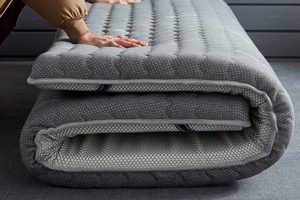
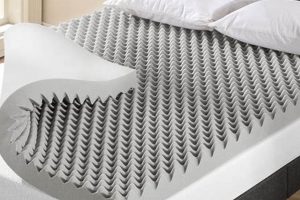
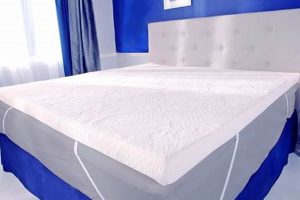
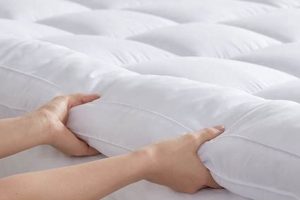
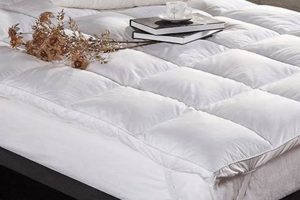
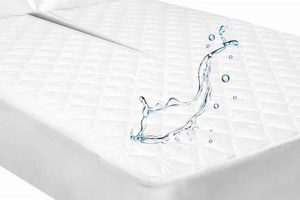
This bedding accessory, designed to enhance sleep surfaces, provides an additional layer of comfort and support. Typically placed atop a conventional mattress, it alters the feel and properties of the underlying sleep surface. It serves as a means to improve sleep quality and extend the lifespan of the mattress it covers.
The product is often chosen for its ability to relieve pressure points, improve spinal alignment, and regulate temperature during sleep. Historical context reveals a gradual evolution of bedding materials aimed at maximizing comfort. Today’s iterations utilize advanced materials and construction techniques to provide customized sleep experiences. Benefits include potentially reduced back pain, improved sleep quality, and a more comfortable sleeping environment.
The following sections will examine the specific materials utilized in its construction, the design features that contribute to its effectiveness, and the factors to consider when selecting the appropriate model. A detailed analysis of user experiences and comparative reviews will further inform the reader.
Maximizing the Benefits of a Mattress Topper
This section provides guidance on selecting, using, and maintaining a mattress topper to optimize its performance and longevity. Careful consideration of these points can ensure a more comfortable and restful sleep experience.
Tip 1: Evaluate Mattress Condition: Prior to purchasing, assess the condition of the existing mattress. A topper primarily enhances comfort and support but cannot fully compensate for a severely damaged or structurally unsound mattress. Consider replacement if the underlying mattress is significantly worn.
Tip 2: Consider Sleeping Position: Different sleeping positions require varying levels of support. Side sleepers may benefit from a softer topper that conforms to the body’s curves, while back and stomach sleepers may prefer a firmer option that provides spinal alignment.
Tip 3: Assess Material Composition: The material composition directly impacts comfort, temperature regulation, and durability. Memory foam offers pressure relief and conforms to the body, while latex provides a more responsive and breathable surface. Consider personal preferences and sensitivities when choosing a material.
Tip 4: Utilize Proper Bedding: To maintain the toppers cleanliness and integrity, employ appropriate bedding. A mattress protector will shield against spills and stains, while breathable sheets will facilitate airflow and temperature regulation.
Tip 5: Follow Cleaning Instructions: Adhere to the manufacturer’s recommended cleaning instructions. Spot cleaning is often suitable for minor stains, while professional cleaning may be necessary for more extensive soiling. Avoid harsh chemicals that could damage the topper’s materials.
Tip 6: Rotate Regularly: To ensure even wear and extend its lifespan, rotate the topper periodically. This practice helps prevent localized compression and maintains consistent support across the entire surface.
Adhering to these tips can contribute to a more comfortable and supportive sleep environment. The correct selection, proper utilization, and consistent maintenance can significantly enhance the lifespan and benefits of the sleep surface enhancement.
The subsequent sections will explore different topper options, delve into user experiences, and provide comparative analyses to aid in informed decision-making.
1. Supportive Surface
The provision of a supportive surface is a foundational attribute of any effective mattress topper. This quality directly influences spinal alignment, pressure distribution, and overall sleep comfort. The subsequent details elaborate on key aspects of this functionality in relation to such products.
- Core Density and Composition
The density and composition of the topper’s core material dictate its capacity to provide support. Higher-density materials, such as memory foam or latex, offer greater resistance to compression, thereby maintaining a more level sleeping surface. The specific composition also contributes, with variations affecting firmness and responsiveness. Inadequate core density leads to sagging and compromised support, negatively impacting spinal alignment.
- Zoned Support Systems
Certain models incorporate zoned support systems, wherein specific areas of the topper are designed with varying levels of firmness. This targeted approach caters to different body regions, providing enhanced support to heavier areas like the hips and shoulders while offering more cushioning to lighter areas. The absence of zoned support can result in uneven pressure distribution, leading to discomfort and potential pain.
- Edge Support Integrity
Edge support refers to the reinforcement along the perimeter. Robust edge support prevents the edges from collapsing under weight, expanding the usable sleeping surface and facilitating easier ingress and egress from the bed. Compromised edge support reduces the accessible area and increases the risk of rolling off the bed.
- Weight Distribution Capacity
A quality topper effectively distributes weight across its surface, preventing localized pressure points. This even distribution minimizes stress on joints and promotes improved circulation. Insufficient weight distribution concentrates pressure, causing discomfort and potentially disrupting sleep.
The facets outlined above collectively determine the efficacy of the supportive surface. Each aspect contributes to the ability to maintain spinal alignment, distribute pressure evenly, and ultimately enhance sleep quality. Proper understanding of these components is crucial for making informed purchase decisions and optimizing the sleep experience.
2. Conforming Comfort

Conforming comfort, a significant characteristic of a mattress topper, describes the ability of the material to adapt to the contours of the body. Within the context of a mattress topper, this feature is crucial for pressure relief and enhanced sleep quality. The mechanism through which conforming comfort operates involves the material’s response to weight and pressure, resulting in an individualized support structure that minimizes stress on joints and promotes spinal alignment. Without sufficient conforming properties, a topper may fail to adequately distribute weight, leading to pressure points and discomfort.
For example, individuals experiencing back pain often benefit from toppers constructed with memory foam or latex, materials known for their conforming abilities. These materials mold to the body’s shape, providing targeted support and reducing pressure on the spine. Conversely, a topper lacking conforming properties may exacerbate existing pain or contribute to new discomfort
. The practical application of this understanding lies in selecting toppers with materials and construction techniques that prioritize this important feature, leading to improved sleep and overall well-being.
In summary, conforming comfort is not merely an optional attribute but a fundamental element of an effective mattress topper. Its presence dictates the product’s capacity to alleviate pressure, enhance spinal alignment, and improve the overall sleep experience. While challenges may arise in identifying the ideal level of conforming comfort for individual needs, understanding its significance is paramount for achieving optimal sleep quality.
3. Temperature Regulation
Temperature regulation within a mattress topper is a critical factor influencing sleep quality. The human body experiences a natural decrease in core temperature during sleep initiation and maintenance. A topper that impedes this process can lead to discomfort, restlessness, and disrupted sleep cycles. Materials used in the construction of the topper, such as memory foam, can trap heat if not engineered with cooling technologies. The absence of adequate ventilation or the use of non-breathable fabrics contributes to elevated sleep surface temperatures. Conversely, materials like latex or those incorporating gel infusions are often designed to dissipate heat, promoting a cooler sleep environment. The direct effect of poor temperature regulation is the potential for nocturnal awakenings and a reduction in the restorative benefits of sleep.
Examples of toppers designed to address temperature regulation include those utilizing open-cell memory foam, which allows for increased airflow compared to traditional closed-cell foam. Other approaches involve incorporating phase-change materials that absorb and release heat to maintain a stable temperature range. Practical applications of this understanding include selecting toppers specifically designed for individuals who tend to sleep hot or those living in warmer climates. Failure to consider this aspect can negate other benefits, such as pressure relief, as discomfort from overheating overrides any potential improvements in sleep surface comfort. Therefore, a material’s ability to breathe and facilitate heat transfer is paramount.
In summary, temperature regulation is a vital consideration when evaluating a mattress topper. The material composition and construction techniques directly impact the sleep environment’s temperature. The consequence of neglecting this factor is disrupted sleep and diminished restorative capacity. Recognizing the importance of temperature regulation allows for informed decision-making and enhances the likelihood of achieving optimal sleep quality. This attribute is not merely a luxury but a functional requirement for many users seeking a comfortable and undisturbed night’s rest.
4. Material Durability

Material durability constitutes a primary determinant of the lifespan and sustained performance of any mattress topper. The inherent qualities of the materials employed directly influence its resistance to degradation, compression, and wear over time. A comprehensive understanding of these material properties is essential for assessing the long-term value and suitability for individual needs of a bedding enhancement.
- Density and Composition of Core Materials
The density and composition of the core material, such as memory foam or latex, significantly impact the product’s resistance to compression and deformation. Higher-density materials generally exhibit greater durability, maintaining their shape and supportiveness for a longer duration. Variations in composition, including the presence of fillers or additives, can influence resilience. Inferior materials degrade more rapidly, resulting in diminished comfort and support over time.
- Fabric Quality and Construction
The fabric encasing the topper plays a crucial role in protecting the inner materials from wear, tear, and contamination. Tightly woven fabrics with high thread counts offer increased resistance to abrasion and stretching. Reinforcement of seams and edges enhances structural integrity, preventing fraying and separation. Substandard fabrics compromise the topper’s protection, leading to premature degradation and reduced lifespan.
- Resistance to Environmental Factors
The materials used in a topper should exhibit resistance to common environmental factors, such as moisture, temperature fluctuations, and ultraviolet (UV) radiation. Prolonged exposure to these elements can accelerate material breakdown, leading to cracking, discoloration, and loss of support. Materials with inherent resistance or those treated with protective coatings offer enhanced durability in varying environmental conditions.
- Response to Cleaning and Maintenance
The ability to withstand regular cleaning and maintenance procedures is crucial for preserving the longevity of the mattress accessory. Materials that are easily cleaned without damage or distortion offer a practical advantage. Resistance to stains, odors, and microbial growth contributes to maintaining hygiene and prolonging the product’s usability. Inadequate material properties can lead to irreversible damage during cleaning, necessitating premature replacement.
The convergence of these factors dictates the overall material durability of a mattress topper. High-quality materials and robust construction techniques are indicative of a product designed for extended use and sustained performance. Conversely, cost-cutting measures and the use of inferior materials compromise durability, resulting in a shorter lifespan and reduced value. Prospective purchasers should carefully evaluate these material properties to make informed decisions and maximize the return on investment in this bedding accessory.
5. Proper Fit
The correlation between “Proper Fit” and a mattress topper is pivotal to the functionality and overall satisfaction derived from the product. A correctly sized topper ensures uniform coverage of the underlying mattress, preventing uneven support, bunching, or slippage. Incompatibility in dimensions can lead to premature wear of both the topper and the mattress, negating potential benefits like pressure relief and temperature regulation. For instance, a topper that is too small leaves portions of the mattress exposed, creating inconsistent support zones. Conversely, an oversized topper may overhang, causing instability and potentially posing a safety hazard. Thus, accurate measurements of the mattress are a prerequisite for selecting a topper that guarantees a proper fit.
The practical significance of a well-fitted topper extends to its impact on the longevity of the mattress itself. By providing complete surface coverage, the topper acts as a protective barrier against spills, stains, and general wear and tear. A poorly fitted topper compromises this protection, leaving areas vulnerable to damage. Furthermore, proper fit directly influences the alignment of the sleeper’s body. An ill-fitting topper can disrupt spinal alignment, leading to discomfort and potential musculoskeletal issues. Therefore, meticulous attention
to dimensions is not merely a cosmetic consideration but a crucial factor in maximizing the benefits and extending the lifespan of both the mattress and the topper.
In summary, proper fit is an indispensable aspect of a well-functioning topper. Challenges may arise in accurately determining mattress dimensions, particularly with older or irregularly sized mattresses. However, neglecting this crucial aspect diminishes the effectiveness of the topper, negating its intended benefits and potentially leading to accelerated wear and tear of both the topper and the underlying mattress. Recognizing and addressing the importance of proper fit ensures optimal performance and long-term satisfaction.
6. Ease of Care
Ease of care represents a significant consideration in the selection and long-term satisfaction with a mattress topper. The practical implications of maintenance requirements influence both the lifespan and hygienic condition of the product.
- Removability and Washability of Cover
The presence of a removable and machine-washable cover simplifies cleaning and protects the inner materials from spills, stains, and allergens. This feature allows for regular laundering, maintaining hygiene and preventing the accumulation of dust mites and other irritants. Non-removable covers necessitate spot cleaning, which may be less effective in removing ingrained stains or odors. The absence of a washable cover can significantly reduce the topper’s lifespan and increase the risk of allergic reactions.
- Spot Cleaning Requirements
Even with a washable cover, occasional spot cleaning may be necessary to address localized stains or spills. The ease with which stains can be removed without damaging the underlying material is a crucial factor. Materials that are resistant to staining and easily cleaned with mild detergents contribute to simplified maintenance. Conversely, materials that require harsh chemicals or professional cleaning may be less practical for regular upkeep.
- Material Resistance to Odors and Microbial Growth
The inherent resistance of the topper’s materials to odors and microbial growth impacts its long-term freshness and hygiene. Materials with antimicrobial properties inhibit the growth of bacteria, mold, and mildew, reducing the risk of unpleasant odors and potential health concerns. Toppers constructed from materials that readily absorb odors or promote microbial growth necessitate more frequent and intensive cleaning.
- Weight and Handling
The weight and overall handling characteristics influence the ease with which the topper can be rotated, flipped (if applicable), or transported for cleaning. Lightweight toppers are easier to manage, reducing the physical strain associated with maintenance. Bulky or heavy toppers may require assistance for cleaning or repositioning, posing a practical challenge for some users.
These facets collectively determine the overall ease of care associated with a mattress topper. Products designed with user-friendly maintenance features offer increased convenience and contribute to a more hygienic and long-lasting sleep environment. Conversely, toppers with complex cleaning requirements or materials that are prone to staining and odor absorption may present ongoing challenges and necessitate premature replacement.
Frequently Asked Questions About Mattress Toppers
This section addresses common inquiries regarding mattress toppers, offering insights into their functionality, selection, and maintenance.
Question 1: Can a mattress topper salvage a significantly damaged or old mattress?
A mattress topper primarily enhances comfort and support; it is not a substitute for a structurally sound mattress. While it can mitigate minor imperfections, a severely damaged or excessively old mattress should be replaced for optimal sleep quality.
Question 2: What is the expected lifespan of a mattress topper?
The lifespan of a mattress topper varies depending on the materials used, construction quality, and usage patterns. Generally, a high-quality topper can last between three to five years with proper care. Factors such as weight, sleeping position, and maintenance practices influence its longevity.
Question 3: Are all mattress toppers suitable for individuals with allergies?
No, the suitability of a mattress topper for individuals with allergies depends on the materials used. Certain materials, such as latex, may trigger allergic reactions in sensitive individuals. Hypoallergenic options, constructed from materials like memory foam with antimicrobial properties, are available and recommended for allergy sufferers.
Question 4: How does a mattress topper impact temperature regulation during sleep?
The materials used in a topper significantly influence temperature regulation. Some materials, like traditional memory foam, can trap heat, while others, like latex or gel-infused foam, promote airflow and dissipate heat. Individuals prone to overheating should consider toppers designed with cooling technologies.
Question 5: Is professional cleaning recommended for mattress toppers?
Professional cleaning may be necessary for certain types of stains or soiling that cannot be addressed with spot cleaning or machine washing of the cover (if applicable). However, professional cleaning is not typically required for routine maintenance. Adhering to the manufacturer’s recommended cleaning instructions is crucial.
Question 6: How does the density of a mattress topper affect its performance?
The density of the topper material directly impacts its supportiveness and durability. Higher-density materials offer greater resistance to compression, providing more consistent support and extending the product’s lifespan. Lower-density materials may compress more quickly, leading to diminished support and reduced comfort over time.
The information provided in this section offers a foundational understanding of mattress toppers. Proper selection, use, and maintenance practices are essential for maximizing the benefits and extending the lifespan of this bedding accessory.
The following section will delve into comparative analyses of different mattress topper options, providing insights to aid in informed decision-making.
Conclusion
This exploration has elucidated various aspects of the mypillow mattress topper, emphasizing its role in enhancing sleep surfaces. From material composition and design features to maintenance considerations, the analysis underscores the significance of informed decision-making. The durability, comfort, and support provided by such a product directly impact sleep quality and overall well-being. A thorough understanding of these factors is crucial for prospective purchasers seeking to optimize their sleep environment.
Ultimately, the mypillow mattress topper‘s value is contingent upon individual needs and preferences. Continued research and development in material science and sleep technology promise further advancements in this category. Consumers are encouraged to critically evaluate their specific requirements and to prioritize products that align with their long-term health and comfort goals.