



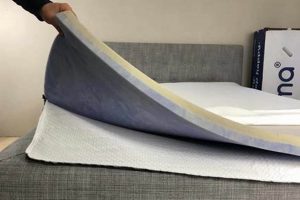
This bedding accessory enhances the comfort and support of an RV king-sized bed. It is designed to be placed on top of the existing mattress to provide an added layer of cushioning. Typical construction materials include memory foam, latex, or down alternatives, each offering different levels of conforming and pressure relief. For instance, a memory foam version may contour to the body’s shape, distributing weight evenly and minimizing motion transfer.
The utilization of this bedding addition can significantly improve sleep quality for those traveling in recreational vehicles. Considering the often limited space and potentially less-than-ideal mattresses found in RVs, this topper provides a cost-effective way to upgrade sleeping arrangements without replacing the entire mattress. Historically, individuals have sought ways to maximize comfort in mobile living spaces; this product addresses that need through improved ergonomics and enhanced support.
The subsequent discussion will delve into the factors to consider when selecting the appropriate size and material for enhanced sleeping support within the confines of a recreational vehicle. Considerations will include material composition, thickness, and suitability for various sleeping positions and personal preferences, leading to a well-informed decision.
Guidance for Selecting the Appropriate Bedding Enhancement
This section provides several key considerations for individuals seeking to improve the comfort of their RV king mattress. Careful evaluation of these aspects will aid in making an informed decision.
Tip 1: Assess Mattress Dimensions Accurately: Prior to purchase, precisely measure the RV king mattress. Variations in size can occur, so accurate dimensions are essential to ensure a proper fit and prevent overhang or gaps.
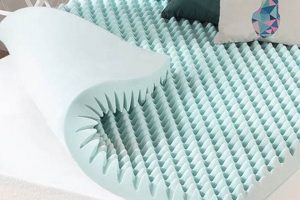
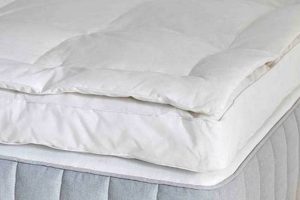
Tip 2: Evaluate Material Composition: Different materials offer varying levels of support and temperature regulation. Memory foam conforms to the body but can retain heat. Latex is naturally cooler and provides responsive support. Down alternatives offer a softer feel, but may not provide as much support.
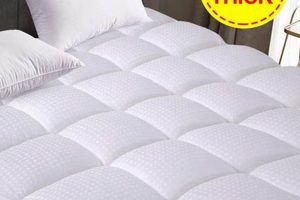
Tip 3: Consider Thickness and Density: The thickness and density of the topper directly influence its level of cushioning and support. Thicker options provide greater pressure relief, while denser materials offer increased durability and longevity.
Tip 4: Research Certifications: Look for certifications such as CertiPUR-US, which ensures that the foam used is free from harmful chemicals and has been tested for emissions and durability.
Tip 5: Analyze Sleeping Position: Side sleepers may benefit from thicker, softer options to alleviate pressure on hips and shoulders. Back and stomach sleepers may require firmer options for proper spinal alignment.
Tip 6: Review Customer Feedback: Investigate customer reviews to gain insight into the topper’s real-world performance, durability, and any potential drawbacks. Consider reviews from individuals with similar needs and sleeping preferences.
Tip 7: Examine Warranty and Return Policies: A comprehensive warranty and a reasonable return policy provide assurance in case of dissatisfaction or defects. Understand the terms and conditions before making a purchase.
Careful attention to these guidelines ensures a balance between personal preference, budget, and the practical constraints of the RV environment. By prioritizing these considerations, individuals can confidently invest in a solution that significantly enhances their sleep experience.
The following sections will elaborate on maintenance practices and address common concerns associated with the long-term use of this product.
1. Size Compatibility

Size compatibility constitutes a fundamental attribute of any “mattress topper rv king.” The term “RV king” does not denote a universally standardized dimension. Variations exist between manufacturers and even within the same manufacturer’s product lines. Consequently, a mattress topper designed for a residential king-sized bed will almost invariably prove unsuitable for an RV king mattress. The ramifications of selecting an incorrectly sized topper include overhang, creating tripping hazards and impeding movement within the confined space of the RV. Conversely, a topper that is too small fails to provide consistent support and pressure relief across the entire sleeping surface, negating its intended benefits. Real-world examples demonstrate that even slight discrepancies of a few inches can render a topper virtually unusable within the context of an RV.
Precise measurement of the RV king mattress, prior to any topper purchase, is therefore imperative. Manufacturers of RV mattresses and toppers often provide specific dimensions. Verification against these specifications ensures a proper fit. Furthermore, accounting for any existing bedding or mattress protectors is crucial; these additions can subtly alter the effective sleeping surface area. Some vendors offer custom-sizing options, addressing the variability in RV king mattress dimensions and facilitating a more tailored solution. Failure to meticulously address size compatibility introduces avoidable discomfort and undermines the ergonomic purpose of the topper.
In summary, size compatibility is not merely a desirable characteristic, but a pre-requisite for a functional and beneficial “mattress topper rv king.” The lack of a standardized RV king dimension necessitates precise measurement and cross-referencing with manufacturer specifications. The practical significance of this understanding lies in the avoidance of both inconvenience and compromised sleep quality. Ignoring size compatibility defeats the objective of enhancing comfort and support within the mobile living environment of a recreational vehicle.
2. Material Composition

Material composition directly influences the performance and suitability of a mattress topper designed for an RV king bed. The inherent properties of the selected material determine factors such as support, temperature regulation, durability, and even the overall weight, a significant consideration within the weight constraints of a recreational vehicle. The choice of material is not arbitrary; it’s a foundational element dictating the user experience. For instance, a memory foam topper, known for its conforming capabilities, distributes weight evenly, reducing pressure points. However, lower-density memory foam may lack sufficient support for heavier individuals or those with specific spinal alignment needs. In contrast, latex, whether natural or synthetic, offers a more resilient and responsive surface, typically with better airflow. Examples include individuals with back pain finding relief with a firmer latex topper, while others may prefer the enveloping sensation of memory foam.
The practical implications of material composition extend beyond immedia
te comfort. Durability is paramount, as RV travel subjects the topper to constant vibration and potential temperature fluctuations. Less durable materials may degrade prematurely, leading to sagging or uneven support. Furthermore, the material’s breathability influences temperature regulation. Poor airflow can result in heat retention, leading to discomfort, especially in warmer climates. Consider a real-world scenario where an individual chose a low-cost memory foam topper for their RV king bed. Initially comfortable, the topper quickly compressed, offering inadequate support, and retained heat, rendering sleep uncomfortable. This highlights the need to prioritize quality materials over merely focusing on price. Certain materials are also more resistant to allergens and mold, crucial in the often humid environment of an RV.
In summary, the material composition of a “mattress topper rv king” is a critical determinant of its performance and long-term value. Understanding the properties of different materials, and their implications for support, durability, temperature regulation, and weight, is essential for making an informed decision. This knowledge allows individuals to select a topper that aligns with their specific needs and sleeping preferences, ultimately enhancing the sleep experience within the constraints and demands of RV travel. Failure to consider material composition can result in discomfort, premature wear, and a suboptimal sleeping environment, negating the intended benefits of the topper.
3. Thickness Options

The thickness of a mattress topper for an RV king bed directly impacts comfort, support, and overall sleep quality. Various thickness options cater to different needs and preferences, making selection a critical factor. Understanding these options is essential for optimizing sleep within the confined space of a recreational vehicle.
- Pressure Relief Enhancement
Increased thickness provides enhanced pressure relief. Thicker toppers conform more readily to body contours, distributing weight and reducing pressure points on hips, shoulders, and back. Real-world examples include side sleepers benefiting from thicker toppers that alleviate pressure on their shoulders and hips. Conversely, individuals preferring to sleep on their stomach may find thinner options more suitable for maintaining spinal alignment.
- Support Modification
Topper thickness can modify the support provided by the underlying mattress. A thicker topper can compensate for an aging or overly firm mattress, providing a softer sleeping surface. For instance, if an RV king mattress is too firm, a thicker memory foam topper can add a layer of cushioning, increasing comfort. The degree of support modification depends on the topper material and density in addition to thickness.
- Profile Considerations
Topper thickness affects the overall bed profile, which is especially important in the limited space of an RV. A very thick topper can increase the bed height, potentially making it difficult to get in and out of bed. Conversely, a thin topper might not provide sufficient comfort or support. Measuring available headroom and considering individual mobility needs are critical before selecting a topper thickness.
- Heat Retention
Thickness can influence heat retention. Thicker toppers, especially those made of memory foam, may trap more heat than thinner options or those made of materials with better airflow. Individuals who sleep hot may want to opt for thinner toppers or those constructed with cooling technologies, such as gel-infused memory foam or breathable latex. Conversely, those sensitive to cold might prefer the added insulation provided by a thicker topper.
Thickness options for “mattress topper rv king” are not merely about adding cushioning; they represent a balance between pressure relief, support modification, profile considerations, and heat retention. Careful consideration of these factors, coupled with an understanding of individual sleep preferences and the specific characteristics of the RV king mattress, is crucial for selecting the optimal topper thickness and maximizing sleep quality within the recreational vehicle environment.
4. Support Level

The support level offered by a mattress topper profoundly influences the sleep experience on an RV king bed. The underlying mattress in a recreational vehicle may lack the ideal firmness or contouring needed for optimal spinal alignment and pressure relief. Consequently, the support level of the mattress topper assumes critical importance in compensating for these deficiencies. A topper with inadequate support can exacerbate existing discomfort, leading to pain and restless sleep. Conversely, a topper with appropriate support can alleviate pressure points, maintain proper spinal alignment, and promote more restorative sleep. The causal relationship is clear: insufficient support leads to discomfort; adequate support promotes comfort.
The selection of a suitable support level hinges on several factors, including sleeping position, body weight, and individual preferences. Side sleepers, for example, generally benefit from a softer topper that allows the shoulders and hips to sink in, reducing pressure on these areas. Back sleepers often require a firmer topper to maintain spinal alignment. Heavier individuals typically need a denser, more supportive topper to prevent excessive sinking and ensure adequate support. A practical example involves an RV owner who initially purchased a soft, plush topper only to experience back pain due to insufficient support. After switching to a firmer, more supportive topper, their back pain diminished, and their sleep quality improved. This highlights the practical significance of carefully considering support level when selecting a topper. Furthermore, features such as zoned support, where different areas of the topper offer varying levels of firmness, can cater to the diverse needs of different body regions.
In summary, the support level is not merely a secondary characteristic but a core element that determines the effectiveness of a “mattress topper rv king.” The relationship between support and comfort is direct and consequential. Choosing a topper with the correct support level, based on individual needs and preferences, is essential for achieving restful sleep and mitigating potential discomfort. Ignoring this crucial aspect can negate the benefits of a topper, rendering it a costly and ineffective addition to the RV king bed. Therefore, the process of selecting a suitable “mattress topper rv king” necessitates careful assessment of individual support requirements.
5. Heat Regulation

Heat regulation is a crucial consideration when selecting a mattress topper for an RV king bed, particularly given the often limited ventilation and potential for temperature fluctuations within a recreational vehicle. The material composition and construction of the topper directly influence its capacity to dissipate heat and maintain a comfortable sleeping temperature. Poor heat regulation can lead to overheating, resulting in disrupted sleep and discomfort. Conversely, effective heat regulation promotes a cooler, mo
re restful sleep environment. For instance, memory foam, while valued for its pressure-relieving properties, tends to retain heat. In contrast, latex and materials with open-cell structures offer better breathability and enhanced heat dissipation. The choice between these options hinges on the individual’s susceptibility to overheating and the typical climate in which the RV is used.
The practical significance of heat regulation is amplified by the confined space of an RV. Inadequate ventilation can exacerbate heat buildup within the sleeping area, especially during warmer months. Toppers infused with gel or other cooling technologies aim to mitigate this issue by drawing heat away from the body. Additionally, topper covers made of breathable fabrics, such as bamboo or cotton, can further enhance airflow and reduce heat retention. A real-world example involves an RV owner who initially chose a standard memory foam topper for their RV king bed. Experiencing persistent overheating during summer trips, they switched to a latex topper with a breathable cover, resulting in a significant improvement in sleep comfort. This illustrates the direct correlation between topper material, heat regulation, and overall sleep quality within the RV environment. Furthermore, the weight of the topper materials (e.g. gel infusions) can be significant and should be considered in the light of vehicle weight limitations.
In summary, heat regulation is an indispensable attribute of any “mattress topper rv king.” The material composition, construction, and cover fabric all contribute to the topper’s ability to manage heat and maintain a comfortable sleeping temperature. Recognizing the inherent limitations of RV ventilation and the potential for temperature fluctuations, individuals must prioritize heat regulation when selecting a topper. The practical consequence of neglecting this aspect is a compromised sleep experience characterized by discomfort and disrupted rest. Prioritizing breathable materials and cooling technologies is, therefore, essential for optimizing the sleep environment within the confines of a recreational vehicle.
6. Portability/Storage
Portability and storage present critical considerations when selecting a mattress topper for an RV king bed. The limited space inherent in recreational vehicles necessitates a focus on products that can be easily managed during transit and when not in use. The practicality of a mattress topper is significantly diminished if it proves cumbersome or difficult to store effectively.
- Weight and Volume
The weight and compressed volume of a mattress topper directly influence its portability and storage feasibility within an RV. Lighter materials, such as some down alternatives, offer an advantage in terms of ease of handling. Similarly, toppers that can be tightly rolled or folded occupy less storage space. A heavy, bulky topper may require significant effort to move and may consume a disproportionate amount of valuable storage capacity. For example, a memory foam topper, while comfortable, often weighs considerably more than a down alternative of comparable dimensions. Furthermore, its inherent density can make compression for storage challenging.
- Compression and Rebound
The ability of a mattress topper to compress for storage and subsequently rebound to its original shape is a significant factor in its practicality for RV use. Materials that compress well and quickly recover their form simplify the storage process and minimize the risk of permanent deformation. Conversely, toppers that resist compression or exhibit slow rebound may require more dedicated storage space and may suffer from diminished performance over time. For instance, latex toppers, while durable, often exhibit less compressibility than memory foam options.
- Storage Solutions
The availability of dedicated storage solutions further enhances the portability and storage convenience of a mattress topper. Some manufacturers offer toppers that come with integrated straps or carrying bags designed to facilitate compact storage and transportation. These solutions can be particularly valuable in the confined environment of an RV, where efficient organization is paramount. However, the effectiveness of these solutions hinges on their durability and ease of use. A flimsy carrying bag may prove ineffective in protecting the topper during transit, while cumbersome straps can negate the benefits of improved compressibility.
- Durability During Transit
A mattress topper’s inherent durability during transit directly influences its long-term viability in an RV setting. The constant movement and potential for shifting within the vehicle subject the topper to abrasion and compression. Toppers constructed from robust materials and reinforced seams are better equipped to withstand these stresses. Conversely, less durable toppers may exhibit premature wear and tear, requiring frequent replacement. For example, a topper with poorly stitched seams may unravel during transit, compromising its structural integrity and necessitating repairs or replacement. Considerations, such as a mattress protector, must be factored into a storage strategy.
The portability and storage characteristics of a “mattress topper rv king” are inextricably linked to its practical utility within the context of RV travel. These considerations extend beyond mere convenience; they directly impact the long-term viability and cost-effectiveness of the investment. A carefully selected topper, characterized by manageable weight and volume, efficient compressibility, and inherent durability, contributes significantly to the overall comfort and functionality of the RV sleeping environment. Conversely, neglecting these factors can result in unnecessary complications, compromised storage capacity, and a diminished sleep experience. The successful integration of a mattress topper into the RV lifestyle depends, in large measure, on its portability and ease of storage.
Frequently Asked Questions
The following questions address common concerns and misconceptions regarding mattress toppers specifically designed for RV king-sized beds. The information is intended to provide clarity and assist in making informed purchasing decisions.
Question 1: Are RV king mattresses the same size as standard king mattresses?
No. While both are referred to as “king,” RV king mattresses are typically shorter in length to accommodate the dimensions of recreational vehicles. Measuring the RV mattress before purchasing a topper is essential to ensure a proper fit.
Question 2: What is the recommended thickness for an RV king mattress topper?
The recommended thickness varies based on individual preferences and the condition of the existing mattress. A general guideline is 2-4 inches, but thicker options may be beneficial for older or less supportive mattresses. Clearance within the RV should also be considered.
Question 3: Is memory foam the best material for an RV king mattress topper?
Memory foam offers pressure relief but can retain heat. Latex provides a cooler alternative, while down alternatives offer a softer feel. The ideal material depends on individual sleeping preferences and the climate in which the RV is used.
Question 4: How can one prevent an RV king mattress topper from sliding?
Consider using a non-slip mattress pad underneath the topper. Some toppers also feature elastic straps or corner bands designed to secure them to the mattress.
Question 5: How shou
ld an RV king mattress topper be cleaned?
Refer to the manufacturer’s instructions. Most toppers can be spot-cleaned with a mild detergent. A mattress protector can help prevent stains and extend the topper’s lifespan. Some topper covers are removable and machine washable.
Question 6: How should an RV king mattress topper be stored when not in use?
The topper should be rolled or folded according to the manufacturer’s instructions. Storing it in a cool, dry place will prevent the buildup of mold and mildew. Consider using a storage bag to protect it from dust and pests.
These FAQs provide a foundational understanding of the considerations involved in selecting and maintaining a mattress topper for an RV king bed. Careful attention to these details will contribute to an improved sleep experience while traveling.
The subsequent section will explore specific product recommendations based on different needs and budgets.
Concluding Remarks
The preceding analysis has explored critical aspects of “mattress topper rv king,” emphasizing size compatibility, material composition, thickness options, support level, heat regulation, and portability/storage considerations. Each facet contributes uniquely to the product’s overall effectiveness in enhancing sleep quality within the constrained environment of a recreational vehicle. The selection process demands careful evaluation of individual needs, existing mattress characteristics, and the inherent limitations of RV living.
The discerning consumer must prioritize informed decision-making to realize the intended benefits of a “mattress topper rv king.” Thoughtful consideration of the discussed parameters translates to a tangible improvement in comfort and restorative rest, optimizing the overall travel experience. Further research into specific product offerings, coupled with adherence to recommended maintenance practices, ensures the longevity and sustained performance of the chosen solution.
![Best King Size Mattress Topper [Guide & Review] | Organic & Natural Mattress Buyer’s Guide: Non-Toxic Sleep Solutions](https://mattressworldpa.com/wp-content/uploads/2025/07/th-6136-300x200.jpg "Best King Size Mattress Topper [Guide & Review] Organic & Natural Mattress Buyer’s Guide: Non-Toxic Sleep Solutions")
![Best King Mattress Topper Nearby: [Comfort Boost!] | Organic & Natural Mattress Buyer’s Guide: Non-Toxic Sleep Solutions](https://mattressworldpa.com/wp-content/uploads/2025/07/th-6131-300x200.jpg "Best King Mattress Topper Nearby: [Comfort Boost!] Organic & Natural Mattress Buyer’s Guide: Non-Toxic Sleep Solutions")