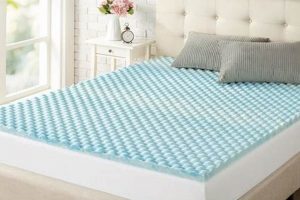
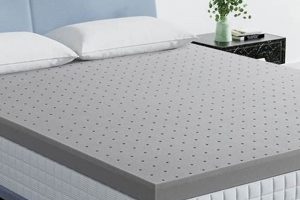
The primary function of an additional layer placed atop a new bed is multifaceted. It aims to enhance comfort, provide protection, and potentially modify the feel of the sleep surface. For example, a memory foam addition can soften a firm sleeping platform, while a wool layer can regulate temperature and wick away moisture.
The significance of this supplementary layer lies in its ability to extend the lifespan of the underlying bed. By absorbing wear and tear, it shields the core mattress from direct contact with body weight and potential spills. Furthermore, these additions can offer relief from pressure points and contribute to improved spinal alignment. Their use has evolved from simple padding to technologically advanced materials designed for specific sleep needs.
The subsequent sections will delve into specific material types, maintenance considerations, and factors to consider when selecting a suitable option for augmenting a new sleep system.
Enhancing a New Mattress
The following guidelines offer advice on selecting and utilizing an overlay to complement a new sleeping platform. These recommendations are designed to maximize comfort, protection, and longevity.
Tip 1: Material Selection Aligns With Needs: Evaluate the desired properties. Memory foam provides pressure relief; latex offers responsiveness and durability; wool regulates temperature; and down/feather provides plushness. Individual requirements should dictate the choice.
Tip 2: Secure Fit is Crucial: Ensure that the added layer fits the bed properly. Overhang or undersizing can compromise comfort and support. Measure the sleeping platform and select an appropriately sized addition.
Tip 3: Protection Against Stains and Allergens: Utilize a waterproof and hypoallergenic layer beneath the supplementary piece. This safeguards the core sleeping platform from spills, dust mites, and other allergens, extending its useful life.
Tip 4: Regular Cleaning Extends Lifespan: Adhere to the manufacturer’s cleaning instructions. Routine vacuuming and spot cleaning prevent the buildup of dust and debris, maintaining hygiene and performance.
Tip 5: Consider Thickness for Desired Firmness: Thickness influences the overall feel of the sleep surface. A thinner layer provides subtle adjustments, while a thicker one offers more significant changes to firmness and support.
Tip 6: Budget Considerations are Important: Prices vary widely depending on materials and construction. Balance desired features with budgetary constraints to make an informed decision.
Tip 7: Evaluate Warranty and Return Policies: Before purchasing, review the manufacturer’s warranty and return policy. This provides recourse in case of defects or dissatisfaction with the product’s performance.
Properly employing these considerations ensures that the added sleep surface contributes to a more comfortable, hygienic, and durable sleeping environment, optimizing the investment in a new bed.
The following sections will address common misconceptions and long-term care strategies related to supplemental sleep surfaces.
1. Enhance Comfort

Enhancing comfort represents a primary function when considering the incorporation of an additional layer onto a new sleeping surface. The subjective experience of comfort directly influences sleep quality and overall well-being. The selection and implementation of such an overlay should, therefore, address specific comfort-related needs.
- Pressure Point Relief
An overlay can mitigate pressure points, particularly at the shoulders and hips. Materials such as memory foam conform to the body’s contours, distributing weight more evenly. This reduction in localized pressure can alleviate discomfort and promote uninterrupted sleep.
- Temperature Regulation
Certain materials, such as wool or those incorporating cooling gel, regulate temperature more effectively than traditional mattress materials. These additions can reduce overheating and night sweats, thereby contributing to a more comfortable sleep environment.
- Support Modification
The addition can alter the firmness and support characteristics of a bed. A softer layer atop a firm mattress can provide a more plush feel, while a firmer layer can add support to a sagging surface. This allows for customization of the sleeping platform to individual preferences.
- Motion Isolation
Materials like memory foam and latex excel at absorbing movement. This reduces the transmission of motion between sleeping partners, minimizing disturbances and enhancing individual sleep quality. A partner’s movement is less likely to disrupt one’s own rest.
These multifaceted comfort enhancements underscore the significance of a supplementary layer in customizing a new sleep system. The choice of material and construction directly impacts pressure relief, temperature regulation, support modification, and motion isolation, thereby influencing the overall sleep experience. Each aspect plays a crucial role in achieving optimal rest and rejuvenation.
2. Preserve Mattress
The act of preserving the underlying sleep platform constitutes a critical facet of the overall rationale for utilizing a supplemental layer on a new bed. This preservation aspect directly addresses the longevity and hygiene of the primary mattress, impacting its lifespan and the quality of the sleep environment. Damage from spills, body fluids, dust mites, and general wear and tear is mitigated by the presence of the protective layer. The consequences of neglecting this protection can be significant, resulting in premature degradation of the core components and necessitating earlier replacement.
For instance, consider the scenario of a newly purchased mattress susceptible to accidental spills. Without a protective barrier, liquids can penetrate the fibers, creating breeding grounds for mold and bacteria. This not only compromises hygiene but also voids many manufacturer warranties. The use of a waterproof overlay, conversely, shields the mattress from such incidents, preserving its integrity and extending its serviceable life. Similarly, the physical abrasion caused by body weight and movement over time can lead to compression and sagging. A substantial layer disperses this pressure, reducing localized wear and preventing premature deformation.
In summary, the preservation of a mattress through the use of a supplemental layer is a prudent investment. By acting as a buffer against environmental contaminants and physical stressors, it safeguards the structural integrity and hygienic condition of the underlying core. This proactive approach optimizes the lifespan of the primary sleep surface, mitigating lo
ng-term costs and contributing to a more healthful sleep environment.
3. Adjust Firmness
The ability to adjust the firmness of a sleep surface represents a core function of a supplementary layer placed atop a new mattress. The inherent firmness of a new mattress may not align perfectly with an individual’s preferred sleep posture or comfort needs. The addition of an overlay provides a mechanism to fine-tune the feel, enabling a customization not otherwise achievable. This adjustment is not merely cosmetic; it directly impacts spinal alignment, pressure point distribution, and overall sleep quality. For instance, a side sleeper may find a firm mattress uncomfortable due to excessive pressure on the shoulders and hips. By introducing a softer memory foam layer, pressure is redistributed, resulting in improved comfort and reduced discomfort.
Conversely, an individual may find a new mattress too soft, leading to a feeling of instability and potential back pain. In such instances, a firmer latex or wool topper can provide added support and prevent excessive sinking, thereby improving spinal alignment and reducing discomfort. The adjustment is not limited to simple softening or firming. Some products offer zoned support, providing different levels of firmness to various areas of the body, catering to more complex needs. This level of customization is crucial for individuals with specific medical conditions or preferences, highlighting the practical importance of the firmness adjustment feature.
In conclusion, the adjustment of firmness is a fundamental component. By allowing for customization of the sleep surface, it addresses the inherent variability in individual needs and preferences. The ability to fine-tune the feel of a bed directly influences comfort, spinal alignment, and overall sleep quality, reinforcing its significance as a primary consideration when evaluating the addition of an overlay to a new mattress.
4. Extend Lifespan

The extension of a mattress’s useful life represents a significant objective when assessing the potential value of a supplemental layer. This objective is inherently tied to the underlying financial and practical considerations associated with bed ownership. Protecting the core structure from degradation is paramount to maximizing the return on investment.
- Physical Barrier Against Wear and Tear
A primary function is to provide a physical barrier against the daily wear and tear inflicted by body weight, movement, and friction. This protective layer absorbs a significant portion of the stress that would otherwise be concentrated directly on the mattress surface. For example, repeated pressure on specific areas, such as the hip or shoulder region, can lead to localized compression and sagging over time. A properly chosen overlay distributes this pressure more evenly, mitigating the risk of premature deformation.
- Protection Against Spills and Stains
Accidental spills and stains pose a significant threat to mattress longevity. Liquids can penetrate the fibers, creating an environment conducive to mold and bacteria growth. This contamination not only compromises hygiene but also accelerates the breakdown of internal materials. A waterproof or water-resistant addition acts as a shield, preventing liquids from reaching the core structure and preserving its integrity.
- Mitigation of Allergen Accumulation
Mattresses are prone to accumulating allergens, such as dust mites and dead skin cells. These allergens can trigger allergic reactions and respiratory problems, impacting sleep quality. While regular cleaning can help, it is not always sufficient to remove deeply embedded allergens. A removable and washable supplement provides an additional layer of defense, preventing allergens from accumulating within the mattress itself.
- Delaying Compression and Sagging
Over time, mattresses naturally lose some of their original firmness and support due to compression of the internal materials. This compression can lead to sagging, which compromises spinal alignment and comfort. A supportive layer can help to delay this process by providing additional cushioning and support, distributing weight more evenly and reducing the strain on the core structure.
These facets collectively underscore the vital role the supplemental layer plays in extending the lifespan of a mattress. By mitigating physical wear, protecting against contaminants, and delaying compression, it contributes to the long-term preservation of the underlying structure, resulting in significant cost savings and an improved sleep environment.
5. Offer Support
The capacity to provide support constitutes a critical element within the broader framework of “purpose of mattress topper for new mattress.” The supportive characteristics of an added layer directly influence spinal alignment, pressure distribution, and overall biomechanical stability during sleep. Without adequate support, the sleeper risks postural misalignment, exacerbation of pre-existing conditions, and the development of new musculoskeletal discomfort. The cause-and-effect relationship is clear: insufficient support leads to compromised sleep quality and potential health implications. The importance of this aspect cannot be overstated; it is a foundational element for achieving restorative rest.
Real-life examples illustrate the practical significance of support. An individual with lower back pain may find that a new mattress, while comfortable in terms of plushness, lacks the necessary lumbar support. The addition of a firm, conforming topper can fill the gap between the sleeper’s lumbar region and the mattress surface, promoting a neutral spinal posture. Conversely, a lightweight individual may find that a supportive mattress provides excessive resistance, preventing proper shoulder and hip sinkage. In this scenario, a softer, pressure-relieving topper can provide the necessary give to accommodate the body’s contours. These examples demonstrate the adaptive nature of support enhancement.
The practical significance of understanding the supportive functions lies in the ability to tailor a sleep surface to individual needs. This understanding empowers consumers to make informed decisions, selecting additions that address specific postural requirements and comfort preferences. While the term “support” encompasses a range of characteristics, from firmness to contouring, the underlying principle remains constant: to promote optimal spinal alignment and minimize pressure points. Addressing these needs can lead to increased sleep efficiency and an enhanced sense of well-being. Therefore, prioritizing supportive features is essential when leveraging the advantages of a mattress addition.
Frequently Asked Questions
The following section addresses common inquiries regarding the use of supplementary layers with new mattresses. The information provided aims to clarify practical considerations and potential benefits.
Question 1: Does a new mattress require a topper?
The necessity of an additional layer is subjective. While not always mandatory, it can enhance comfort, extend the b
ed’s lifespan, or modify the firmness level to suit individual preferences.
Question 2: Will a supplementary layer void the mattress warranty?
This depends on the manufacturer’s warranty terms. Generally, using a product that protects the mattress, such as a waterproof addition, will not void the warranty. However, damage caused by the addition might not be covered.
Question 3: What is the ideal thickness for an added layer?
The optimal thickness depends on the desired effect. A thinner layer (1-2 inches) provides subtle adjustments, while a thicker layer (3-4 inches) offers more significant changes in firmness and support.
Question 4: How often should the added layer be cleaned?
Cleaning frequency depends on the material and usage. Generally, vacuuming every 1-2 months and spot cleaning as needed is recommended. Washable additions should be laundered according to the manufacturer’s instructions.
Question 5: Are there specific material types recommended for different sleep positions?
Side sleepers often benefit from pressure-relieving materials like memory foam or latex. Back and stomach sleepers may prefer firmer materials like wool or a supportive foam blend.
Question 6: How does an additional layer impact temperature regulation?
Certain materials, such as wool, latex, and those incorporating cooling gel, can enhance temperature regulation. These materials promote airflow and wick away moisture, reducing overheating.
In summary, the decision to utilize a supplemental sleep surface is personal, influenced by factors such as comfort preferences, budget considerations, and specific needs. Understanding the potential benefits and drawbacks of different materials is crucial for making an informed choice.
The subsequent discussion will explore long-term care strategies and maintenance considerations for supplemental sleep surfaces.
Conclusion
This exploration of the purpose of mattress topper for new mattress has highlighted its multifaceted utility. It encompasses comfort enhancement, mattress preservation, firmness adjustment, lifespan extension, and support provision. Understanding these elements facilitates informed consumer decisions, aligning product selection with individual needs.
Continued research and development in material science promise further advancements in sleep surface technology. The judicious selection and maintenance of supplemental layers can significantly optimize the sleep environment, warranting careful consideration by discerning consumers.

![Best Mattress Latex Topper [Guide] Comfort & Support | Organic & Natural Mattress Buyer’s Guide: Non-Toxic Sleep Solutions](https://mattressworldpa.com/wp-content/uploads/2025/07/th-6117-300x200.jpg "Best Mattress Latex Topper [Guide] Comfort & Support Organic & Natural Mattress Buyer’s Guide: Non-Toxic Sleep Solutions")