



An accessory designed to enhance sleep comfort in recreational vehicles, a mattress layer conforming to the dimensions of a camper queen bed provides an additional level of cushioning and support. This item is typically composed of materials such as memory foam, latex, or down alternatives and is placed directly atop the existing mattress. As an example, individuals experiencing discomfort from a firm RV mattress might consider this addition to alleviate pressure points.
The addition of such a layer offers multiple advantages for RV travelers. It can improve sleep quality by providing a more comfortable and supportive sleep surface. This is particularly beneficial for those with back pain or other conditions that are aggravated by sleeping on a substandard mattress. Historically, RV mattresses were often basic and utilitarian, leading owners to seek aftermarket solutions for enhanced comfort on the road, with benefits including better rest and increased overall well-being during travels.
The subsequent sections will delve into the various types available, factors to consider when making a purchase, and tips for maintaining the product to maximize its lifespan and effectiveness. The comparison of different materials and thickness options will also be addressed, alongside a discussion of suitable storage and cleaning methods for RV environments.
Essential Considerations for Camper Queen Mattress Enhancement
Optimizing sleep quality in a recreational vehicle requires careful consideration of several factors. The following guidelines offer practical advice for selecting, using, and maintaining a mattress overlay designed for camper queen beds.
Tip 1: Prioritize Material Composition: Memory foam offers pressure relief and conforms to the body, while latex provides a more responsive and breathable surface. Consider personal preferences for sleep temperature and support level when choosing the material.
Tip 2: Assess Thickness Appropriately: A thicker overlay provides greater cushioning, but it may also affect headroom and storage space within the RV. Evaluate the existing mattress firmness and available space before selecting a thickness.
Tip 3: Consider Weight Implications: Overlays add weight to the RV, potentially impacting fuel efficiency and overall vehicle handling. Research the weight of different materials and sizes to minimize any negative effects.
Tip 4: Evaluate Airflow and Breathability: Poor airflow can lead to heat retention and discomfort during sleep. Look for overlays with features like open-cell foam or ventilation channels to promote breathability.
Tip 5: Implement Protective Measures: Utilize a waterproof mattress protector to guard against spills, stains, and allergens. This prolongs the lifespan of the overlay and maintains a hygienic sleep environment.
Tip 6: Maintain Proper Storage Protocols: When not in use, store the overlay in a clean, dry environment to prevent mold or mildew growth. Consider using a vacuum-sealed bag to minimize space requirements and protect against pests.
Tip 7: Adhere to Regular Cleaning Practices: Follow the manufacturer’s instructions for cleaning the overlay. Spot clean stains promptly and air it out periodically to prevent odors.
Adhering to these guidelines will ensure a more comfortable and restful sleep experience while traveling in a recreational vehicle, while also ensuring the product’s longevity and hygiene.
The subsequent sections will explore specific brands and models available on the market, providing a comprehensive overview to aid in informed decision-making.
1. Material composition

The material composition is a paramount determinant of a camper queen mattress topper’s performance and suitability. The choice of material directly influences several key aspects, including comfort, support, temperature regulation, and durability. For example, memory foam, a common material, excels at conforming to the body’s contours, providing pressure relief and reducing motion transfer. However, some memory foam formulations can retain heat, leading to discomfort in warmer climates. Latex, on the other hand, offers a more responsive and breathable surface, although it may not provide the same level of pressure relief as memory foam. Real-life examples show RVers choosing memory foam for its superior pressure relief on long journeys, while others opt for latex, due to its breathability and natural resistance to allergens, particularly in humid environments.
Further analysis reveals that material density also plays a critical role. Higher density materials, such as dense memory foam or natural latex, tend to be more durable and offer greater support over time. Conversely, lower-density materials may be more affordable but are prone to sagging and compression, reducing their lifespan and effectiveness. Practical applications of this understanding manifest in the selection process. Rvers often scrutinize the specifications and reviews to gauge the density and durability of different toppers, recognizing that a higher initial investment in a quality material can lead to long-term cost savings and enhanced comfort. Understanding the inherent properties of the material is crucial for maximizing sleep quality and extending the product’s usable lifespan.
In summary, material composition dictates the core characteristics and functionality of a camper queen mattress topper. Understanding its nuances enables informed decision-making and selection of the optimal topper for individual needs and preferences within the specific constraints of an RV environment. The key insight is that selecting an appropriate material addresses challenges related to comfort, support, and durability, thereby contributing to a more restful and enjoyable travel experience. Its practical significance is therefore undeniable.
2. Thickness options

Thickness is a critical variable in the context of a camper queen mattress topper, directly impacting comfort, support, and overall suitability for use within the space constraints of a recreational vehicle.
- Impact on Pressure Relief
A thicker mattress overlay generally provides more significant pressure relief, particularly for individuals experiencing discomfort from a firm RV mattress. For example, a 4-inch memory foam topper will typically offer superior cushioning compared to a 2-inch model, distributing weight more evenly and reducing pressure points on the hips and shoulders. This is especially pertinent for side sleepers or those with back pain. However, excessive thickness may lead to a feeling of being enveloped too deeply, hindering ease of movement.
- Influence on Headroom and Accessibility
The limited headroom within many RV sleeping areas necessitates careful consideration of overlay thi
ckness. A thicker topper can reduce the vertical space between the mattress and the ceiling, potentially causing discomfort or restricting movement. Instances of RV owners selecting overly thick toppers, only to find them impractical due to reduced headroom, are common. The overall dimensions of the RV and the height of the existing mattress must be factored into the decision-making process. - Effect on Storage Space
RVs often feature under-bed storage compartments, and the thickness of a mattress topper can affect accessibility. A thicker topper may compress existing bedding to the point of impeding access to these storage areas. The practical implication is that RV owners need to weigh the benefits of increased comfort against the potential inconvenience of reduced storage accessibility. This tradeoff is especially critical in smaller RV models with limited storage capacity.
- Considerations for Weight and Portability
Although often overlooked, the weight of a thicker mattress topper can be a significant factor, particularly when transporting or storing it. Heavier toppers may require more effort to move and may also contribute to the overall weight of the RV, potentially impacting fuel efficiency. Individuals who frequently remove and store their topper should prioritize lighter materials and thinner profiles to facilitate handling. This aspect underscores the need for careful evaluation of both comfort and practicality.
The thickness of a camper queen mattress overlay is not merely a matter of comfort preference; it is a multifaceted decision that must consider the unique challenges and limitations inherent in RV travel. Weighing these considerations enables a more informed selection process, ensuring both comfort and practicality are optimized. Ultimately, a balanced approach is essential for maximizing the benefits of an RV mattress overlay while minimizing potential drawbacks.
3. Density level
Density level, measured in pounds per cubic foot (lbs/ft), directly influences the performance and longevity of a camper queen mattress topper. High-density materials offer enhanced support and resistance to compression, translating to greater durability and sustained comfort over time. For instance, a high-density memory foam topper, typically exceeding 4 lbs/ft, provides more consistent support, minimizing sinkage and maintaining spinal alignment during sleep. Conversely, low-density options, often below 3 lbs/ft, may initially feel softer but are more susceptible to premature sagging and reduced support, especially under prolonged use. This distinction becomes particularly crucial in the context of RV travel, where mattresses often endure frequent use and varying environmental conditions. Selecting an appropriate density level directly mitigates the risk of discomfort and the need for premature replacement.
Further analysis reveals that density level also impacts temperature regulation and motion isolation. Higher density materials tend to retain more heat, potentially causing discomfort in warmer climates. However, they also excel at absorbing motion, minimizing disturbances from a sleeping partner. Real-life examples illustrate RVers selecting lower-density, open-cell foam toppers to enhance breathability in hot environments, while others prioritize high-density memory foam for its superior motion isolation capabilities, particularly when traveling with restless sleepers. The choice of density, therefore, represents a trade-off between these competing factors. Manufacturers often provide density specifications for their products, allowing consumers to make informed decisions based on their specific needs and preferences.
In conclusion, the density level is a key determinant of a camper queen mattress topper’s suitability for RV travel. Understanding its influence on support, durability, temperature regulation, and motion isolation enables consumers to select an option that optimizes comfort and performance within the unique constraints of the RV environment. The practical significance lies in its ability to enhance sleep quality, extend the product’s lifespan, and ultimately contribute to a more enjoyable travel experience. Properly considering density addresses comfort-related challenges and ensures long-term value within the demanding context of RV usage.
4. Support structure

The support structure is a critical element determining the effectiveness of a camper queen mattress topper in providing proper spinal alignment and pressure relief. It dictates how well the topper maintains its shape under load and distributes weight, directly impacting the overall sleep experience.
- Core Materials and Design
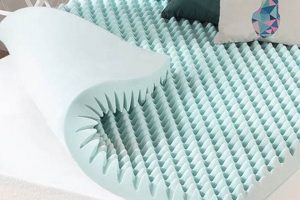
The core material and internal design of the topper significantly influence its support structure. High-density foam, convoluted foam, or strategically placed support zones are common features. For example, a topper with a convoluted foam base may offer enhanced airflow and some degree of support, while a solid high-density foam core will provide more consistent and substantial support. The design should accommodate the contours of the body and evenly distribute weight to prevent pressure points and maintain proper spinal alignment. Practical examples include zoned support systems targeting specific areas like the lumbar region, enhancing overall comfort and minimizing back pain.
- Edge Support and Stability
Edge support is crucial for preventing roll-off and maximizing the usable surface area of the topper. Toppers with reinforced edges or denser foam around the perimeter offer greater stability and prevent the edges from collapsing under pressure. This is particularly important for individuals who sleep near the edge of the bed or require assistance getting in and out of bed. Lack of adequate edge support can lead to instability and discomfort, detracting from the overall benefits of the topper. In real-world scenarios, individuals with mobility issues often prioritize toppers with robust edge support to ensure safe and stable transitions in and out of bed.
- Weight Distribution and Pressure Relief
An effective support structure ensures even weight distribution across the surface of the topper, minimizing pressure points on areas like the hips, shoulders, and knees. This is achieved through a combination of supportive materials and strategic design elements. For instance, a topper that conforms closely to the body’s contours and provides targeted support can alleviate pressure points and promote better circulation. In cases where the support is lacking, pressure points can develop, leading to discomfort and potential sleep disturbances. Selecting a topper with a well-engineered support structure tailored to individual needs can significantly improve sleep quality and overall comfort.
- Durability and Longevity
The quality of the support structure directly impacts the long-term durability and lifespan of the camper queen mattress topper. A well-constructed support system will resist sagging and compression over time, maintaining its shape and effectiveness even with frequent use. In contrast, a poorly designed or constructed support structure may deteriorate rapidly, leading to premature wear and reduced comfort. High-quality materials and reinforced construction techniques are essential for ensuring the topper maintains its support capabilities and provides
consistent comfort throughout its lifespan. RV owners often seek out toppers with warranties and positive user reviews indicating a robust support structure and lasting durability, understanding it as a long-term investment in sleep quality.
Linking these facets back to the main theme, the support structure underpins the functionality of any enhancement. By carefully considering core materials, edge support, weight distribution, and durability, a suitable topper can be selected, enhancing sleep comfort within the constraints of the camper queen size.
5. Heat regulation

Heat regulation represents a critical performance aspect of any camper queen mattress topper. The restricted airflow within recreational vehicles, coupled with temperature fluctuations, necessitates careful consideration of a topper’s thermal properties. The choice of materials and construction significantly influences heat retention and dissipation, directly impacting sleep comfort. For instance, traditional memory foam, known for its conforming properties, tends to trap heat, potentially leading to discomfort in warmer climates. In contrast, latex or gel-infused memory foam options are designed to promote airflow and reduce heat buildup. The effect of inadequate heat regulation can manifest as night sweats, restlessness, and diminished sleep quality, especially during summer months or in humid environments. Rvers traveling through diverse climates must prioritize toppers that mitigate these issues to ensure restful sleep.
Further analysis reveals that factors such as topper thickness and cover materials also play a role in heat regulation. Thicker toppers, particularly those made of dense foam, typically retain more heat than thinner alternatives. The cover material, whether it is cotton, bamboo, or a synthetic blend, can either enhance or impede airflow. Practical applications include selecting toppers with breathable covers and strategically placed ventilation channels to improve air circulation. RV owners often employ cooling pads or mattress protectors in conjunction with their toppers to further regulate temperature. The effectiveness of these strategies depends on the combined properties of the topper, cover, and any additional cooling accessories. Rigorous product testing and user reviews provide valuable insights into the thermal performance of different mattress topper models.
In conclusion, heat regulation is an essential consideration when selecting a camper queen mattress topper. Understanding its influence on sleep comfort and thermal management enables consumers to make informed decisions that mitigate potential overheating issues. Selecting a topper with appropriate materials, construction, and ventilation features addresses challenges related to temperature control and contributes to a more restful sleep environment within the confined space of an RV. The practical significance of prioritizing heat regulation cannot be overstated, as it directly impacts the overall quality of the travel experience.
6. Storage requirements

The storage requirements of a camper queen mattress topper represent a significant consideration for RV owners, stemming directly from space limitations inherent in recreational vehicles. The physical size and weight of a topper, when not in use, necessitate a dedicated storage solution. Failure to adequately address these requirements can lead to clutter, reduced living space, and potential damage to the topper itself. The type of storage required is influenced by the topper’s material composition and construction. For example, a memory foam topper, due to its compressibility, may be rolled or folded for storage, whereas a latex topper may be less pliable and require flat storage. The importance of this understanding lies in preventing damage and prolonging the lifespan of the topper. Real-life examples include RVers who damage their toppers by improperly folding them or storing them in damp environments, leading to mold and mildew growth. Understanding this connection is vital for responsible RV ownership.
Further analysis reveals that storage strategies must align with the available space and layout of the RV. Options range from under-bed storage compartments to overhead cabinets, and even external storage units. The practical application involves selecting a storage method that minimizes space intrusion while protecting the topper from environmental elements and physical damage. RV owners often utilize vacuum-sealed bags to compress the topper, reducing its volume and protecting it from moisture and pests. Some toppers are designed with integrated storage features, such as straps or buckles, facilitating compact storage and transportation. The efficiency of the storage method directly impacts the overall livability and functionality of the RV. Efficient storage maximizes available space, ensuring comfort.
In conclusion, the storage requirements are a critical component of owning a camper queen mattress topper. Improper storage can lead to damage, reduced living space, and overall inconvenience. Addressing this challenge requires a thoughtful assessment of available space, topper characteristics, and appropriate storage methods. The key insight is that prioritizing storage considerations is essential for maintaining a comfortable and functional RV environment, while maximizing the longevity and value of the product. Addressing storage optimizes RV life.
Frequently Asked Questions Regarding Camper Queen Mattress Toppers
This section addresses common inquiries and misconceptions surrounding camper queen mattress toppers, providing clear and concise information to aid in informed decision-making.
Question 1: What is the standard size of a camper queen mattress topper?
The dimensions of a camper queen mattress topper typically measure 60 inches wide by 75 inches long. However, variations may exist depending on the manufacturer and specific RV model. It is crucial to verify the dimensions of the existing mattress before purchasing a topper to ensure a proper fit.
Question 2: Can any mattress topper be used on a camper queen bed?
While any mattress topper can be placed on a camper queen bed, selecting one specifically designed for RV use is advisable. RV-specific toppers often feature materials and constructions that address the unique challenges of RV travel, such as space limitations and temperature fluctuations. Furthermore, size is important.
Question 3: How thick should a camper queen mattress topper be?
The ideal thickness depends on individual preferences and the firmness of the existing mattress. A thicker topper, typically 3-4 inches, provides greater cushioning and pressure relief. However, it may also reduce headroom within the RV. A thinner topper, around 2 inches, offers less cushioning but is less likely to impede headroom or storage space.
Question 4: What materials are best suited for camper queen mattress toppers?
Common materials include memory foam, latex, and down alternatives. Memory foam conforms to the body, providing pressure relief. Latex offers a more responsive and breathable surface. Down alternatives provide a soft and plush feel. The optimal choice depends on individual preferences regarding comfort, support, and temperature regulation.
Question 5: How does one clean and maintain a ca
mper queen mattress topper?
Cleaning and maintenance protocols vary depending on the material. Spot cleaning is recommended for minor stains. Some toppers feature removable, washable covers. Regular airing out can help prevent odors and moisture buildup. Following the manufacturer’s instructions is crucial for prolonging the lifespan of the topper.
Question 6: Where can one purchase a camper queen mattress topper?
Camper queen mattress toppers are available from various retailers, including online marketplaces, specialty mattress stores, and RV supply stores. Comparison of prices, features, and user reviews is recommended before making a purchase. Consider warranty options.
The key takeaway from these FAQs is that careful consideration of size, material, thickness, and maintenance requirements is essential for selecting an optimal topper.
The subsequent section will offer closing thoughts and a summary of benefits of camper queen mattress toppers.
Concluding Remarks on Camper Queen Mattress Toppers
This exploration has addressed the salient factors surrounding the acquisition and utilization of a camper queen mattress topper. From material composition and thickness considerations to storage requirements and heat regulation, a comprehensive overview has been provided. The significance of selecting a suitable topper, tailored to individual needs and the unique constraints of RV travel, has been consistently emphasized. The selection directly impacts the overall comfort and well-being of individuals spending extended periods in recreational vehicles.
The decision to invest in a camper queen mattress topper represents a commitment to enhanced sleep quality and improved travel experiences. The information presented herein serves as a valuable resource for making informed decisions and optimizing the lifespan and effectiveness of the selected product. Continued research and awareness of advancements in materials and designs will further contribute to selecting a sleep solution that provides long-term benefits.
![Best King Size Mattress Topper [Guide & Review] | Organic & Natural Mattress Buyer’s Guide: Non-Toxic Sleep Solutions](https://mattressworldpa.com/wp-content/uploads/2025/07/th-6136-300x200.jpg "Best King Size Mattress Topper [Guide & Review] Organic & Natural Mattress Buyer’s Guide: Non-Toxic Sleep Solutions")
![Best King Mattress Topper Nearby: [Comfort Boost!] | Organic & Natural Mattress Buyer’s Guide: Non-Toxic Sleep Solutions](https://mattressworldpa.com/wp-content/uploads/2025/07/th-6131-300x200.jpg "Best King Mattress Topper Nearby: [Comfort Boost!] Organic & Natural Mattress Buyer’s Guide: Non-Toxic Sleep Solutions")