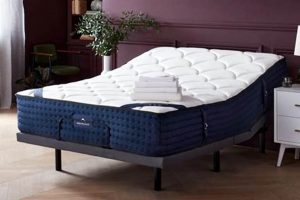
An inflatable sleeping surface specifically designed to fit a smaller bed frame is characterized by its portability and ease of storage when deflated. These surfaces provide a temporary sleeping solution and are often constructed from durable, puncture-resistant materials such as PVC or reinforced vinyl. A common application includes accommodating overnight guests in spaces where permanent bed arrangements are not feasible.
The appeal of these sleep solutions lies in their convenience and adaptability. They offer a readily available sleeping space without requiring a significant financial investment or permanent alteration to the living environment. Historically, these mattresses have evolved from basic rubberized cloth designs to sophisticated models with integrated electric pumps and enhanced comfort features like flocked surfaces and internal support structures. Their practicality has made them a popular choice for camping, temporary housing situations, and impromptu slumber parties.
The subsequent sections will delve into the factors to consider when selecting an appropriate option, including size variations, material properties, inflation/deflation mechanisms, comfort levels, and practical applications beyond typical home use. Furthermore, guidance on proper maintenance and storage techniques will be provided to maximize the lifespan and usability of this versatile sleeping accessory.
Optimizing the Use of Inflatable Single Bed Mattresses
This section provides practical advice for selecting, using, and maintaining an inflatable sleeping surface designed for a single bed frame, ensuring optimal performance and longevity.
Tip 1: Selection Based on Intended Use: Evaluate the primary application. For frequent use, prioritize thicker materials and internal support structures. For occasional use, a lighter, more portable option may suffice.
Tip 2: Consider the Inflation Method: Models with integrated electric pumps offer convenience. However, manual pumps provide versatility in locations lacking electrical outlets. Ensure the chosen method aligns with typical usage scenarios.
Tip 3: Prioritize Comfort Features: Flocked surfaces enhance comfort by reducing friction and promoting airflow. Internal coil or beam construction contributes to a more stable and supportive sleeping surface.
Tip 4: Protect Against Punctures: Utilize a protective layer between the surface and the mattress, such as a fitted sheet or thin blanket. This mitigates the risk of punctures from sharp objects and extends the lifespan of the product.
Tip 5: Proper Inflation Levels: Avoid over-inflation, which can stress the seams and compromise durability. Inflate to a level that provides adequate support without excessive rigidity. Test by applying moderate pressure; the surface should yield slightly.
Tip 6: Implement Appropriate Storage Techniques: Before storing, ensure the mattress is completely deflated and dry. Fold it neatly and store it in a cool, dry location away from direct sunlight and extreme temperatures. This prevents material degradation and mildew growth.
Tip 7: Regular Cleaning Protocols: Periodically clean the surface with a mild detergent and water solution. This removes dirt, dust, and potential allergens, maintaining hygiene and prolonging the material’s integrity.
Adhering to these guidelines enhances the user experience and maximizes the investment in an inflatable sleeping solution for a single bed.
The concluding section will summarize the key benefits and provide a final perspective on the value proposition of these portable sleep solutions.
1. Compact Sleeping Solution

The concept of a “Compact Sleeping Solution” is intrinsically linked to the characteristics and benefits of an inflatable mattress designed for a single bed. The air mattress serves as a direct embodiment of this concept, offering a sleeping surface that is both easily deployable and readily storable, occupying minimal space when not in use. This spatial efficiency is of paramount importance in environments where living space is restricted, such as apartments, dormitories, or guest rooms already furnished with other essentials.
The impact of this compactness is multifaceted. For instance, the ability to deflate and store the mattress significantly reduces clutter compared to traditional beds. A real-world example includes individuals living in small apartments who utilize such a mattress solely for occasional guests. The remainder of the time, the sleeping surface is stored discreetly, maximizing the available living area. Moreover, the lightweight nature of these mattresses, when deflated, facilitates easy transportation, rendering them suitable for travel or temporary relocation scenarios. Another scenario illustrates university students using an “air mattress for single bed” as flexible and movable during moving-out in dormitory.
In summary, the designation as a “Compact Sleeping Solution” accurately reflects the key functional advantage of an inflatable mattress for single beds. Its space-saving properties, ease of storage, and portability contribute to its value as a practical and adaptable bedding option. The challenges related to the durability and comfort of the air mattress are mitigated by the availability of advanced materials and construction techniques. By addressing these concerns and capitalizing on the inherent compactness, manufacturers can further enhance the utility and appeal of this versatile sleeping solution.
2. Portability and Storage

The intrinsic relationship between portability, storage, and inflatable single bed mattresses stems from the inherent design and intended usage of the product. The capacity to be deflated, folded, and stored in a compact manner directly impacts its portability, enabling easy transport and relocation. This feature is particularly valuable in situations where space is limited, such as small apartments, temporary housing, or travel scenarios. The ease of storage also minimizes clutter when the mattress is not in use, a key consideration for urban dwellers and those prioritizing a minimalist lifestyle.
The materials used in construction, often lightweight and durable polymers, further enhance these attributes. Consider, for example, students moving between dormitories annually; the compact size and reduced weight of such mattresses simplify the transition. Furthermore, advancements in valve technology enable rapid inflation and deflation, optimizing both the setup and storage processes. The consequence is a sleeping solution that is easily adapted to diverse environments and usage patterns. Properly stored in dry places will make the material durable.
In conclusion, the “Portability and Storage” aspects are not merely incidental features, but integral components of an inflatable single bed mattress’s overall uti
lity. This combination distinguishes it from traditional bedding solutions, offering a practical advantage in terms of space management and ease of transport. Acknowledging this relationship is crucial when evaluating the suitability of this product for specific needs and applications. The key to success is to choose the material in order to keep portability and storage features.
3. Inflation/Deflation Ease

The efficiency with which an inflatable single bed mattress can be inflated and deflated directly impacts its usability and convenience. This characteristic distinguishes it from traditional mattresses, which require significantly more effort to move and store. The ease of inflation determines how quickly a sleeping surface can be prepared for use, while the ease of deflation dictates how efficiently it can be packed away when no longer needed. The relationship between these two processes defines the practicality of the mattress as a temporary bedding solution. A mattress that is difficult to inflate or deflate diminishes its value, regardless of other potential benefits.
Integrated electric pumps exemplify the optimization of inflation ease, allowing for rapid and hands-free setup. Conversely, manually operated pumps offer a portable solution where electrical power is unavailable, albeit at the expense of increased physical exertion. The speed of deflation is often correlated with the valve design; larger valves facilitate faster air expulsion. Consider a scenario where unexpected guests arrive late at night; a mattress that can be quickly inflated provides an immediate sleeping arrangement, minimizing inconvenience. Likewise, rapid deflation allows for efficient packing and storage the following morning. Therefore, both inflation and deflation efficiency are key aspects in selecting a suitable air mattress.
In summary, inflation/deflation ease is a critical component of the overall value proposition of an inflatable mattress designed for a single bed. This feature directly influences the practicality, convenience, and ultimately, the user satisfaction associated with the product. Prioritizing models with efficient inflation and deflation mechanisms is essential for maximizing the benefits of this portable sleep solution, especially in scenarios where time and effort are constrained. Further research in advanced valve technology and pump designs is crucial for enhancing the usability of these mattresses.
4. Material Durability
The lifespan and functionality of an inflatable mattress designed for a single bed are inextricably linked to the durability of its constituent materials. The primary function of containing pressurized air necessitates robust materials capable of withstanding constant stress and potential punctures. Material failure directly results in air leakage, rendering the mattress unusable. Consequently, the selection of durable materials is paramount in ensuring the longevity and reliability of this type of bedding. The relationship is causal: superior material durability leads to extended product lifespan and resistance to common sources of damage.
Consider the practical implications of material choice. Lower-quality materials, such as thin PVC, are susceptible to tears, abrasions, and seam failures, particularly under repeated use or when exposed to uneven surfaces. Conversely, reinforced PVC, TPU (thermoplastic polyurethane), or multi-layered composites offer increased resistance to these stressors. For instance, an air mattress used frequently in camping environments requires a higher degree of puncture resistance than one used solely for occasional guests indoors. The application dictates the material requirements. Higher durability can justify the expense.
In conclusion, material durability is a critical determinant of the overall value and usability of an inflatable sleeping surface intended for single bed use. Selecting a product constructed from robust, puncture-resistant materials is essential for maximizing its lifespan and ensuring reliable performance. Neglecting this aspect can lead to premature failure and a diminished return on investment. Continuing research and development on more durable and cost-effective materials will further enhance the appeal and practicality of these portable bedding solutions.
5. Comfort and Support

The perceived utility of an air mattress designed for a single bed is directly proportional to the level of comfort and support it provides. These attributes are not merely desirable but fundamental to its function as a temporary sleeping surface. The absence of adequate comfort and support renders the mattress ineffective and undermines its practical value.
- Internal Construction and Air Distribution
The internal architecture of an air mattress significantly influences its ability to distribute weight evenly and provide adequate support. Models with horizontal or vertical air chambers, or those incorporating internal coil systems, generally offer superior weight distribution compared to simple, single-chamber designs. Uneven air distribution can lead to pressure points, resulting in discomfort and potential musculoskeletal strain. Consider the example of an individual experiencing back pain due to inadequate spinal alignment on a poorly designed air mattress.
- Surface Material and Texture
The material composition and texture of the mattress surface directly impact the tactile comfort experienced by the user. Flocked surfaces, typically made of a soft, short-pile fiber, reduce friction and promote airflow, minimizing the sensation of sleeping on plastic. Conversely, smooth PVC surfaces can be cold, sticky, and less comfortable, especially in warmer climates. The selection of appropriate surface materials enhances the overall sleeping experience.
- Inflation Level and Firmness Adjustment
The capacity to adjust the firmness of an air mattress through inflation control is critical for tailoring the support to individual preferences. Over-inflation results in a rigid surface, potentially causing discomfort, while under-inflation leads to inadequate support and a sagging sleeping surface. The ability to fine-tune the inflation level allows users to achieve optimal comfort and spinal alignment, accommodating varying body weights and sleeping positions. This adjustability contributes significantly to the user’s perception of comfort.
- Integration with Bedding and Support Structures
The use of appropriate bedding, such as mattress toppers or fitted sheets, can augment the comfort and support provided by an air mattress. A thin mattress topper can add a layer of cushioning and improve pressure distribution. Similarly, placing the air mattress on a solid foundation, such as a bed frame or a firm platform, enhances stability and prevents sagging. These supplemental elements contribute to the overall sleeping environment and mitigate some of the inherent limitations of inflatable sleeping surfaces.
The multifaceted nature of comfort and support underscores their importance in the context of air mattresses designed for single beds. While the inherent properties of inflatable sleeping surfaces pr
esent certain challenges, strategic design choices, material selections, and user adjustments can significantly enhance the sleeping experience. The ongoing development of advanced internal support systems and improved surface materials holds the potential to further bridge the gap between the comfort and support offered by traditional mattresses and their inflatable counterparts.
6. Cost-Effectiveness

The economic viability of an inflatable single bed mattress is a significant factor in its appeal, particularly for individuals and households operating under budgetary constraints. Its cost-effectiveness manifests in multiple aspects, ranging from the initial purchase price to the avoidance of expenses associated with traditional bedding solutions.
- Lower Initial Investment
The acquisition cost of an inflatable mattress is typically substantially lower than that of a conventional innerspring or memory foam mattress. This price differential makes it an attractive option for individuals needing a temporary or occasional sleeping surface, such as students, renters, or homeowners accommodating infrequent guests. The reduced upfront expense provides immediate financial relief, freeing up capital for other essential needs.
- Reduced Storage Costs
Unlike traditional mattresses, which require significant storage space, an inflatable mattress can be deflated and compactly stored when not in use. This eliminates the need for costly storage units or the inefficient utilization of living space. Consider the scenario of an apartment dweller who lacks the room for a permanent guest bed. The inflatable mattress provides a sleeping solution that can be easily stowed away, maximizing the available living area and avoiding the expense of external storage facilities.
- Minimized Transportation Expenses
The lightweight and compact nature of an inflatable mattress facilitates easy transportation, reducing moving and shipping costs. Traditional mattresses often require professional movers or specialized vehicles, incurring substantial expenses. In contrast, an inflatable mattress can be transported in a standard vehicle or even shipped via conventional postal services, minimizing logistical challenges and associated financial burdens.
- Extended Lifespan with Proper Care
While the initial purchase price is a primary consideration, the long-term cost-effectiveness of an inflatable mattress depends on its durability and lifespan. Proper care, including regular cleaning, appropriate storage, and adherence to weight limits, can significantly extend the useful life of the product, maximizing the return on investment. Investing in a higher-quality model with reinforced materials and puncture-resistant construction can further enhance its longevity, reducing the need for frequent replacements.
In conclusion, the cost-effectiveness of an inflatable single bed mattress extends beyond its affordable purchase price. The reduced storage requirements, minimized transportation expenses, and potential for extended lifespan contribute to its overall economic value. For budget-conscious consumers seeking a practical and versatile sleeping solution, the inflatable mattress presents a compelling alternative to traditional bedding options.
7. Temporary Bedding Needs
The intersection of “Temporary Bedding Needs” and the “air mattress for single bed” is defined by a direct cause-and-effect relationship. The existence of temporary bedding requirements precipitates the need for adaptable sleeping solutions, and an air mattress designed for a single bed serves as a practical response. Temporary situations demanding bedding can arise from various circumstances, including accommodating overnight guests, providing sleeping arrangements during relocation or home renovations, or fulfilling bedding requirements in temporary housing settings. The air mattress, by virtue of its portability and ease of setup, directly addresses these needs.
Understanding temporary bedding needs is paramount in evaluating the suitability of an air mattress for single beds. These needs dictate critical product attributes such as durability, comfort, and ease of storage. For instance, if the temporary bedding requirement is recurring, such as frequent guest visits, a more durable and comfortable model with integrated pump is preferable. Conversely, for infrequent, emergency use, a lighter, more economical option may suffice. Real-world examples include college students using air mattresses during dormitory move-in days, or families utilizing them while renovating bedrooms. This understanding also informs maintenance practices; an infrequently used mattress requires careful storage to prevent material degradation, while a frequently used one benefits from regular cleaning.
In summary, the connection between temporary bedding needs and air mattresses for single beds is inherently practical. By recognizing the causal relationship, assessing specific requirements, and aligning product attributes accordingly, consumers can effectively leverage these mattresses as a versatile and cost-effective solution. Challenges related to durability and comfort can be mitigated by selecting appropriate materials and construction techniques. The adaptability of the air mattress in addressing diverse temporary bedding scenarios underscores its significance as a relevant and efficient bedding alternative.
Frequently Asked Questions
This section addresses common inquiries concerning inflatable sleeping surfaces designed to fit single bed frames, providing concise and factual responses to facilitate informed decision-making.
Question 1: What is the typical weight capacity of an inflatable mattress intended for single bed use?
Weight capacity varies depending on the manufacturer and model. It is crucial to consult the product specifications before use. Exceeding the stated weight limit can compromise the integrity of the mattress and lead to premature failure. Generally, these mattresses support between 200 and 300 pounds.
Question 2: How should one properly clean and maintain an inflatable single bed mattress?
Regular cleaning with a mild detergent and water solution is recommended. Ensure the mattress is completely dry before storing it to prevent mildew growth. Avoid using harsh chemicals or abrasive cleaners. Store in a cool, dry location away from direct sunlight and sharp objects.
Question 3: Can these mattresses be used on the floor, or is a bed frame required?
While these mattresses can be used on the floor, a bed frame or platform provides increased stability and support. Using it directly on the floor increases the risk of punctures and exposure to dirt and debris.
Question 4: What materials are commonly used in the construction of these mattresses, and how do they affect durability?
Common materials include PVC (polyvinyl chloride), reinforced vinyl, and TPU (thermoplastic polyurethane). Reinforced materials and thicker gauges provide enhanced puncture resistance and overall durability. Material choice directly impacts the lifespan of the product.
Question 5: How is the firmness of these mattresses typically adjusted?
Firmness is adjusted by controlling th
e amount of air within the mattress. Most models feature a valve or pump mechanism that allows the user to add or release air to achieve the desired level of firmness. Over-inflation can damage the seams, while under-inflation provides inadequate support.
Question 6: What safety precautions should be observed when using this type of sleeping surface?
Avoid placing the mattress near open flames or heat sources. Do not allow children to use the mattress as a trampoline or play structure. Regularly inspect the mattress for signs of wear or damage. Ensure the inflation valve is securely closed to prevent air leakage.
In summary, these frequently asked questions provide essential information for understanding the capabilities, limitations, and maintenance requirements of inflatable sleeping surfaces designed for single bed use.
The subsequent section will provide a concluding overview, summarizing the key benefits and considerations when choosing and utilizing these portable sleeping solutions.
Conclusion
The preceding analysis has detailed various facets of the inflatable mattress sized for a single bed. The investigation encompassed material properties, practical applications, selection criteria, and maintenance protocols. Key benefits highlighted include its portability, storage efficiency, and economic advantages, particularly in situations necessitating temporary or infrequent bedding. Conversely, limitations regarding durability and comfort were acknowledged, alongside strategies for mitigation through careful product selection and appropriate usage practices.
The ongoing evolution of materials and design suggests future enhancements in both the robustness and comfort levels offered by these sleeping solutions. Prospective consumers should carefully weigh the identified benefits and limitations against their specific needs and circumstances to determine the suitability of an air mattress for single bed as a viable bedding alternative. Continued innovation holds the potential to further refine the performance and broaden the applicability of this portable sleep solution.