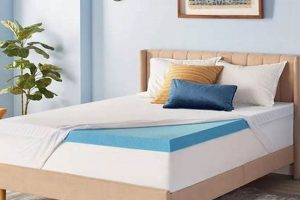
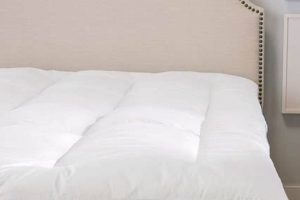
The procedure for cleaning a bed overlay using automated laundry equipment involves several key steps. This method aims to refresh and sanitize the bedding accessory, removing dust, allergens, and other accumulated debris. Successful execution requires careful attention to material type and appliance capacity to prevent damage.
Proper and regular cleaning of this bedding component extends its lifespan, contributing to a more hygienic sleep environment. Reduction of allergens like dust mites and pet dander can significantly improve air quality within the bedroom and alleviate allergy symptoms. Historically, manual cleaning methods were prevalent; however, advancements in washing machine technology have provided a more efficient and thorough cleaning process.
Understanding the composition of the material, selecting appropriate detergents, and adhering to recommended drying techniques are critical for optimal results. Subsequent sections will detail each of these considerations, providing a guide to ensure effective and safe laundering.
Washing Mattress Toppers in a Machine
Maximizing the effectiveness and safety of laundering a mattress topper requires adherence to specific guidelines. These tips address crucial aspects of the cleaning process, from pre-wash preparations to post-wash drying.
Tip 1: Verify Material Composition. Before commencing, scrutinize the manufacturer’s care label. Fiber type dictates appropriate washing temperatures and detergent choices. Memory foam, down, or synthetic fills require distinct approaches.
Tip 2: Assess Washing Machine Capacity. A fully saturated mattress topper can become exceedingly heavy. Ensure the washing machine’s load capacity is sufficient to accommodate the item without causing mechanical stress or damage.
Tip 3: Pretreat Stains. Prior to washing, address visible stains with a mild stain remover. Apply the solution directly to the affected area and allow it to sit for approximately 15-20 minutes before washing.
Tip 4: Select Appropriate Detergent. Opt for a gentle, fragrance-free detergent. Harsh chemicals can degrade certain materials or leave undesirable residues. Use the recommended amount specified by the detergent manufacturer.
Tip 5: Use a Gentle Wash Cycle. Select the gentlest wash cycle available on the machine. This minimizes agitation and reduces the risk of damaging the topper’s internal structure.
Tip 6: Consider a Second Rinse Cycle. A second rinse cycle ensures thorough removal of detergent residue. Residual detergent can attract dirt and allergens, negating the cleaning process’s benefits.
Tip 7: Implement Proper Drying Techniques. Air drying is generally recommended. If using a machine dryer, select a low-heat setting and monitor the process closely to prevent overheating or shrinkage.
These guidelines ensure not only effective cleaning but also preservation of the mattress topper’s integrity and longevity. Failure to adhere to these recommendations may result in damage, diminished performance, or voided warranties.
The subsequent section provides detailed instructions regarding the specific washing and drying processes.
1. Material
The composition of a mattress topper directly dictates the appropriate washing procedure. Various materials exhibit distinct responses to water, temperature, and agitation. Failure to account for the material’s specific properties during the cleaning process invariably results in damage, shrinkage, or degradation of the topper’s structural integrity. For instance, memory foam, a common topper material, is susceptible to crumbling when exposed to high heat and harsh detergents. Down-filled toppers, conversely, require specialized cleaning agents to prevent clumping and maintain their loft.
Consider the example of a polyester-blend topper subjected to a high-temperature wash cycle. The elevated heat can cause the synthetic fibers to melt or distort, rendering the topper uneven and uncomfortable. Conversely, a wool topper, if improperly dried, may shrink significantly, rendering it unusable. Therefore, identifying the exact material blend through the manufacturer’s label is a critical first step. The care label provides specific instructions tailored to the material’s properties, ensuring the selected washing and drying methods are compatible.
In summary, the type of material is not merely a characteristic of the topper, but a fundamental determinant of the washing method. Neglecting this factor can result in irreversible damage and a shortened lifespan. Therefore, meticulous attention to the material’s properties and adherence to the manufacturer’s care instructions are paramount for successful machine laundering.
2. Capacity
The washing machine’s capacity is a critical consideration when laundering a mattress topper. Overlooking this factor can lead to ineffective cleaning and potential damage to both the topper and the washing machine itself. Proper assessment of the appliance’s load limit is thus integral to the process.
- Load Distribution and Imbalance
An overloaded washing machine can experience uneven weight distribution during the spin cycle. This imbalance can cause the machine to vibrate excessively, potentially damaging its internal components or even causing it to move or tip over. Furthermore, inadequate space prevents the topper from moving freely, resulting in subpar cleaning as certain areas remain compressed and unexposed to the detergent.
- Water Absorption and Weight
Mattress toppers, particularly those constructed from memory foam or down, can absorb a significant amount of water. This increased weight further strains the washing machine’s motor and suspension system. A machine operating near its maximum capacity is more susceptible to premature wear and tear, leading to costly repairs or replacement. Choosing a washing machine with a large drum capacity may improve the washing result.
- Cleaning Effectiveness
Insufficient space within the washing machine hinders the effective removal of dirt, allergens, and detergents. A tightly packed topper restricts water circulation, preventing thorough cleaning and potentially leaving behind residues. These residues can attract more dirt and allergens, negating the benefits of washing the topper in the first place and potentially causing skin irritation or allergic reactions.
- Topper Damage
Overloading the washing machine can also cause damage to the mattress topper itself. The confined space and increased pressure can compress and distort the topper’s filling, leading to uneven support and reduced comfort. Delicate materials, such as down or certain synthetic blends, are particularly vulnerable to this type of
damage.
Therefore, determining the appropriate washing machine capacity is a prerequisite for effectively and safely laundering a mattress topper. Exceeding the recommended load limit can have detrimental consequences for both the appliance and the bedding accessory. Consulting the washing machine’s manual and the mattress topper’s care label provides the necessary information for making an informed decision. If unsure, opting for professional cleaning services is a prudent alternative.
3. Detergent

The selection of detergent is a pivotal aspect of laundering a mattress topper within a washing machine. Inappropriate choices can compromise the material’s integrity, reduce its lifespan, and even pose health risks. Understanding the nuances of detergent composition and its interaction with various topper materials is, therefore, essential for effective and safe cleaning.
- Impact on Material Integrity
Harsh detergents, containing strong enzymes or bleaching agents, can degrade delicate materials commonly used in mattress toppers, such as memory foam, down, and latex. These substances can cause discoloration, fiber breakdown, and reduced structural support. For example, a chlorine-based bleach used on a memory foam topper can cause it to crumble and lose its shape. Conversely, using a milder, pH-neutral detergent minimizes the risk of damaging sensitive materials, preserving the topper’s original properties and extending its lifespan.
- Residue Retention and Allergen Potential
Certain detergents, particularly those heavily scented or containing fabric softeners, can leave behind residues within the topper’s fibers. These residues can attract dirt, allergens, and dust mites, negating the purpose of cleaning. Furthermore, residual chemicals can irritate the skin, especially for individuals with sensitivities or allergies. Selecting a fragrance-free, hypoallergenic detergent reduces the risk of residue buildup and minimizes potential allergic reactions. For instance, a topper washed with a heavily perfumed detergent might trigger respiratory issues in sensitive individuals.
- Water Temperature Interaction
The efficacy of a detergent is directly linked to water temperature. Some detergents are formulated to work optimally in cold water, while others require warmer temperatures to activate their cleaning agents. Using the wrong temperature can result in incomplete stain removal or detergent residue. For example, a cold-water detergent in a cold-water cycle may not effectively remove grease or oil stains, requiring a subsequent wash. Matching the detergent’s requirements with the appropriate water temperature enhances its cleaning power and ensures thorough removal of dirt and debris.
- Concentration and Dispensing
Using excessive amounts of detergent does not necessarily equate to a cleaner topper. Over-saturation can lead to increased residue, requiring extra rinse cycles and potentially damaging the washing machine. Conversely, insufficient detergent may not adequately remove stains and odors. Adhering to the manufacturer’s recommended dosage and using a dispenser ensures the appropriate amount of detergent is used, optimizing cleaning efficacy and minimizing potential issues. In this context, always follow the amount based on manufacturers advice.
In conclusion, the correct detergent selection is not merely an ancillary consideration but an integral component of effectively laundering a mattress topper in a washing machine. Choosing a mild, fragrance-free, hypoallergenic detergent, using the appropriate water temperature, and adhering to the recommended dosage ensures thorough cleaning while preserving the topper’s integrity and minimizing potential health risks. By considering these factors, individuals can confidently wash their mattress toppers, maintaining a clean and hygienic sleep environment.
4. Temperature
Water temperature is a critical parameter when cleaning a mattress topper in a washing machine. It directly influences detergent effectiveness, material integrity, and the removal of contaminants. An inappropriate temperature can yield unsatisfactory results, potentially damaging the topper or failing to achieve adequate sanitation.
Elevated water temperatures, while potentially enhancing detergent action, pose a risk to certain materials. Memory foam, for instance, can degrade and lose its structural integrity when exposed to high heat. Conversely, cold water may not effectively dissolve certain detergents or remove greasy stains. The optimal temperature is, therefore, material-dependent. For synthetic blends, a warm temperature (around 30-40C) often strikes a balance, providing sufficient cleaning power while minimizing the risk of damage. Down-filled toppers generally require cooler temperatures (around 20-30C) to prevent clumping and maintain loft. A failure to account for material-specific temperature sensitivities can result in irreversible damage, rendering the topper unusable. One example is a wool topper, known for its tendency to shrink drastically when exposed to high heat. Washing it in hot water would cause it to lose its shape and size, diminishing its functionality.
The selection of appropriate water temperature for machine laundering a mattress topper is a crucial decision. By carefully considering the topper’s material composition and adhering to the manufacturer’s guidelines, effective cleaning and preservation of the topper’s structural integrity are more probable. Disregarding this critical variable can lead to unsatisfactory outcomes and premature degradation of the bedding accessory. The next crucial step after selecting appropriate water temperature is selecting appropriate washing cycle.
5. Cycle
The selection of an appropriate wash cycle is a critical determinant in the process of laundering a mattress topper within a washing machine. Cycle selection directly affects the level of agitation, duration of the wash, and intensity of the spin, each impacting the cleaning effectiveness and potential for damage. A delicate cycle, characterized by reduced agitation and a shorter wash time, is generally recommended for most mattress toppers. This minimizes stress on the materials, preventing excessive wear and tear, particularly for sensitive materials like memory foam or down. Conversely, a heavy-duty cycle, designed for heavily soiled items, introduces a high level of agitation that can lead to structural damage, fiber breakdown, or distortion. For instance, subjecting a feather-filled topper to a heavy-duty cycle can cause the feathers to clump together and lose their loft, rendering the topper ineffective.
The spin cycle, a phase of the wash cycle responsible for water extraction, also demands careful consideration. A high-speed spin, while efficient in removing water, can exert excessive force on the topper, potentially causing tears, compression of the filling, or damage to seams. Opting for a low-speed or no-spin cycle minimizes this risk. After washing, the method of drying chosen should be appropriate for the material to keep it last longer. Consider a memory foam topper, which subjected to a high-speed spin may become misshapen or develop internal tears due to the c
entrifugal forces. Gentle cycles and spin are essential in achieving better results.
In summation, the selection of a wash cycle is not a trivial decision but a critical factor that dictates the outcome of the cleaning process. By understanding the interplay between cycle settings, material properties, and cleaning objectives, individuals can effectively launder their mattress toppers while safeguarding their integrity and longevity. The proper cycle is essential to ensure safety and result.
6. Drying
The drying phase is a critical component of effectively laundering a mattress topper, directly influencing the final result and longevity of the item. Improper drying techniques, subsequent to washing, can negate the benefits of the cleaning process, leading to irreversible damage or fostering environments conducive to microbial growth. The connection between washing and drying is therefore inseparable, requiring a cohesive approach to ensure a sanitized and structurally sound mattress topper.
Consider the scenario where a memory foam mattress topper is subjected to high heat in a conventional dryer. The elevated temperature can cause the foam to break down, lose its resilience, and become misshapen. Alternatively, if a down-filled topper is not thoroughly dried, residual moisture can lead to clumping of the feathers, fostering mold and mildew growth, rendering the topper unusable. These examples underscore the importance of selecting a drying method appropriate for the topper’s material composition. Air drying, often the preferred method, allows for gradual moisture evaporation, minimizing the risk of heat-induced damage. However, air drying requires adequate ventilation and can be time-consuming, potentially necessitating several hours or even days to achieve complete dryness. The drying cycle must be completed before it can be re used for sleeping.
In summary, the drying process is not merely a post-washing step but an integral component of the entire cleaning procedure. Selecting an appropriate drying method, whether air drying or low-heat machine drying, is crucial for preserving the structural integrity and sanitation of the mattress topper. A comprehensive understanding of material properties and adherence to recommended drying techniques are essential for maximizing the lifespan and hygiene of this bedding accessory. The last step of the process is the inspection, which is necessary to assure proper cleaning before reuse.
7. Inspection
The process of laundering a mattress topper in a washing machine culminates in a thorough inspection, a step inextricably linked to the preceding cleaning efforts. This examination serves as a critical verification point, ensuring the removal of stains, the absence of residual detergent, and the overall structural integrity of the topper have been maintained throughout the wash and dry cycles. The effectiveness of the entire cleaning process is ultimately contingent upon the rigor and diligence applied during this final assessment. For example, a seemingly clean topper may harbor unseen detergent residue that can subsequently attract allergens and cause skin irritation. This potential issue can only be identified through careful inspection. Without a final inspection, the whole process will be incomplete.
A comprehensive inspection involves visual examination under adequate lighting, tactile assessment for residual dampness, and olfactory evaluation for lingering odors. Particular attention should be paid to areas prone to staining, such as those exposed to body oils or spills. Seams and edges should be scrutinized for signs of damage or fraying caused by the washing or drying process. The topper should be closely checked so there won’t be any more cleaning needed to assure proper cleaning condition. The inspection phase serves as an opportunity to address any shortcomings identified. Stains that persist may require targeted treatment and re-washing, while lingering odors may necessitate additional airing. This iterative approach ensures a thoroughly cleaned and sanitized mattress topper, ready for renewed use.
In conclusion, the inspection phase transcends a mere formality; it represents the definitive validation of the entire mattress topper laundering process. Its omission undermines the effectiveness of the preceding steps and can compromise both the hygiene and longevity of the bedding accessory. By prioritizing thorough inspection, individuals can confidently ensure a clean, comfortable, and healthy sleep environment. Inspection for a clean and proper washing result is a must.
Frequently Asked Questions
This section addresses common inquiries regarding the proper methodology for cleaning mattress toppers using a washing machine. The information presented aims to provide clarity and guidance for maintaining the hygiene and longevity of these bedding accessories.
Question 1: Is it universally safe to launder all mattress toppers in a washing machine?
No, the suitability of machine laundering depends primarily on the topper’s material composition. Certain materials, such as memory foam or delicate natural fibers, may be damaged by the agitation and heat involved in machine washing. Always consult the manufacturer’s care label for specific instructions.
Question 2: What is the optimal water temperature for laundering a mattress topper?
The optimal water temperature varies depending on the material. Generally, cold or lukewarm water is recommended to prevent shrinkage or damage to delicate fibers. Refer to the care label for precise temperature recommendations.
Question 3: Which type of detergent is best suited for washing a mattress topper?
A mild, fragrance-free, and hypoallergenic detergent is generally recommended. Harsh chemicals and fragrances can irritate the skin and degrade certain materials. Powder and liquid detergents works depending on needs.
Question 4: How frequently should a mattress topper be laundered?
The frequency of laundering depends on individual usage and environmental factors. As a general guideline, washing a mattress topper every 2-3 months is advisable. More frequent cleaning may be necessary for individuals with allergies or sensitivities.
Question 5: Can a mattress topper be machine-dried?
Machine drying is not universally recommended. High heat can damage certain materials, leading to shrinkage or distortion. Air drying is generally preferred, although some toppers may be tumble-dried on a low-heat setting. Always consult the care label.
Question 6: What steps should be taken to address stains on a mattress topper before washing?
Pre-treating stains with a mild stain remover is recommended. Apply the stain remover directly to the affected area and allow it to sit for 15-20 minutes before laundering. Avoid using harsh chemicals or abrasive cleaners.
Effective laundering of a mattress topper necessitates careful consideration of material composition, water temperature, detergent selection, and drying methods. Adhering to manufacturer guidelines ensures both hygiene and the preservation of the topper’s structural integrity.
The following section provides information on alternative cleaning methods for mattress toppers that are not suitable for machine washing.
Conclusion
Effective execution of
The decision to clean a mattress topper within a washing machine should be predicated on a thorough evaluation of the associated risks and benefits. While providing a convenient cleaning solution, the process demands careful execution to preserve the topper’s integrity and prolong its lifespan. Consistent monitoring of the topper’s condition and prompt addressing of stains or odors remain essential components of a comprehensive maintenance strategy.