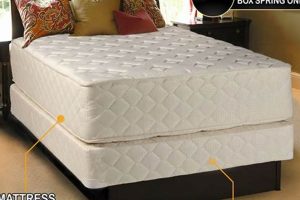
The pairing of a large-sized sleeping surface with a supportive foundation is a common bed configuration. The upper component provides cushioning and conforms to the sleeper’s body, while the lower component offers structural stability and elevates the sleeping surface to a comfortable height. This combination represents a significant investment in sleep quality and overall well-being.
The advantages of this setup include enhanced comfort, improved support, and increased longevity of the primary sleeping surface. The foundation absorbs impact and distributes weight, preventing premature sagging and wear. Historically, these foundations were constructed with internal springs for added resilience, but modern alternatives often utilize solid platforms or wooden slats. The size of the mattress allows for more space and reduces the likelihood of disturbing a sleep partner.
This foundation system provides a framework for exploring various options in materials, construction methods, and feature sets that affect sleep quality and comfort. These considerations will be detailed in subsequent sections focusing on mattress types, foundation materials, and factors to consider when making a purchase.
Considerations for Selecting a King Mattress and Foundation
Choosing a suitable oversized mattress and its corresponding foundation requires careful consideration of several factors. These elements impact comfort, support, and the overall lifespan of the sleep system. Prioritizing these tips ensures a more informed purchasing decision.
Tip 1: Evaluate Sleeping Preferences. Consider preferred sleeping positions, firmness levels, and temperature regulation needs. Side sleepers may benefit from a softer mattress, while back and stomach sleepers may require firmer support. Those who sleep hot should look for cooling technologies in the mattress and breathable foundation materials.
Tip 2: Assess Foundation Compatibility. Ensure the chosen foundation is compatible with the mattress type. Innerspring mattresses often pair well with traditional spring box springs or solid platforms. Foam mattresses typically require a solid or slatted foundation for adequate support and ventilation. Using an incompatible foundation may void the mattress warranty.
Tip 3: Measure the Bedroom Space. Accurately measure the available space in the bedroom to ensure the combined dimensions of the mattress and foundation fit comfortably. Account for adequate space around the bed for movement and other furniture.
Tip 4: Research Mattress Materials. Explore different mattress materials, such as innerspring, memory foam, latex, and hybrid options. Each material offers unique characteristics in terms of comfort, support, and durability. Understanding these differences will aid in selecting the most suitable option.
Tip 5: Inspect Foundation Construction. If opting for a traditional box spring, examine the quality of the internal springs and the surrounding frame. Solid platforms should be constructed from durable materials, such as hardwood, to provide long-lasting support. Slatted foundations should have closely spaced slats to prevent mattress sagging.
Tip 6: Understand Warranty Terms. Carefully review the warranty terms for both the mattress and the foundation. Pay attention to coverage details, limitations, and any specific requirements for maintaining the warranty. Improper foundation usage can sometimes void the mattress warranty.
Tip 7: Consider the Budget. Establish a realistic budget for the purchase, taking into account the long-term investment in sleep quality. While less expensive options may be tempting, prioritizing quality and durability will ultimately provide better value.
Following these guidelines facilitates an informed selection, contributing to improved sleep quality, enhanced comfort, and a more supportive and durable sleeping environment.
The subsequent sections of this article will delve further into specific mattress and foundation types, offering detailed comparisons and recommendations to aid in the purchase process.
1. Dimensions

The physical dimensions of a king mattress and its corresponding foundation are fundamental considerations that influence bedroom layout, comfort, and overall sleep experience. Careful assessment of space and compatibility is essential for optimal use.
- Mattress Size and Room Proportion
The standard king mattress measures approximately 76 inches in width and 80 inches in length. This substantial size requires a correspondingly large bedroom to ensure comfortable movement and prevent overcrowding. A room that is too small can make the bed feel disproportionately large, negatively impacting the overall aesthetic and functionality of the space.
- Foundation Height and Bed Height
The height of the foundation significantly contributes to the overall height of the bed. Low-profile foundations create a more modern, minimalist look, while taller foundations elevate the mattress for easier access. Consideration of individual preferences and physical capabilities is important in determining the appropriate foundation height. For example, individuals with mobility issues may prefer a higher bed for easier entry and exit.
- Weight Distribution and Support
The dimensions of the foundation are directly related to its ability to evenly distribute the weight of the mattress and occupants. A properly sized and constructed foundation provides consistent support across the entire mattress surface, preventing sagging and prolonging the lifespan of the mattress. Uneven weight distribution can lead to discomfort and premature wear.
- Compatibility with Bed Frames
The dimensions of both the mattress and the foundation must be compatible with the selected bed frame, if one is used. Standard king-size bed frames are designed to accommodate the specified dimensions, ensuring a secure and aesthetically pleasing fit. Using an incompatible frame can compromise the structural integrity of the bed and potentially damage the mattress or foundation.
Understanding the dimensional aspects of a king mattress and its foundation is critical for creating a comfortable, supportive, and visually appealing sleep environment. Proper planning and measurement are essential to avoid issues related to space constraints, support deficiencies, and compatibility problems. These considerations are integral to maximizing the value and longevity of the investment in a king-size sleep system.
2. Support System

The support system within a king mattress and its accompanying foundation dictates the level of comfort, spinal alignment, and overall durability experienced during sleep. Its characteristics are paramount in determining the quality and longevity of the sleep surface.
- Innerspring Coils
Innerspring systems utilize interconnected or individually wrapped coils to provide support. Coil gauge and configuration affect firmness and responsiveness. A higher coil count generally indicates enhanced support and reduced motion transfer. The type of coil system, such as Bonnell, offset, or pocketed coils, also influences the overall feel and durability of the mattress. The gauge of the steel impacts the firmness and resistance to compression over time. For a king-size mattress, a robust innerspring system is essential to adequately support two sleepers.
- Foam Density and Composition
Foam-based support systems rely on the density and composition of materials like memory foam, latex, or polyurethane foam. Higher density foams offer greater support and resistance to compression, contributing to improved spinal alignment and reduced sagging. The specific type of foam affects its responsiveness, breathability, and ability to contour to the body. Latex, for instance, is known for its resilience and natural ventilation, while memory foam excels at pressure relief but may retain heat. Layering different foam types allows manufacturers to tailor the support and comfort characteristics of the mattress.
- Hybrid Construction
Hybrid mattresses combine elements of both innerspring and foam systems to achieve a balance of support, comfort, and responsiveness. Typically, a hybrid mattress features a coil base for structural support and layers of foam for pressure relief and contouring. This construction aims to leverage the benefits of each material, offering a supportive core with a comfortable sleeping surface. The arrangement and thickness of the foam layers, as well as the type of coil system used, influence the overall performance of the hybrid mattress.
- Foundation Structure and Stability
The foundation beneath the mattress plays a critical role in the overall support system. Traditional box springs, solid platforms, and slatted foundations each offer different levels of support and impact the feel of the mattress. A weak or incompatible foundation can compromise the support provided by the mattress, leading to premature sagging and reduced comfort. The foundation must be sturdy and designed to evenly distribute weight across the entire mattress surface to ensure proper spinal alignment and prevent long-term damage.
The multifaceted nature of the support system within a king mattress setup necessitates careful consideration of individual preferences and needs. The interplay between innerspring coils, foam density, hybrid construction techniques, and foundation stability collectively determines the sleep quality and longevity of the overall system, making it a crucial factor in the purchasing decision. An inadequate support system will lead to discomfort, poor spinal alignment, and a shorter lifespan for the investment, while a well-designed system promotes restful sleep and long-term durability.
3. Material Composition

The material composition of a king mattress and its corresponding foundation directly influences comfort, durability, support, and the overall sleep experience. The selection of materials affects temperature regulation, motion isolation, and the lifespan of the product. The core components of the mattress, such as the comfort layers and support core, are constructed from varied materials, each with unique properties that contribute to the final product’s characteristics. For example, a king mattress incorporating memory foam will contour to the body, providing pressure relief, while one utilizing latex may offer greater resilience and breathability. Similarly, the foundation’s materials, whether wood, steel, or fabric, determine its ability to support the mattress and distribute weight effectively. Disparities in material quality and construction can significantly impact the bed’s structural integrity and its capacity to provide consistent support over time. The choice of materials also impacts the weight of both components and the ease of moving them.
Real-world examples illustrate the practical significance of material composition. Mattresses incorporating low-density foams may exhibit premature sagging and reduced support, resulting in discomfort and potential spinal misalignment. Conversely, those utilizing high-density foams or robust innerspring systems tend to maintain their shape and support capabilities for a longer duration. Furthermore, the foundations material affects its ability to withstand the weight of the mattress and occupants. A poorly constructed foundation, using low-grade wood or flimsy metal, may warp or break under the weight, compromising the entire sleep system. The choice of materials in the outer covering or ticking also influences breathability and allergen resistance. Materials like organic cotton or bamboo can enhance airflow and minimize the risk of allergic reactions, while synthetic fabrics may trap heat and moisture, leading to discomfort. The practical knowledge of these material properties informs purchasing decisions and helps consumers select a product aligned with their specific needs and preferences.
In summary, the material composition of a king mattress and foundation constitutes a critical determinant of its performance, longevity, and user satisfaction. Understanding the properties of different materials allows for informed purchasing decisions that prioritize comfort, support, and durability. Challenges arise in navigating the vast array of material options and marketing claims. A discerning approach that focuses on material density, construction quality, and independent certifications contributes to a successful selection process. These considerations tie directly into the broader theme of investing in sleep quality through informed choices and a comprehensive understanding of product attributes.
4. Foundation Compatibility
Foundation compatibility represents a crucial aspect of selecting a king mattress and its appropriate support structure. Ensuring proper alignment between these two components is essential for maximizing the mattress’s lifespan, maintaining its intended comfort level, and upholding warranty requirements.
- Mattress Type and Foundation Design
Different mattress types necessitate specific foundation designs to provide adequate support. Innerspring mattresses, for instance, often pair well with traditional box springs, which offer a degree of flex and shock absorption. Conversely, foam mattresses, such as memory foam or latex, generally require a solid or slatted foundation to prevent sagging and ensure proper weight distribution. Using an incompatible foundation can compromise the mattress’s structural integrity and lead to premature wear.
- Warranty Implications
Most mattress manufacturers stipulate foundation requirements within their warranty agreements. Failure to adhere to these guidelines can void the warranty, leaving the consumer responsible for any defects or issues that arise due to improper support. It is imperative to review the warranty terms carefully and select a foundation that meets the manufacturer’s specifications.
- Support and Spinal Alignment
The foundation plays a critical role in maintaining proper spinal alignment during sleep. An inadequate foundation can cause the mattress to sag or lose its shape, leading to discomfort and potential back pain. A compatible foundation provides consistent support across the entire mattress surface, ensuring that the spine remains properly aligned throughout the night.
- Height and Accessibility
The combined height of the mattress and foundation influences the overall bed height, which affects accessibility and comfort. A bed that is too low may be difficult to get in and out of, while one that is too high can be equally challenging. The foundation should be chosen to achieve a comfortable bed height that accommodates the individual’s physical needs and preferences.
The concept of foundation compatibility extends beyond mere physical dimensions and encompasses structural support, warranty considerations, and user comfort. Careful attention to these factors when selecting a foundation for a king mattress ensures optimal performance, longevity, and a restful sleep experience. Ignoring these considerations can lead to compromised sleep quality, reduced mattress lifespan, and potential financial repercussions.
5. Longevity Expectation
The longevity expectation of a king mattress and its accompanying foundation represents a significant factor influencing the purchase decision. The anticipated lifespan directly correlates with the overall value proposition, justifying the initial investment based on long-term performance and cost-effectiveness. Understanding the elements that contribute to or detract from the durability of these items is essential for making an informed choice.
- Material Quality and Construction Standards
The materials used in both the mattress and the foundation critically impact their lifespan. High-density foams, robust innerspring systems, and durable fabrics contribute to extended durability, while lower-quality materials are prone to premature wear and degradation. Construction standards, including reinforced stitching, sturdy frame construction, and proper assembly techniques, also play a vital role in resisting sagging, deformation, and structural failure. For instance, a mattress with high-density memory foam and individually wrapped coils, paired with a foundation constructed from solid hardwood, will typically exhibit a longer lifespan than a mattress with low-density foam and interconnected coils on a foundation made of particleboard.
- Usage Patterns and Weight Distribution
The frequency and intensity of use, as well as the weight distribution on the mattress, significantly affect its longevity. Consistent heavy loads, uneven weight distribution, and lack of proper rotation can accelerate wear and tear, leading to localized sagging and reduced support. Couples with significant weight differences may experience uneven compression, impacting the mattress’s overall lifespan. The foundation’s ability to evenly distribute weight across the mattress is equally important; a weak or damaged foundation can compromise the mattress’s support and reduce its lifespan.
- Maintenance Practices and Environmental Factors
Regular maintenance practices, such as rotating the mattress, using a mattress protector, and avoiding excessive moisture or spills, contribute to extending its lifespan. Exposure to direct sunlight, extreme temperatures, and humidity can degrade materials over time, leading to premature breakdown. Properly cleaning spills and stains prevents permanent damage and reduces the risk of mold or mildew growth, both of which can significantly shorten the mattress’s lifespan. The foundation should also be kept clean and free from pests to prevent damage to its structural components.
- Warranty Coverage and Manufacturer Reputation
Warranty coverage provides a degree of assurance regarding the manufacturer’s confidence in the product’s durability and longevity. A longer warranty period typically indicates a higher expectation of lifespan. Manufacturer reputation is also a factor; established brands with a history of producing high-quality, durable mattresses and foundations are generally more reliable than lesser-known brands. However, it is crucial to carefully review the warranty terms and conditions, as they may contain limitations and exclusions that affect the actual coverage provided.
The expected lifespan of a king mattress and foundation is a multifaceted consideration that encompasses material quality, usage patterns, maintenance practices, and warranty coverage. A comprehensive understanding of these factors enables consumers to make informed purchasing decisions that align with their individual needs and expectations, ultimately maximizing the long-term value and satisfaction derived from the sleep system. An investment in higher-quality materials and proper maintenance often translates to a longer lifespan and reduced overall cost of ownership. These facets help solidify the relationship and importance of investing in a king mattress and box spring.
Frequently Asked Questions
The following questions address common concerns and misconceptions regarding king-size mattresses and their corresponding foundations. The responses aim to provide clarity and inform purchasing decisions.
Question 1: What are the standard dimensions of a king-size mattress and foundation?
A standard king mattress typically measures 76 inches in width and 80 inches in length. The foundation dimensions should precisely match these measurements to provide adequate support.
Question 2: What type of foundation is most suitable for a memory foam king mattress?
Memory foam mattresses generally require a solid or slatted foundation. These foundations prevent sagging and provide a stable, even surface for the mattress to rest upon. Box springs are generally not recommended for memory foam mattresses.
Question 3: How often should a king mattress be rotated?
It is advisable to rotate a king mattress every three to six months. This practice promotes even wear and helps to prevent localized sagging, extending the lifespan of the mattress.
Question 4: Can an old box spring be used with a new king mattress?
Using an old box spring with a new mattress is generally discouraged. An old box spring may lack the necessary support, potentially damaging the new mattress and voiding its warranty. It is recommended to purchase a new, compatible foundation alongside the new mattress.
Question 5: What are the key differences between a traditional box spring and a platform foundation?
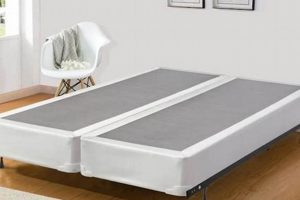
A traditional box spring typically contains internal springs that provide a degree of flex and shock absorption. A platform foundation, on the other hand, is a solid or slatted structure that offers firm, even support. The choice depends on the mattress type and desired level of support.
Question 6: How does the weight capacity of a king-size foundation impact its longevity?
The weight capacity of the foundation directly affects its ability to withstand the combined weight of the mattress and occupants. Exceeding the weight capacity can lead to structural damage and premature failure. Choosing a foundation with an appropriate weight capacity is crucial for ensuring long-term support and durability.
Selecting the appropriate king mattress and foundation requires careful consideration of several factors. Understanding these aspects contributes to improved sleep quality and long-term satisfaction.
The next section will delve into common issues associated with mismatched mattress and foundation combinations and provide solutions to mitigate these problems.
Conclusion
This article has explored the multifaceted considerations surrounding the purchase and utilization of a king mattress and its corresponding box springs. Key aspects such as dimensions, support systems, material composition, foundation compatibility, and longevity expectations have been thoroughly examined. The interaction between these elements dictates the overall comfort, durability, and value derived from the sleep system. The information presented aims to provide a clear understanding of the factors that contribute to an informed purchasing decision.
The selection of a suitable king mattress and the box springs is a significant investment in long-term sleep quality and well-being. Prudent evaluation of individual needs, careful consideration of product attributes, and adherence to recommended maintenance practices will maximize the benefits and ensure sustained satisfaction. Prioritizing quality and compatibility is essential for optimizing the lifespan and performance of the chosen sleep system.
![Find Your Best Boxed Mattress: [Brand] & Beyond | Organic & Natural Mattress Buyer’s Guide: Non-Toxic Sleep Solutions](https://mattressworldpa.com/wp-content/uploads/2025/07/th-3469-300x200.jpg "Find Your Best Boxed Mattress: [Brand] & Beyond Organic & Natural Mattress Buyer’s Guide: Non-Toxic Sleep Solutions")
![Top Queen Size Mattress & Box Spring Sets [Guide] | Organic & Natural Mattress Buyer’s Guide: Non-Toxic Sleep Solutions](https://mattressworldpa.com/wp-content/uploads/2025/07/th-3468-300x200.jpg "Top Queen Size Mattress & Box Spring Sets [Guide] Organic & Natural Mattress Buyer’s Guide: Non-Toxic Sleep Solutions")
![Best Box Spring for King Mattress [Guide] + Reviews | Organic & Natural Mattress Buyer’s Guide: Non-Toxic Sleep Solutions](https://mattressworldpa.com/wp-content/uploads/2025/07/th-3467-300x200.jpg "Best Box Spring for King Mattress [Guide] + Reviews Organic & Natural Mattress Buyer’s Guide: Non-Toxic Sleep Solutions")