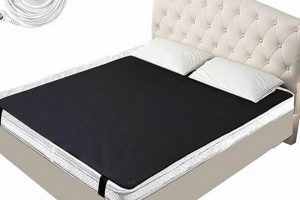
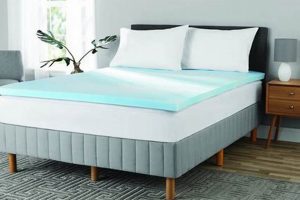
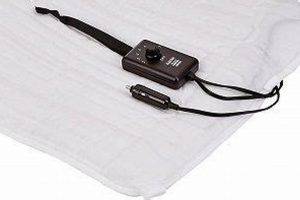
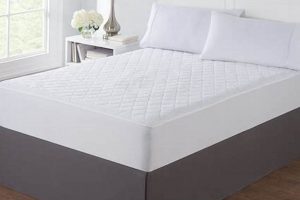
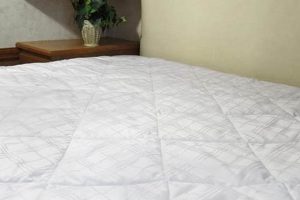
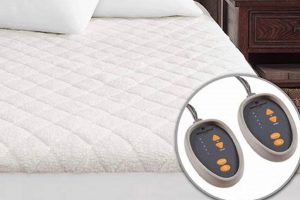
These sleep surface enhancements integrate magnets into their design, typically within a padded layer intended to be placed on top of a conventional mattress. The magnets are strategically positioned to create a static magnetic field intended to interact with the body during sleep. Available in various sizes and configurations, these pads aim to provide a comfortable and potentially therapeutic addition to a sleep environment.
Proponents suggest potential benefits ranging from improved sleep quality to reduced pain and inflammation. The underlying principle often cited involves the interaction of the magnetic field with the body’s natural electrical and magnetic fields, potentially influencing circulation and cellular function. Historically, the use of magnets for therapeutic purposes dates back centuries, with modern applications focusing on enhancing well-being through non-invasive methods.
The subsequent sections will delve into the science behind these products, examine available research on their efficacy, explore different types and features, and provide guidance on selecting the right option, including considerations for safety and potential drawbacks. These factors are important for informed consumer decision-making.
Magnetic Mattress Pad
The following guidelines offer practical advice for individuals considering or currently using sleep products incorporating magnetic technology.
Tip 1: Consult Healthcare Professionals: Prior to use, individuals with implanted medical devices, such as pacemakers, or pre-existing health conditions should seek guidance from a qualified physician. Magnetic fields may interact with electronic devices or influence certain medical conditions.
Tip 2: Verify Magnetic Field Strength: Evaluate the magnetic field strength of the pad, typically measured in Gauss. Research suggests that higher field strengths may not necessarily correlate with greater therapeutic benefits. Consider moderate strengths initially.
Tip 3: Ensure Proper Mattress Compatibility: Consider the thickness and material composition of the existing mattress. The pad should conform appropriately to the mattress surface to maintain comfort and ensure consistent magnetic field exposure.
Tip 4: Monitor Sleep Environment Temperature: Certain materials used in the pad’s construction may influence temperature regulation. Assess the potential impact on sleep temperature and consider breathable materials to mitigate overheating.
Tip 5: Adhere to Cleaning Instructions: Follow the manufacturer’s specific cleaning instructions meticulously. Improper cleaning techniques can damage the magnets or compromise the pad’s structural integrity.
Tip 6: Observe for Adverse Reactions: During the initial period of use, closely monitor for any adverse reactions, such as skin irritation, discomfort, or changes in sleep patterns. Discontinue use if unfavorable effects are observed.
Tip 7: Rotate Pad Periodically: To ensure uniform wear and consistent magnetic field exposure across the sleep surface, rotate the pad periodically, typically every few months.
Adhering to these tips will optimize the user experience with magnetic sleep aids, enhancing comfort, safety, and potentially maximizing the intended benefits.
The subsequent sections will provide deeper understanding about benefits.
1. Magnet Strength

Magnet strength, measured in units such as Gauss or Tesla, is a fundamental property influencing the theoretical efficacy of magnetic mattress pads. The intensity of the magnetic field generated by these pads is posited to interact with the human body, and variations in magnet strength may affect the magnitude of this interaction.
- Field Penetration
Higher magnet strengths generally correlate with deeper magnetic field penetration into bodily tissues. The ability of the magnetic field to reach deeper structures may influence its potential impact on circulation and cellular activity. However, increased penetration does not automatically equate to enhanced therapeutic effects.
- Polarity Configuration
The arrangement of magnetic poles (north and south) within the pad influences the distribution and shape of the magnetic field. Unipolar arrangements expose the body to a single pole, while bipolar arrangements create alternating fields. The chosen polarity configuration impacts the potential physiological response.
- Magnetic Gradient
The magnetic gradient refers to the rate of change in magnetic field strength over a given distance. Steeper gradients may induce stronger electrical currents in tissues, potentially influencing cellular function. However, excessively steep gradients might also induce undesirable effects.
- Static vs. Dynamic Fields
Magnetic mattress pads typically employ static magnetic fields, meaning the field strength remains constant over time. In contrast, pulsed electromagnetic field (PEMF) devices generate dynamic fields that vary in intensity and frequency. The type of magnetic field employed may affect the cellular response.
The interplay between magnet strength, polarity, gradient, and field type dictates the overall characteristics of the magnetic field generated by these pads. Understanding these facets is crucial when evaluating potential benefits and safety considerations associated with magnetic mattress pad utilization.
2. Material Composition

The materials used in the construction of sleep products integrating magnetic technology are integral to their functionality, comfort, durability, and safety. Material choice directly impacts the pad’s ability to effectively deliver the intended magnetic field and influences the overall sleep experience.
- Surface Fabric
The fabric layer in direct contact with the sleepers skin plays a crucial role in breathability, moisture-wicking, and allergy potential. Natural fibers like cotton or bamboo may offer enhanced breathability and reduced allergenic properties compared to synthetic alternatives such as polyester. Fabric construction, including weave and thread count, influences both durability and tactile feel.
- Padding Layer
The padding layer provides cushioning and support, influencing overall comfort. Materials such as memory foam, latex, or fiberfill are commonly employed. Memory foam offers pressure relief but may retain heat. Latex provides responsiveness and breathability. Fiberfill offers a cost-effective option but may compress over time. The density and thickness of the padding material affect its performance characteristics.
- Magnetic Component Housing
The method of encasing and securing the magnets within the pads structure impacts their stability
and prevents direct contact with the body. Materials like non-woven fabrics or specialized pockets are frequently used. The housing material should be durable and resistant to degradation to ensure long-term magnet retention. Improper housing can lead to magnet displacement and uneven magnetic field distribution. - Adhesives and Binding Agents
Adhesives and binding agents are employed to bond various layers of the pad together. The selection of non-toxic, low-VOC (volatile organic compound) adhesives is important to minimize potential off-gassing and health concerns. Adhesive failure can lead to delamination of the pad layers, reducing its functionality and lifespan.
These material considerations collectively determine the overall performance and suitability of magnetic-integrated sleep products. Evaluating material properties alongside magnetic field characteristics is important when selecting such a product. For example, a pad with high-strength magnets but a poorly constructed or allergenic surface fabric may offer questionable overall benefit. Further, pad configuration also play a role in sleep enhancement.
3. Pad Configuration

The configuration of a magnetic mattress pad, specifically the arrangement, density, and orientation of the embedded magnets, directly influences its effectiveness and suitability for individual needs. These factors determine the distribution and intensity of the magnetic field across the sleep surface, impacting the potential therapeutic effect. A pad with sparsely distributed magnets may provide a weaker, less consistent field than one with a higher density of magnets strategically placed to target specific areas of the body. For instance, pads designed to alleviate lower back pain often feature a higher concentration of magnets in the lumbar region.
The orientation of the magnets, whether unipolar or bipolar, further alters the nature of the magnetic field. Unipolar arrangements create a consistent field of one polarity, while bipolar arrangements alternate polarity across the surface. This variation can affect the potential physiological response, with some theories suggesting that alternating polarities stimulate circulation more effectively. An illustrative example is the difference between a uniformly magnetized pad versus one with distinct zones of alternating north and south polarity, each potentially offering different benefits. Therefore, selecting a pad configuration requires understanding the intended use case and individual needs.
In summary, pad configuration is a critical determinant of the magnetic field characteristics generated by sleep aids. Understanding the relationship between magnet arrangement, density, orientation, and targeted therapeutic effects is paramount for making informed purchase decisions. Consumers should carefully evaluate these configuration aspects to ensure the pad aligns with their specific needs and comfort preferences, while also considering potential contraindications related to magnetic field exposure.
4. Body Interaction
The interaction between the human body and a magnetic mattress pad is posited on the premise that static magnetic fields can influence physiological processes. This interaction is a central component to the theoretical benefits attributed to these pads, involving potential effects on circulation, cellular activity, and pain perception. For example, proponents suggest that the magnetic field may cause dilation of blood vessels, thereby increasing blood flow to the affected area and facilitating the delivery of oxygen and nutrients. Real-life anecdotes often cite a reduction in chronic pain symptoms, potentially linked to the modulation of nerve signals by the magnetic field.
However, the precise mechanisms governing this interaction remain a subject of ongoing scientific investigation. While some in vitro and in vivo studies have demonstrated measurable effects of magnetic fields on cellular function, translating these findings to clinically significant outcomes in humans requires further rigorous research. The magnitude of the magnetic field, its distribution across the pad surface, and the individual’s physiological characteristics all contribute to the complexity of this interaction. For example, individuals with pre-existing circulatory conditions may experience varying responses compared to healthy individuals.
In summary, the body’s interaction with a magnetic mattress pad is a complex and multifaceted phenomenon. While anecdotal evidence and preliminary research suggest potential benefits, the scientific understanding of the underlying mechanisms is incomplete. The practical significance of this interaction lies in its potential to offer non-invasive pain relief and improved sleep quality. However, consumers should approach these products with realistic expectations and consult healthcare professionals before incorporating them into their wellness routines, particularly in the presence of underlying medical conditions.
5. Perceived Benefits
The subjective experiences reported by users of magnetic mattress pads represent a significant aspect of their appeal, influencing purchasing decisions and shaping expectations. These perceived benefits encompass a range of physical and psychological effects, despite the ongoing scientific debate regarding their objective validity.
- Pain Reduction
A commonly cited benefit is the alleviation of chronic pain, particularly in areas such as the back, neck, and joints. Users often attribute this effect to the supposed ability of magnetic fields to reduce inflammation and promote circulation. For instance, individuals with arthritis may report reduced stiffness and discomfort after sleeping on such a pad. However, it is important to acknowledge the potential influence of the placebo effect in these subjective assessments.
- Improved Sleep Quality
Many users claim that magnetic mattress pads contribute to deeper, more restful sleep. This perceived improvement may stem from a reduction in pain or discomfort, leading to fewer sleep disturbances. Others suggest that the magnetic field promotes relaxation and reduces stress levels, thereby facilitating sleep onset and maintenance. However, variations in individual sleep patterns and pre-existing conditions can significantly influence these outcomes.
- Enhanced Circulation
Proponents often suggest that magnetic fields improve blood flow, leading to enhanced circulation and oxygen delivery to tissues. This perceived benefit is linked to the theoretical ability of magnetic fields to dilate blood vessels and reduce blood viscosity. For example, users may report reduced swelling and improved skin tone, attributing these changes to enhanced circulation. Objective measurements of blood flow are needed to substantiate these claims.
- Increased Energy Levels
Some users report feeling more energized and refreshed after sleeping on a magnetic mattress pad. This perceived increase in energy levels may be a secondary effect of improved sleep quality and reduced pain. Enhanced circulation and cellular oxygenation are also cited as potential contributing factors. Howe
ver, lifestyle factors such as diet, exercise, and stress levels can also significantly influence energy levels, making it difficult to isolate the specific contribution of the magnetic mattress pad.
These perceived benefits, while compelling to many users, should be viewed with critical awareness. While some individuals experience tangible improvements in pain, sleep, circulation, and energy levels, the objective evidence supporting these claims remains limited. The potential role of the placebo effect, individual variations in physiology, and confounding lifestyle factors should be carefully considered when evaluating the subjective experiences associated with magnetic mattress pads.
6. Potential Risks

The utilization of sleep products incorporating magnetic technology warrants careful consideration of potential risks, particularly for specific populations or individuals with pre-existing medical conditions. While generally considered safe for the majority of users, certain factors can elevate the likelihood of adverse effects, necessitating informed decision-making.
- Interference with Medical Devices
Individuals with implanted medical devices, such as pacemakers or defibrillators, face a potential risk of interference from the magnetic fields generated by mattress pads. These fields can disrupt the proper functioning of such devices, leading to serious health consequences. Manufacturers of medical devices typically provide guidelines regarding proximity to magnetic fields, which should be strictly adhered to. Consultation with a cardiologist or other relevant specialist is strongly recommended before using magnetic sleep products.
- Adverse Reactions in Sensitive Individuals
A subset of the population may exhibit heightened sensitivity to magnetic fields, experiencing adverse reactions such as headaches, dizziness, or skin irritation. While the underlying mechanisms remain unclear, these reactions can significantly impact quality of life. Discontinuation of use typically resolves these symptoms. Patch testing may be considered to assess individual sensitivity to the materials used in the mattress pad’s construction.
- Unsubstantiated Health Claims
The marketing of magnetic mattress pads often includes unsubstantiated health claims, potentially misleading consumers into believing they offer guaranteed therapeutic benefits. Relying solely on these claims can lead to delayed or inappropriate medical care for underlying conditions. It is crucial to consult with healthcare professionals for evidence-based treatment options rather than relying solely on unproven remedies.
- Compromised Sleep Hygiene
An overreliance on magnetic mattress pads as a sleep aid can inadvertently compromise other aspects of sleep hygiene. Neglecting essential practices such as maintaining a regular sleep schedule, optimizing the sleep environment, and addressing underlying sleep disorders can negate any potential benefits derived from the mattress pad. A comprehensive approach to sleep health is paramount for achieving optimal rest and well-being.
Therefore, a balanced perspective is essential when considering magnetic-integrated sleep products. While offering potential benefits for some, awareness of potential risks and adherence to safety guidelines are crucial for ensuring responsible and informed utilization.
Frequently Asked Questions
The following section addresses common inquiries and concerns related to the use of magnetic mattress pads. The information presented aims to provide clarity and promote informed decision-making.
Question 1: What constitutes a magnetic mattress pad?
A magnetic mattress pad consists of a padded layer, designed to be placed atop a conventional mattress, that incorporates strategically positioned magnets. These magnets generate a static magnetic field intended to interact with the body during sleep.
Question 2: What potential benefits are associated with magnetic mattress pads?
Proponents suggest benefits ranging from improved sleep quality and reduced pain and inflammation. The underlying theory involves interaction of the magnetic field with the body’s natural electromagnetic fields, potentially influencing circulation and cellular function. However, scientific evidence supporting these claims remains limited.
Question 3: Are magnetic mattress pads safe for everyone?
Individuals with implanted medical devices, such as pacemakers, and those with pre-existing health conditions should consult with a physician before using magnetic mattress pads. The magnetic fields may interfere with the function of certain medical devices or exacerbate specific health concerns.
Question 4: How should a magnetic mattress pad be selected?
Factors to consider include magnet strength, material composition, and mattress compatibility. Evaluating magnetic field strength and ensuring proper fit on the existing mattress are important. Individuals should also assess potential temperature regulation effects and adhere to cleaning instructions.
Question 5: Are there any potential side effects?
Some individuals may experience adverse reactions such as skin irritation, discomfort, or changes in sleep patterns. Close monitoring during initial use is recommended. Discontinue use if unfavorable effects are observed.
Question 6: Is there scientific evidence to support the claims made about magnetic mattress pads?
While some in vitro and in vivo studies have demonstrated effects of magnetic fields on cellular function, further rigorous research is needed to translate these findings to clinically significant outcomes in humans. The objectivity and methodological rigor of studies evaluating magnetic mattress pads vary significantly.
This FAQ section provides a summary of key considerations regarding magnetic mattress pads. A thorough understanding of these factors is important for making responsible purchasing decisions.
The subsequent sections will provide deeper understanding about overall conclusion.
Conclusion
This exploration has sought to provide a balanced and informative perspective on magnetic mattress pads. The analysis has encompassed their purported benefits, the scientific rationaleor lack thereofunderpinning those claims, potential risks, and factors relevant to selection and usage. The evidence indicates a need for cautious interpretation of marketing claims, given the limited and often equivocal scientific support for their efficacy. While anecdotal reports and some preliminary studies suggest potential benefits for pain reduction and sleep enhancement, the mechanisms remain poorly understood, and the influence of placebo effects cannot be discounted. The discussion underscores the necessity of considering individual health conditions, potential interactions with medical devices, and the overall context of sleep hygiene practices.
Ultimately, the decision to utilize magnetic mattress pads should be driven by informed evaluation of available evidence, consultation with healthcare professionals, and realistic expectations. Further rigorous, controlled studies are required to definitively establish the clinical value and safety profile of these products. Until such evidence becomes available, consumers are encouraged to prioritize evidence-based approaches to sleep health and to view magnetic mattress pads as a potentially adjunctive, rather than primary, i
ntervention.