![Best Memory Foam Cot Mattress [Safe & Comfy!]](data:image/svg+xml;base64,PHN2ZyB4bWxucz0iaHR0cDovL3d3dy53My5vcmcvMjAwMC9zdmciIHdpZHRoPSI0NzQiIGhlaWdodD0iNzIiIHZpZXdCb3g9IjAgMCA0NzQgNzIiPjxyZWN0IHdpZHRoPSIxMDAlIiBoZWlnaHQ9IjEwMCUiIHN0eWxlPSJmaWxsOiNjZmQ0ZGI7ZmlsbC1vcGFjaXR5OiAwLjE7Ii8+PC9zdmc+ "Best Memory Foam Cot Mattress [Safe & Comfy!] Organic & Natural Mattress Buyer’s Guide: Non-Toxic Sleep Solutions")
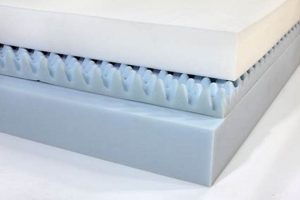
A sleeping surface designed for portable beds, often used for infants and toddlers, incorporating viscoelastic foam as a primary component. This type of bedding aims to provide a balance of support and pressure relief within the constrained dimensions of a smaller sleep environment. Its construction typically involves a core of denser foam, often polyurethane, topped with a layer of the aforementioned viscoelastic material.
The utilization of this material offers several advantages in the context of infant and toddler sleep. Its ability to conform to the bodys contours can contribute to even weight distribution, potentially minimizing pressure points. This is especially relevant for developing skeletal systems. Historically, options for portable bed mattresses were often limited in comfort and support; the introduction of viscoelastic foam represented an advancement in addressing these concerns, offering a more compliant and potentially more comfortable sleeping surface.
This article will delve into the specific characteristics of these mattresses, including material composition, safety considerations, cleaning and maintenance procedures, and factors to consider when selecting the appropriate option for a child’s portable bed.
Essential Considerations for Portable Bedding Selection
Selecting appropriate bedding for a portable bed requires careful consideration of several factors to ensure both comfort and safety for the child. The following tips provide guidance on making informed decisions.
Tip 1: Firmness Evaluation: Confirm the mattress exhibits appropriate firmness. A mattress that is too soft can present a suffocation hazard. Test for firmness by pressing firmly on the surface; minimal indentation is desirable.
Tip 2: Size and Fit Verification: Precise dimensions are critical. The bedding should fit snugly within the cot frame, leaving no gaps larger than two fingers’ width. This prevents entrapment.
Tip 3: Material Composition Assessment: Scrutinize the materials used in construction. Look for certifications indicating compliance with safety standards regarding harmful chemicals or allergens. Prioritize hypoallergenic options when possible.
Tip 4: Breathability Considerations: Adequate airflow is vital for temperature regulation and to minimize the risk of overheating. Mattresses with enhanced breathability features are advantageous.
Tip 5: Cleanability Evaluation: Regular cleaning is necessary to maintain hygiene. Select a mattress with a removable, washable cover or a surface that can be easily wiped clean.
Tip 6: Weight Distribution Analysis: Ensure the mattress provides even weight distribution. Uneven support can lead to discomfort and potential pressure points for the child.
Tip 7: Safety Standard Compliance: Verify the product meets or exceeds relevant safety standards established by regulatory bodies. Look for certifications from reputable organizations.
Adhering to these guidelines will contribute significantly to a safer and more comfortable sleep environment for the child utilizing a portable bed. Prioritizing safety and suitability based on these factors is paramount.
The following sections will provide further information on specific material properties and maintenance procedures to optimize the use of portable bed mattresses.
1. Firmness Rating

Firmness rating is a critical characteristic of viscoelastic foam mattresses intended for portable infant and toddler beds. It directly impacts the safety and comfort of the occupant and must align with established guidelines for infant sleep surfaces.
- Safety Standards Compliance
Regulatory bodies and pediatric health organizations establish minimum firmness standards for infant mattresses. These standards aim to reduce the risk of sudden infant death syndrome (SIDS) and suffocation. A mattress failing to meet these standards is unsuitable for infant use, regardless of material composition.
- Material Density and Indentation Load Deflection (ILD)
The firmness rating is intrinsically linked to the foam’s density and its ILD value. Higher density foam typically exhibits greater firmness. ILD measures the force required to compress the foam by a specific percentage. Manufacturers should provide ILD specifications to allow for an objective assessment of firmness.
- Age and Developmental Stage Considerations
The firmness requirement remains consistent across different age ranges within infancy. However, as toddlers transition to larger beds, slightly softer mattress options may become appropriate. The transition should only occur when the child has outgrown the portable bed entirely, and the mattress firmness should still prioritize support and minimize the risk of indentation.
- Subjective vs. Objective Measurement
While subjective assessment of firmness is possible, it is not reliable for determining suitability. Objective measurements, such as ILD values, provide a more consistent and verifiable indicator of firmness. Parental perception of firmness may not align with the objective characteristics of the mattress.
The correlation between firmness rating and viscoelastic foam mattresses for portable beds is central to ensuring a safe sleep environment. Adherence to established firmness standards, verified through objective measurement techniques, is paramount for mitigating potential risks associated with infant and toddler sleep.
2. Size Conformity

Size conformity is a fundamental safety parameter for viscoelastic foam mattresses used in portable beds. Accurate dimensions prevent hazardous gaps between the mattress edge and the cot frame, mitigating the risk of infant entrapment and potential suffocation.
- Dimensional Accuracy and Entrapment Prevention
Precise measurements are essential. Gaps exceeding a minimal tolerance, typically specified by regulatory standards, create opportunities for infants to become wedged between the mattress and the cot sides. This situation can lead to positional asphyxia. Manufacturers must adhere to strict dimensional tolerances during production to eliminate this risk.
- Standard Cot Dimensions and Mattress Sizing
Industry standards define the internal dimensions of portable beds. Mattress manufacturers must design their products to correspond precisely with these established dimensions. Variations in cot sizes necessitate a range of mattress options to ensure a snug fit in all compatible portable beds. Clear labeling of mattress dimensions is crucial for consumers to select the appropriate size.
- Compression and Long-Term Fit
Viscoelastic foam compresses under load. Mattress dimensions should account for this
compression to maintain a secure fit over extended use. Inferior materials may exhibit excessive compression, leading to gaps over time. Regular inspection of the mattress fit is recommended to identify any degradation in size conformity. - Aftermarket Mattress Use Implications
Selecting a replacement mattress not specifically designed for a particular portable bed increases the risk of size incompatibility. While cost savings may be a factor, the potential compromise in safety outweighs any economic benefit. Prioritizing mattresses manufactured or approved by the cot manufacturer is the safest approach.
The stringent requirements surrounding size conformity in viscoelastic foam mattresses for portable beds underscore the importance of precision in manufacturing and informed consumer selection. The consistent adherence to dimensional standards and careful monitoring of mattress fit are essential elements in maintaining a safe sleep environment for infants and toddlers. Compromising on size conformity, in the pursuit of lower prices, is very risky.
3. Material Safety

Material safety is paramount in the context of “memory foam cot mattresses” due to the vulnerability of infants and toddlers to chemical exposure. The inherent close proximity and prolonged contact with the mattress during sleep increase the potential for adverse health effects from volatile organic compounds (VOCs), flame retardants, and other potentially harmful substances present in the mattress materials. Therefore, careful scrutiny of material composition and certification is crucial.
The selection of materials directly impacts the levels of VOCs emitted by the mattress. Some viscoelastic foams are manufactured using blowing agents and additives that release VOCs as they break down. Exposure to elevated levels of VOCs can cause respiratory irritation, allergic reactions, and other health problems. Certifications such as CertiPUR-US or Oeko-Tex Standard 100 indicate that the foam has been tested and meets specific criteria for low VOC emissions and the absence of harmful substances. For example, a study by the U.S. Environmental Protection Agency (EPA) found that reducing VOC emissions in building materials significantly improved indoor air quality and reduced the incidence of respiratory symptoms.
Furthermore, the presence of flame retardants in cot mattresses is a significant concern. While intended to enhance fire safety, certain flame retardants, such as polybrominated diphenyl ethers (PBDEs), have been linked to endocrine disruption and developmental problems. Many jurisdictions have restricted or banned the use of PBDEs, but alternative flame retardants may also pose health risks. Consumers should seek mattresses that meet flammability standards without the use of chemical flame retardants, opting instead for those that utilize inherent fire-resistant materials like wool or inherently flame-resistant synthetic fibers. Prioritizing material safety in “memory foam cot mattresses” is not merely a matter of preference; it is an essential safeguard for infant and toddler health and well-being.
4. Breathability Factor

The breathability factor in “memory foam cot mattresses” is intrinsically linked to infant thermal regulation and respiratory health. Viscoelastic foam, by its nature, possesses a relatively dense structure that can impede airflow compared to more open-celled materials. This inherent limitation in breathability presents a potential risk of overheating, a known factor associated with Sudden Infant Death Syndrome (SIDS). Furthermore, inadequate ventilation can contribute to moisture accumulation within the mattress, creating an environment conducive to microbial growth, which can trigger allergies and respiratory problems. For instance, a study published in the “Journal of Pediatrics” indicated a correlation between elevated cot temperatures and increased SIDS risk. The importance of breathability, therefore, cannot be overstated; it directly affects the microclimate surrounding the infant during sleep and, consequently, their overall well-being.
Strategies to enhance the breathability of “memory foam cot mattresses” include the incorporation of ventilated foam designs, the use of breathable mattress covers made from materials like organic cotton or bamboo, and the implementation of spacer fabrics to promote airflow between the mattress and the underlying surface. Some manufacturers utilize open-cell viscoelastic foam formulations to increase air permeability, although this may compromise the material’s durability and support characteristics. A practical example is the use of 3D spacer fabrics, which create a network of air channels within the mattress, facilitating continuous ventilation and reducing the risk of heat buildup. The selection of appropriate materials and design features is crucial in mitigating the breathability limitations of viscoelastic foam and ensuring a safer sleep environment.
In summary, the breathability factor is a critical consideration in the design and selection of “memory foam cot mattresses”. While viscoelastic foam offers benefits in terms of pressure distribution and comfort, its inherent density can compromise airflow and increase the risk of overheating and moisture accumulation. Mitigation strategies, such as ventilated foam designs, breathable covers, and spacer fabrics, are essential to improve breathability and create a healthier sleep environment. Addressing the challenges associated with viscoelastic foam’s breathability is vital to ensuring the safety and well-being of infants using portable beds.
5. Cleanability Ease
The characteristic of cleanability ease in “memory foam cot mattresses” is intrinsically linked to hygiene maintenance and the mitigation of potential health hazards for infants and toddlers. Due to the propensity for spills, regurgitation, and other accidents to occur during sleep, particularly within this age group, the capacity to readily clean and sanitize the mattress becomes a critical attribute. The cause-and-effect relationship is clear: inadequate cleanability leads to the accumulation of bacteria, mold, and allergens, potentially resulting in respiratory issues, skin irritations, and other adverse health outcomes for the child. For instance, a study published in the “Journal of Allergy and Clinical Immunology” highlighted the prevalence of dust mites and fungal spores in children’s mattresses, underscoring the need for effective cleaning protocols.
Practical implementations of cleanability ease in “memory foam cot mattresses” often involve the incorporation of removable, washable covers constructed from waterproof or water-resistant materials. These covers provide a protective barrier against liquid penetration, preventing staining and the growth of microorganisms within the foam core. Some manufacturers also treat the mattress core with antimicrobial agents to inhibit bacterial proliferation. An illustrative example is a cot mattress featuring a polyurethane laminate cover that can be easily wiped clean with a damp cloth or removed for machine washing. Furthermore, the design of the mattress itself can contribute to cleanability; mattresses with smooth, seamless surfaces minimize the accumulation of dirt and
debris, facilitating thorough cleaning.
In conclusion, cleanability ease is not merely a convenience but a necessity in “memory foam cot mattresses.” The ability to effectively remove stains, eliminate allergens, and prevent microbial growth is essential for maintaining a hygienic sleep environment and safeguarding the health of infants and toddlers. The practical significance of this understanding lies in the informed selection of cot mattresses that prioritize cleanability features, ensuring that the product can be easily maintained and sanitized to minimize the risk of adverse health effects. The challenge rests with manufacturers to incorporate innovative designs and materials that enhance cleanability without compromising other essential characteristics, such as firmness and safety.
6. Durability Assessment

Durability assessment, in the context of a viscoelastic foam portable bed mattress, directly correlates with its lifespan, safety, and long-term cost-effectiveness. A comprehensive evaluation extends beyond immediate comfort, focusing instead on the material’s resistance to degradation and its continued capacity to provide adequate support over prolonged use.
- Indentation Load Deflection (ILD) Retention
ILD retention measures the foam’s capacity to maintain its firmness and support characteristics after repeated compression. A significant reduction in ILD indicates material breakdown, leading to a loss of support and potential safety hazards. The testing for ILD retention typically involves subjecting the mattress to a specified number of compression cycles and measuring the resulting change in ILD value. A durable mattress will exhibit minimal change, ensuring consistent support throughout its intended lifespan. For example, a mattress with poor ILD retention may initially provide adequate support but become too soft over time, potentially increasing the risk of infant suffocation.
- Resistance to Sagging and Deformation
Sagging and deformation compromise the structural integrity of the mattress, potentially leading to uneven weight distribution and discomfort. Factors contributing to sagging include repeated pressure, exposure to moisture, and variations in temperature. The resistance to sagging can be assessed through visual inspection and measurements of surface height after simulated use. A durable mattress will retain its original shape and surface evenness, providing consistent support across the entire surface. For instance, a mattress that develops a noticeable sag in the center may create an unsafe sleeping environment for an infant or toddler.
- Material Degradation and Off-Gassing Over Time
Material degradation refers to the breakdown of the foam structure, leading to the release of volatile organic compounds (VOCs) and a reduction in overall performance. The rate of degradation can be influenced by the quality of materials used, exposure to environmental factors, and the presence of additives. The assessment of material degradation involves monitoring VOC emissions and measuring changes in material properties over time. A durable mattress will exhibit minimal degradation and maintain low VOC emission levels, ensuring a safe and healthy sleeping environment. For example, a mattress that emits strong chemical odors or shows signs of crumbling after a short period of use may indicate poor material quality and degradation.
- Seam and Cover Integrity
The integrity of the seams and cover plays a crucial role in the overall durability of the mattress. Weak seams or a flimsy cover can lead to tears, exposing the foam core and compromising its protective barrier. The assessment of seam and cover integrity involves visual inspection, seam strength testing, and abrasion resistance testing. A durable mattress will feature strong seams, a resilient cover, and resistance to wear and tear, ensuring long-term protection of the foam core. For instance, a mattress with frayed seams or a torn cover may allow liquids to penetrate, leading to mold growth and degradation of the foam.
These facets of durability assessment collectively determine the long-term suitability of viscoelastic foam mattresses for portable beds. Prioritizing mattresses with high ILD retention, resistance to sagging, minimal material degradation, and robust seam and cover integrity ensures a safe, comfortable, and cost-effective sleeping environment for infants and toddlers.
Frequently Asked Questions
The following addresses common inquiries regarding viscoelastic foam mattresses designed for portable infant and toddler beds. These answers are intended to provide clarity and guidance for informed decision-making.
Question 1: Is a “memory foam cot mattress” safe for infants?
The safety of a viscoelastic foam portable bed mattress for infants hinges on several factors, primarily firmness. A mattress that is too soft poses a suffocation risk. The surface should conform to established firmness standards for infant bedding to mitigate this danger. Additionally, material composition and VOC emissions must be considered, ensuring the absence of harmful substances that could impact infant health.
Question 2: How does a “memory foam cot mattress” compare to an innerspring cot mattress?
Viscoelastic foam mattresses conform to the body’s contours, distributing weight more evenly, potentially minimizing pressure points. Innerspring mattresses, conversely, provide support through a network of coils. Viscoelastic foam offers superior motion isolation compared to innerspring designs, which can be advantageous in minimizing disturbances caused by movement within the cot. However, viscoelastic foam may retain heat more readily than innerspring options, necessitating consideration of breathability features.
Question 3: What is the appropriate firmness level for a “memory foam cot mattress”?
Appropriate firmness is paramount. Pediatricians and regulatory bodies establish guidelines dictating minimum firmness levels for infant mattresses. The mattress should exhibit minimal indentation when pressure is applied. A too-soft surface creates a risk of suffocation. Parents should consult these guidelines and prioritize mattresses that meet or exceed these requirements.
Question 4: How often should a “memory foam cot mattress” be replaced?
The lifespan of a viscoelastic foam portable bed mattress is contingent upon material quality and usage patterns. Regular inspection for signs of wear, sagging, or deformation is crucial. Should the mattress exhibit a noticeable loss of support or compromise in structural integrity, replacement is warranted. Generally, a replacement cycle of every 2-3 years is recommended, even in the absence of visible damage, to ensure continued hygiene and safety.
Question 5: How should a “memory foam cot mattress” be cleaned and maintained?
Cleaning protocols depend on the mattress construction and cover material. Spot cleaning with a mild detergent and water is suitable for minor spills. Mattresses with removable covers should have these covers laundered according to the manufacturer’s instructions. Harsh chemicals or abrasive cleaners should be avoided to prevent material degradation. Regular airing of the mattress is advisable to promote ventilation and minimize moisture accumulation.
Question 6: What certifications should one look for when purchasing a “memory foam cot mattress”?
Certifications from reputable
organizations provide assurance regarding safety and material composition. CertiPUR-US certification indicates that the foam has been tested for VOC emissions and harmful substances. Oeko-Tex Standard 100 certification confirms that the mattress components meet specific criteria for human and ecological safety. Compliance with relevant flammability standards is also essential. These certifications serve as valuable indicators of product quality and safety.
Careful consideration of these questions and answers will aid in the selection of a safe and suitable viscoelastic foam portable bed mattress for infants and toddlers.
The subsequent section will focus on practical applications and use-case scenarios for these mattresses.
Conclusion
The preceding sections have explored various facets of the viscoelastic foam mattress designed for portable infant and toddler beds. Key points have included considerations for safety through appropriate firmness and size, material composition to minimize exposure to harmful chemicals, breathability for thermal regulation, cleanability for hygiene maintenance, and durability for long-term use. The interaction of these factors is critical to the suitability of such products.
The information presented underscores the necessity for careful evaluation when selecting a “memory foam cot mattress”. Adherence to safety guidelines and a thorough understanding of material properties are paramount. Consistent vigilance in monitoring the condition of the mattress and adherence to recommended cleaning protocols are essential to ensuring a safe and hygienic sleep environment for infants and toddlers. The ultimate responsibility rests with caregivers to prioritize these considerations in their purchasing and maintenance decisions.
![Find Ideal 12" Memory Foam Mattress - [Brand/Benefit] | Organic & Natural Mattress Buyer’s Guide: Non-Toxic Sleep Solutions](https://mattressworldpa.com/wp-content/uploads/2025/07/th-4153-300x200.jpg "Find Ideal 12\" Memory Foam Mattress - [Brand/Benefit] Organic & Natural Mattress Buyer’s Guide: Non-Toxic Sleep Solutions")
![Memory Care: How to Wash a Mattress Topper [Easy!] | Organic & Natural Mattress Buyer’s Guide: Non-Toxic Sleep Solutions](https://mattressworldpa.com/wp-content/uploads/2025/07/th-4151-300x200.jpg "Memory Care: How to Wash a Mattress Topper [Easy!] Organic & Natural Mattress Buyer’s Guide: Non-Toxic Sleep Solutions")