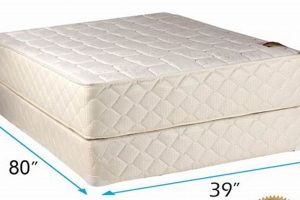
A combination sleep surface merges the qualities of both innerspring and foam mattress technologies. This type of bedding typically features a core of pocketed coils for support and bounce, topped with layers of memory foam or latex for pressure relief and conforming comfort. The integration results in a sleep experience that balances support and cushioning, often delivered compressed and conveniently packaged.
The blending of traditional innerspring support with the contouring properties of foam creates a unique set of advantages. This construction can provide better spinal alignment and reduce motion transfer compared to traditional mattresses. The compressed packaging allows for easier transportation and setup. Historically, mattress design has evolved from exclusively innerspring or foam options to incorporate the benefits of both, reflecting consumer demand for enhanced comfort and convenience.
The following sections will delve into the specific characteristics, construction materials, and considerations pertinent to selecting this modern sleep solution. Aspects of size variations, layer composition, coil gauge, and foam densities will also be addressed. This information aids in the understanding of the factors that contribute to the overall quality and suitability of this bedding option.
Guidance on Selecting a Hybrid Queen Bedding System
The selection process requires careful consideration of individual needs and preferences. Evaluating specific construction characteristics ensures a suitable choice.
Tip 1: Assess Coil Density and Gauge: A higher coil count typically translates to improved support and durability. Lower gauge numbers indicate thicker, firmer coils, which may be preferable for individuals requiring greater support.
Tip 2: Evaluate Foam Density and Type: Memory foam density dictates the level of contouring and pressure relief. Latex foam offers a responsive feel and natural breathability. Choose foam type based on desired comfort and temperature regulation.
Tip 3: Consider Edge Support: Reinforced edges prevent sagging and maximize the usable sleep surface. Strong edge support is particularly important for individuals who sleep near the perimeter of the bed.
Tip 4: Examine Layer Construction: The arrangement and composition of layers affect overall comfort and performance. Ensure a balance between support, pressure relief, and temperature regulation.
Tip 5: Review Independent Certifications: Certifications such as CertiPUR-US confirm that the foam materials are free from harmful chemicals and meet specific environmental standards.
Tip 6: Pay Attention to Packaging and Setup: Upon unpacking, allow the mattress sufficient time to fully expand to its intended size and shape.
Tip 7: Research Warranty and Return Policies: Thoroughly review the manufacturer’s warranty and return policies prior to purchase. This protects against potential defects and allows for a trial period.
Prioritizing these factors can greatly improve the selection of a comfortable and durable sleep solution. Understanding construction details allows for informed decision-making.
The subsequent section will present common issues and resolutions regarding use and maintenance of this specific type of bedding.
1. Support
Support within a hybrid queen mattress system directly correlates with its capacity to maintain proper spinal alignment and distribute body weight evenly. The innerspring core is the primary contributor to this support, with the coil count, gauge, and configuration dictating the firmness and responsiveness. Insufficient support can result in pressure points, back pain, and disrupted sleep. For instance, an individual with a higher body mass index requires a mattress with a robust coil system to prevent sagging and ensure adequate support. This structural integrity is vital for long-term comfort and orthopedic health.
The foam layers, while contributing to comfort, also play a role in modulating the support provided by the innerspring system. Denser foams, such as high-density memory foam or latex, can enhance the overall support by preventing excessive sinkage and maintaining a more stable sleep surface. Edge support, often achieved through reinforced coils or foam encasements, is another critical aspect of support, preventing the perimeter of the mattress from collapsing under pressure. This is particularly relevant for couples or individuals who utilize the full surface area of the mattress. A degradation in edge support compromises the usable sleep space and contributes to a feeling of instability.
In summary, the support offered by a hybrid queen mattress is a composite function of the innerspring core’s characteristics and the properties of the overlying foam layers. Selecting a mattress with appropriate support characteristics is paramount for ensuring optimal spinal alignment, pressure relief, and long-term durability. Overlooking this crucial factor can lead to discomfort, reduced sleep quality, and potential musculoskeletal issues. A balance between conforming comfort and underlying support is essential for a satisfactory sleep experience.
2. Comfort

Comfort, a paramount consideration in selecting a hybrid queen mattress delivered in a box, significantly influences sleep quality and overall well-being. This characteristic is not monolithic; rather, it encompasses several facets each playing a critical role in the perceived comfort level of the mattress.
- Pressure Relief
Pressure relief refers to the mattress’s ability to redistribute body weight, minimizing pressure points that can cause discomfort and disrupt sleep. Memory foam and latex layers are frequently employed to achieve this, conforming to the body’s contours and reducing stress on areas such as the shoulders, hips, and knees. Inadequate pressure relief can lead to tossing and turning, resulting in fragmented sleep and potential pain. A well-designed hybrid system balances the support of the innerspring with the conforming properties of the foam to optimize pressure distribution.
- Temperature Regulation
Temperature regulation pertains to the mattress’s capacity to dissipate heat and maintain a comfortable sleeping temperature. Overheating can disrupt sleep and contribute to discomfort. Hybrid mattresses often incorporate breathable materials, such as open-cell foam or gel-infused foam, to enhance airflow and regulate temperature. The innerspring core also facilitates air circulation, preventing heat buildup. Effective temperature regulation is crucial for individuals prone to overheating or living in warmer climates.
- Motion Isolation
Motion isolation describes the mattress’s ability to minimize the transfer of movement across its surface. This is particularly important for couples, as it prevents one partner’s movements from disturbing the other’s sleep. Pocketed coils, where each coil is individually wrapped, excel at motion isolation by limiting the spread of movement. The foam layers further dampen vibrations, creating a more stable and undisturbed sleep surface. Inadequate motion isolation can lead to sleep disturbances and reduced overall sleep quality.
- Surface Feel
The surface feel describes the initial sensation experienced upon lying on the mattress. This is primarily determined by the uppermost layers of the mattress, influencing whether it feels plush, firm, or somewhere in between. Personal preference plays a significant role in determining the ideal surface feel. Some individuals prefer the sinking sensation of memory foam, while others prefer the responsive bounce of latex. The surface feel contributes to overall comfort and can significantly impact sleep quality and satisfaction.
These comfort facets, working in concert, define the overall sleep experience offered by a hybrid queen mattress in a box. Careful consideration of individual needs and preferences is essential when evaluating these factors to ensure a comfortable and restorative sleep. The optimal choice balances support, pressure relief, temperature regulation, motion isolation, and surface feel, providing a sleep environment conducive to optimal health and well-being.
3. Convenience
The aspect of convenience is a significant driver in the adoption of hybrid queen mattresses packaged for direct consumer delivery. This convenience stems from multiple factors that streamline the purchasing and setup process, thereby appealing to a broad segment of consumers.
- Simplified Transportation
The compression and packaging of the mattress into a manageable box eliminate the logistical challenges associated with transporting a traditional mattress. Standard delivery services can handle the shipment directly to the consumer’s doorstep, bypassing the need for specialized moving equipment or professional assistance. This streamlined process reduces both the financial and physical burden of acquiring a new mattress.
- Effortless Setup
The design of these mattresses facilitates a relatively straightforward setup. Upon unboxing, the mattress expands to its full size within a defined period. While some minor adjustments may be necessary, the entire process generally requires minimal effort or specialized tools. This ease of setup allows consumers to independently manage the installation process without requiring external assistance.
- Online Accessibility
The availability of these mattresses through online retailers broadens accessibility and convenience. Consumers can research, compare, and purchase mattresses from the comfort of their homes, eliminating the need to visit physical stores. Detailed product information, customer reviews, and comparison tools empower consumers to make informed decisions remotely. This online accessibility extends the convenience factor beyond the physical delivery and setup, encompassing the entire purchasing experience.
- Reduced Time Investment
The cumulative effect of simplified transportation, effortless setup, and online accessibility significantly reduces the time investment required to acquire a new mattress. Consumers can avoid lengthy shopping trips, complex delivery arrangements, and challenging installation procedures. This time-saving aspect is particularly appealing to individuals with busy schedules or limited availability.
The convergence of these convenience factors contributes to the appeal of hybrid queen mattresses in a box. By addressing common logistical and procedural challenges associated with traditional mattress purchases, these products offer a streamlined and efficient solution that resonates with a growing segment of the consumer market.
4. Durability

Durability, a critical attribute of any mattress, directly impacts the long-term value and satisfaction derived from a hybrid queen mattress in a box. The lifespan of this bedding system is determined by the quality of materials employed and the integrity of its construction. The following outlines key elements contributing to the overall durability.
- Coil System Integrity
The innerspring system’s resilience to deformation under sustained pressure is paramount. Higher gauge steel coils, coupled with a robust coil configuration, resist sagging and maintain support over time. Examples include tempered steel coils and reinforced edge support systems. The coil systems ability to withstand repeated compression cycles directly influences the mattress’s long-term structural integrity.
- Foam Density and Resilience
The density of the foam layers, whether memory foam or latex, dictates their ability to rebound from compression and resist permanent indentation. Higher density foams retain their shape and support characteristics for an extended period. Low-density foams are prone to premature degradation, compromising comfort and support. Material selection significantly impacts the overall lifespan of the mattress.
- Fabric Quality and Construction
The mattress cover’s material and construction influence its resistance to wear and tear. Durable, tightly woven fabrics withstand abrasion and prevent premature breakdown of the underlying foam layers. Reinforced seams and robust stitching enhance the cover’s structural integrity. The quality of the fabric directly impacts the visual appeal and functional lifespan of the mattress.
- Layer Adhesion and Bonding
The bonding between individual layers is critical for preventing shifting and separation over time. Robust adhesives and secure bonding techniques ensure that the layers function as a cohesive unit. Delamination can lead to uneven support and premature wear. The integrity of the layer bonding process influences the long-term performance and structural stability of the mattress.
These factors collectively define the durability of a hybrid queen mattress in a box. A careful selection of materials and meticulous construction techniques are essential for ensuring that the mattress maintains its comfort and support characteristics over its intended lifespan. Degradation in any of these components can compromise the overall performance and reduce the value proposition of the product.
5. Materials

The selection and quality of materials are fundamental determinants of the performance, comfort, and longevity of a hybrid queen mattress in a box. The properties of these components directly influence the sleep experience and the overall value proposition of the product.
- Innerspring Composition
The innerspring core typically utilizes steel coils as its primary support structure. The steel’s gauge and tempering process dictate the coil’s firmness and resistance to deformation. Examples include high-carbon steel coils, which offer enhanced durability, and individually pocketed coils, which minimize motion transfer. The composition of the innerspring significantly impacts the mattress’s support and overall lifespan.
- Foam Layer Varieties
Hybrid mattresses incorporate various foam types to provide comfort and pressure relief. Memory foam conforms to the body’s contours, while latex offers a responsive feel and breathability. Polyurethane foam serves as a transition layer, providing cushioning and support. The density, firmness, and certifications (e.g., CertiPUR-US) of these foams determine their performance and safety characteristics. The selection of these foams affects comfort, temperature regulation, and potential off-gassing.
- Cover Fabric Specifications
The mattress cover is usually constructed from woven fabrics, such as cotton, polyester, or blends thereof. The fabric’s thread count and weave pattern influence its durability, breathability, and feel. Some covers incorporate moisture-wicking treatments or antimicrobial properties. The quality of the cover fabric contributes to overall comfort and protects the underlying layers from wear and tear.
- Adhesive Composition
Adhesives are used to bond the various layers of the mattress together, preventing shifting and ensuring structural integrity. The type of adhesive employed (e.g., water-based, solvent-based) and its adherence properties influence the mattress’s long-term durability and potential for off-gassing. Secure and durable bonding is essential for preventing delamination and maintaining consistent performance.
The interrelation of these materials defines the performance characteristics of the hybrid queen mattress in a box. The quality and properties of each component contribute to the overall comfort, support, durability, and safety of the sleep system. A comprehensive understanding of these material attributes is crucial for making informed purchasing decisions.
6. Size
The dimensions of a hybrid queen mattress in a box are a critical consideration, influencing compatibility with existing bedroom furniture, suitability for intended occupants, and overall sleep comfort. Standardized dimensions are a key aspect of the “queen” designation, but slight variations can exist across manufacturers.
- Standard Dimensions and Tolerances
A standard queen mattress measures approximately 60 inches wide by 80 inches long. However, manufacturing tolerances can result in minor deviations from these dimensions. It is essential to verify the exact measurements provided by the manufacturer, especially when considering fitted sheets or bed frames designed for precise queen-sized mattresses. Incompatibility arising from size discrepancies can lead to discomfort and operational challenges.
- Occupancy Considerations
The queen size is often favored by couples and single individuals who prefer ample sleeping space. Its dimensions provide adequate room for two adults, though couples who value personal space may consider upgrading to a larger size. A single sleeper who enjoys sprawling may also benefit from a queen-sized mattress. Assessing occupancy needs is crucial in determining the appropriateness of a queen size.
- Room Size and Proportions
The physical dimensions of the bedroom must accommodate the footprint of a queen-sized mattress. A smaller room may feel cramped with a queen bed, while a larger room can comfortably accommodate it. Consider the placement of other furniture, such as nightstands and dressers, when assessing the spatial suitability of a queen mattress. Room proportions influence the overall aesthetic and functional flow of the bedroom.
- Shipping and Handling Implications
While compressed for shipping, the resulting expanded size of the mattress still dictates the final maneuverability within the destination space. Tight doorways, narrow hallways, and stairwells must be considered when planning the unboxing and placement of the mattress. Pre-measuring these spaces will ensure a seamless delivery and setup process. The expanded size must be manageable within the designated environment.
In summary, the size of a hybrid queen mattress in a box is not merely a label but a defining characteristic that impacts functionality, comfort, and overall satisfaction. Careful consideration of dimensions, occupancy, room size, and shipping constraints is essential for making an informed purchasing decision. The standardized queen size offers versatility but requires due diligence to ensure compatibility and suitability.
Frequently Asked Questions
The following addresses common inquiries and misconceptions surrounding hybrid queen mattresses delivered in compressed packaging.
Question 1: What is the typical lifespan of a hybrid queen mattress in a box?
The lifespan varies depending on material quality, construction, and usage patterns. However, a well-constructed hybrid queen mattress should provide approximately 7-10 years of reliable service. Routine maintenance and proper support can extend its longevity.
Question 2: How long does it take for a compressed hybrid queen mattress to fully expand?
The expansion process typically requires 24-72 hours. Optimal expansion occurs in a well-ventilated room at a moderate temperature. Avoid applying pressure to the mattress during this initial expansion phase. Premature use can impede full expansion and compromise comfort.
Question 3: Are hybrid queen mattresses in a box suitable for individuals with back pain?
Hybrid mattresses can be a viable option for individuals with back pain, provided they offer adequate support and pressure relief. The innerspring core provides support, while the foam layers contour to the body. Evaluate individual needs and consult a medical professional for personalized recommendations.
Question 4: How does a hybrid mattress differ from a traditional innerspring mattress?
A hybrid mattress integrates both innerspring and foam technologies, whereas a traditional innerspring mattress primarily relies on coils for support and comfort. Hybrid mattresses offer a balance of support and pressure relief that innerspring mattresses may lack.
Question 5: What is the weight capacity of a hybrid queen mattress in a box?
Weight capacity varies based on the specific construction and materials used. Consult the manufacturer’s specifications for the stated weight limit. Exceeding the weight capacity can compromise the mattress’s support and reduce its lifespan.
Question 6: Are there any specific maintenance requirements for a hybrid queen mattress in a box?
Regular rotation and the use of a mattress protector are recommended to maintain its condition. Spot cleaning is advised for stains. Avoid exposing the mattress to excessive moisture or direct sunlight. Proper maintenance contributes to extended mattress life.
Understanding these aspects clarifies common concerns and facilitates informed decision-making regarding hybrid queen mattresses delivered in compressed packaging.
The subsequent section will explore various brands and models available in the market.
Conclusion
This exposition has explored the multifaceted nature of the hybrid queen mattress in a box. Core elements such as support structure, comfort layers, convenience of delivery, long-term durability, material composition, and dimensional considerations were examined. These factors represent key determinants in assessing the suitability of this type of sleep system for individual needs.
Ultimately, the selection of a bedding system is a crucial decision impacting long-term health and well-being. Informed evaluation of the characteristics outlined herein is essential to ensure a satisfactory and beneficial sleep experience. Prospective purchasers are encouraged to weigh all presented factors against their personal requirements to make the optimal choice.
![Upgrade Your Sleep: Twin Mattress & Box Spring Set - [Year] | Organic & Natural Mattress Buyer’s Guide: Non-Toxic Sleep Solutions](https://mattressworldpa.com/wp-content/uploads/2025/07/th-3528-300x200.jpg "Upgrade Your Sleep: Twin Mattress & Box Spring Set - [Year] Organic & Natural Mattress Buyer’s Guide: Non-Toxic Sleep Solutions")