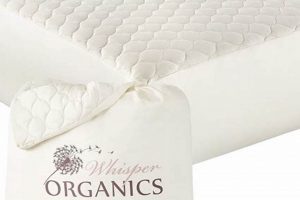
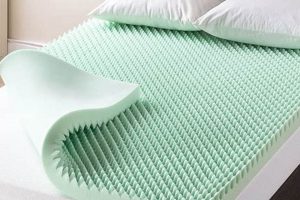
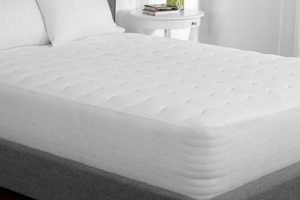
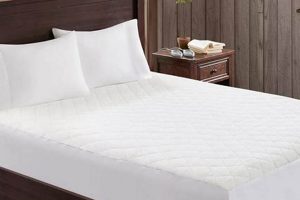
A California King mattress protector is a fitted or anchored covering designed to safeguard a larger-than-standard mattress. Measuring approximately 72 inches wide and 84 inches long, these protectors shield against spills, stains, allergens, and general wear and tear. For example, placing one on a bed can prevent liquid damage from seeping into the underlying mattress layers.
The utilization of such bedding accessories offers several advantages. It extends the lifespan of the mattress, preserving its integrity and comfort. Additionally, many provide a barrier against dust mites and other allergens, contributing to a healthier sleep environment. Historically, similar coverings have been used for centuries to protect valuable textiles and bedding from damage and contamination.
The subsequent discussion will delve into various aspects of choosing and maintaining this particular bedding item, including materials, features, and care instructions, ensuring informed decision-making for potential buyers.
Tips for Selecting and Maintaining a California King Mattress Pad
Proper selection and care of a California King mattress pad contribute significantly to its longevity and performance, protecting the underlying mattress and ensuring a comfortable sleep surface.
Tip 1: Material Selection: Prioritize breathable materials such as cotton or bamboo. These materials facilitate airflow, reducing heat buildup and promoting a cooler sleep environment. Synthetic materials, while often more affordable, may retain heat.
Tip 2: Waterproofing Evaluation: If protection against spills is a primary concern, ensure the pad features a waterproof membrane. Examine the membrane’s composition; a polyurethane layer offers effective waterproofing without compromising breathability as much as vinyl alternatives.
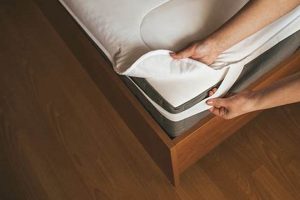
Tip 3: Secure Fit Assessment: Verify that the pad’s fitted skirt accommodates the mattress’s depth. A securely fitted pad prevents shifting during sleep, maintaining consistent protection and comfort. Measure mattress depth accurately before purchase.
Tip 4: Allergen Barrier Consideration: Individuals with allergies should seek out pads specifically designed to block allergens. These pads typically feature tightly woven fabrics that prevent dust mites and other allergens from penetrating the mattress.
Tip 5: Regular Cleaning Protocol: Adhere to the manufacturer’s washing instructions. Frequent laundering helps remove accumulated dust, allergens, and body oils, maintaining the pad’s hygiene and performance. Avoid harsh detergents or bleach, which can damage the material.
Tip 6: Prompt Stain Treatment: Address spills and stains immediately to prevent permanent discoloration or damage. Blot the affected area with a clean cloth and use a mild stain remover if necessary, following the product’s instructions carefully.
Tip 7: Periodic Inspection for Wear: Regularly inspect the pad for signs of wear and tear, such as thinning, tears, or compromised waterproofing. Replace the pad as needed to ensure continued protection and performance. Timely replacement prevents damage to the mattress itself.
Implementing these recommendations will maximize the value and lifespan of your California King mattress pad, ensuring a clean, comfortable, and protected sleep environment.
The following sections will further elaborate on specific features and considerations related to purchasing and utilizing mattress pads.
1. Dimensions (72" x 84")

The dimensions of 72 inches by 84 inches are intrinsically linked to the very definition of a California King mattress pad. These measurements define the specific size and shape the pad is designed to accommodate. Any deviation from these measurements renders the pad unsuitable for its intended purpose, leading to improper fit and diminished protection. The causal relationship is direct: correct dimensions facilitate effective mattress protection, while incorrect dimensions negate this function. For instance, a pad smaller than 72″ x 84″ will leave portions of the mattress exposed, while a larger pad will bunch and create discomfort.
Consider the scenario of a water spill. A properly sized California King mattress pad, conforming to the 72″ x 84″ standard, provides a waterproof barrier across the entire mattress surface. This prevents liquid from seeping into the mattress core, thus averting potential mold growth and material degradation. Conversely, a pad with incorrect dimensions might allow the spill to bypass the protective layer, negating the intended benefit. Understanding these dimensions allows consumers to select the correct product, ensuring optimal protection. Mattress manufacturers adhere to these standard dimensions, making pad selection straightforward when precise measurements are recognized.
In summary, the 72″ x 84″ dimensions are not merely specifications but foundational elements of the California King mattress pad’s functionality. Accurate sizing is critical for ensuring proper fit, effective protection, and overall value. While challenges may arise from variations in mattress depth or manufacturing tolerances, adherence to the 72″ x 84″ standard remains paramount for achieving the intended benefits of using a California King mattress pad, directly contributing to mattress longevity and hygiene.
2. Waterproof Barrier
The presence of a waterproof barrier in a California King mattress pad significantly enhances its utility and protective capabilities, safeguarding the underlying mattress from liquid damage and extending its lifespan. This feature is particularly pertinent given the investment associated with quality mattresses.
- Protection Against Spills and Accidents
A primary function of the waterproof barrier is to prevent liquids, such as spills, sweat, or accidental incontinence, from penetrating the mattress. This protection is crucial for maintaining the mattress’s integrity and preventing the growth of mold, mildew, and bacteria within the mattress core. For instance, a child’s nighttime accident or a spilled beverage would be contained by the waterproof layer, preserving the mattress’s cleanliness and hygiene.
- Maintenance of Mattress Hygiene
Beyond preventing spills, a waterproof barrier also creates a barrier against the accumulation of body fluids, dust mites, and allergens. This contributes to a healthier sleep environment by reducing the likelihood of allergic reactions and respiratory issues. In practical terms, this means less frequent need for professional mattress cleaning and a reduced risk of mattress staining and odor retention.
- Impact on Mattress Longevity
By shielding the mattress from moisture and contaminants, the waterproof barrier directly contributes to its longevity. Moisture penetratio
n can lead to the breakdown of internal mattress components, such as foam and fibers, reducing its support and comfort over time. The waterproof layer mitigates this risk, preserving the mattress’s original condition for a longer period. The initial cost of a mattress pad with a waterproof barrier can be offset by the extended lifespan of the mattress itself. - Material Composition and Breathability Considerations
The effectiveness of a waterproof barrier is contingent upon its material composition. While vinyl offers a robust barrier, it often lacks breathability, leading to heat retention and discomfort. Polyurethane membranes provide a balance between waterproofing and breathability, allowing for moisture vapor transmission while preventing liquid penetration. Consumers should consider the material composition of the waterproof layer to ensure optimal comfort and protection.
In conclusion, the waterproof barrier is an integral component of a California King mattress pad, offering essential protection against liquid damage, enhancing mattress hygiene, and contributing to its longevity. The selection of a mattress pad with an appropriate waterproof barrier material is paramount for maximizing these benefits and ensuring a clean and comfortable sleep environment.
3. Hypoallergenic properties
Hypoallergenic properties in a California King mattress pad denote its capacity to minimize allergic reactions in susceptible individuals, a crucial consideration given the extended surface area of a California King mattress and its prolonged contact with the sleeper’s body.
- Dust Mite Resistance
Many mattress pads with hypoallergenic properties employ tightly woven fabrics that prevent dust mites from penetrating and colonizing the mattress. Dust mites, microscopic organisms that thrive in bedding, are a primary trigger for allergies and asthma. A tightly woven mattress pad acts as a physical barrier, reducing dust mite exposure and subsequent allergic symptoms such as sneezing, coughing, and skin irritation. For example, a pad certified by the Asthma and Allergy Foundation of America (AAFA) indicates a proven ability to reduce dust mite allergen levels.
- Allergen Barrier
Beyond dust mites, hypoallergenic mattress pads can also provide a barrier against other common allergens, including pet dander, pollen, and mold spores. These allergens can accumulate in bedding over time and contribute to respiratory issues and skin sensitivities. The hypoallergenic pad encapsulates these allergens, preventing them from becoming airborne and inhaled. Individuals with seasonal allergies may find significant relief from using a mattress pad designed to minimize allergen exposure.
- Material Composition
The materials used in the construction of a hypoallergenic mattress pad play a critical role in its effectiveness. Natural fibers such as organic cotton and bamboo are inherently less allergenic than synthetic materials, as they are less likely to harbor allergens or release volatile organic compounds (VOCs). Memory foam mattress pads may contain chemicals that trigger allergic reactions in some individuals; therefore, selecting a pad with CertiPUR-US certification ensures that the foam has been tested for harmful substances and VOC emissions. Material choice directly impacts the potential for allergic reactions.
- Washability and Maintenance
Regular washing is essential for maintaining the hypoallergenic properties of a mattress pad. Washing removes accumulated dust mites, allergens, and body oils that can contribute to allergic reactions. Mattress pads that are machine washable and dryer-safe offer convenience and ensure thorough cleaning. Following the manufacturer’s instructions for washing and drying is crucial to preserve the integrity of the hypoallergenic materials and prevent shrinkage or damage.
In summary, hypoallergenic properties in a California King mattress pad are multifaceted, encompassing dust mite resistance, allergen barriers, material composition, and washability. Selecting a mattress pad with these characteristics can significantly improve sleep quality and reduce allergic symptoms, particularly for individuals with sensitivities to common allergens. The long-term benefits of a hypoallergenic mattress pad extend beyond mere comfort, contributing to overall health and well-being by minimizing exposure to allergens during sleep.
4. Temperature regulation

Temperature regulation in the context of a California King mattress pad refers to its ability to influence the sleep environment by either promoting or inhibiting heat retention. This function is particularly significant for larger mattress sizes, such as the California King, due to the increased surface area and potential for heat buildup.
- Material Breathability
The breathability of the mattress pad’s materials directly impacts its temperature regulation capabilities. Materials like cotton, bamboo, and certain types of synthetic fibers allow for air circulation, facilitating the dissipation of heat and moisture. Conversely, materials such as vinyl or tightly woven polyester can trap heat, leading to discomfort and potential sleep disturbances. For example, a mattress pad made with a breathable cotton cover can help prevent overheating during warmer months, while a pad with a less breathable synthetic cover might exacerbate heat retention.
- Moisture Wicking Properties
Effective temperature regulation also involves the ability to wick away moisture from the body. Materials with moisture-wicking properties draw sweat away from the skin, allowing it to evaporate and cool the sleeper. This is especially important for individuals who tend to sweat during sleep. A California King mattress pad with moisture-wicking capabilities can help maintain a comfortable and dry sleep environment, even on humid nights. For instance, pads incorporating merino wool or specialized synthetic blends are often marketed for their moisture-wicking performance.
- Construction and Design
The construction and design of the mattress pad can also influence temperature regulation. Quilted designs and open-cell foam structures can promote airflow and reduce heat buildup compared to solid, dense constructions. Some mattress pads incorporate cooling technologies, such as phase-change materials, which absorb and release heat to maintain a consistent temperature. The design should consider the balance between comfort, support, and breathability to optimize temperature regulation. For example, a pad with a channeled design can enhance airflow beneath the sleeper.
- Insulating Properties (Considered Negatively)
While some mattress pads aim to insulate for warmth during colder months, excessive insulation can negatively impact temperature regulation, leading to overheating. The ideal California King mattress pad strikes a balance between providing a comfortable sleeping surface and preventing excessive heat retention. Thick, densely packed materials, while providing cushioning, may impede airflow and contribute to a warmer sleep environment. The insulating properties should be considered in relation to the climate and the individual’s temperature preferences. For example, a thick, down-filled mattress pad may be too w
arm for use during the summer.
In conclusion, temperature regulation is a critical attribute of a California King mattress pad, influencing sleep comfort and quality. Factors such as material breathability, moisture-wicking properties, construction design, and insulation levels all contribute to its effectiveness. Selecting a mattress pad that promotes airflow, wicks away moisture, and avoids excessive heat retention is essential for creating a comfortable and temperature-neutral sleep environment on a California King mattress.
5. Secure fit
The concept of a secure fit is paramount for a California King mattress pad. This ensures the pad remains properly positioned, providing consistent protection and comfort across the entire mattress surface. Deviations from a secure fit compromise the pad’s functionality and undermine its intended benefits.
- Elastic Skirting and Depth Accommodations
Elastic skirting, encompassing the perimeter of the mattress pad, plays a critical role in achieving a secure fit. The elastic must be of sufficient strength to grip the mattress edges firmly. Moreover, the skirting’s depth must adequately accommodate the thickness of the mattress. If the skirting is too shallow, the pad will repeatedly detach, exposing the mattress to potential damage. A mattress depth of 14 inches, for example, necessitates a skirting depth of at least 15 inches to allow for secure and complete encapsulation of the mattress edges. Improper skirting depth often results in slippage and bunching.
- Anchor Bands and Corner Straps
Alternative securement mechanisms include anchor bands or corner straps. These elasticized bands are designed to attach to the corners of the mattress, providing additional security against movement. Anchor bands are particularly useful for mattresses prone to slippage or for sleepers who move frequently during the night. The implementation of robust corner straps significantly diminishes the likelihood of the mattress pad becoming dislodged, thereby sustaining continuous protection.
- Fitted Sheet Compatibility
A secure fit must also consider compatibility with fitted sheets. The mattress pad should not interfere with the proper placement or tension of the fitted sheet. If the pad is too bulky or poorly designed, it can cause the fitted sheet to bunch or slip off, resulting in discomfort and reduced protection. The overall profile of the pad, including its thickness and material composition, should be factored into the selection process to ensure seamless integration with standard fitted sheets designed for California King mattresses. Incompatibility leads to a degraded sleep surface.
- Material Stability and Shrinkage Resistance
The materials used in the construction of the mattress pad must exhibit dimensional stability to maintain a secure fit over time. Shrinkage after washing can significantly alter the pad’s dimensions, rendering it unable to properly fit the mattress. Selecting materials known for their shrinkage resistance, such as pre-shrunk cotton or durable synthetic blends, is crucial for preserving the integrity of the fit. Regular washing, while necessary for hygiene, should not compromise the pad’s ability to securely encase the mattress. Material degradation directly impacts long-term fit.
In conclusion, a secure fit is not merely a desirable attribute but an essential requirement for a California King mattress pad to effectively fulfill its protective and comfort-enhancing functions. The integration of robust elastic skirting, optional anchor bands, compatibility with fitted sheets, and dimensionally stable materials collectively contribute to a secure fit that ensures consistent performance and sustained mattress protection. The absence of a secure fit renders the mattress pad largely ineffective.
6. Washability

Washability is a critical attribute of a California King mattress pad, directly impacting hygiene, longevity, and overall user satisfaction. The substantial surface area of a California King mattress necessitates regular cleaning of its protective covering to mitigate the accumulation of allergens, body fluids, and dust mites. The ease and effectiveness of laundering therefore become key determinants in the pad’s long-term utility.
- Frequency of Cleaning
The recommended frequency of washing a California King mattress pad depends on usage and individual circumstances. However, a general guideline suggests laundering every one to two months. More frequent washing may be necessary for individuals with allergies, asthma, or those who sweat heavily during sleep. Regular cleaning prevents the buildup of allergens and maintains a hygienic sleep environment. Infrequent washing allows for the proliferation of dust mites and the accumulation of body oils, potentially compromising air quality and promoting skin irritation. Washing frequency directly influences the pad’s protective efficacy.
- Machine Washability and Dryer Compatibility
A California King mattress pad’s machine washability is a significant convenience factor. Pads designed for machine washing simplify the cleaning process, saving time and effort. Dryer compatibility is equally important, as air drying can be time-consuming and may not fully eliminate moisture, potentially leading to mold or mildew growth. Select mattress pads specifically labeled as machine washable and dryer-safe to ensure compatibility with standard laundry equipment. Failure to adhere to washing instructions can result in damage to the pad, voiding warranties and reducing its lifespan. Correct laundering practices are essential for maintaining the pad’s integrity.
- Material Durability and Shrinkage Resistance
The materials used in a California King mattress pad must withstand repeated washings without significant degradation. Shrinkage, fading, or loss of shape can compromise the pad’s fit and effectiveness. Choose pads constructed from durable, shrinkage-resistant materials such as pre-shrunk cotton or synthetic blends. High-quality stitching and reinforced seams also contribute to the pad’s ability to withstand laundering. Material durability is a key indicator of the pad’s long-term value. Inferior materials often deteriorate rapidly, necessitating premature replacement.
- Impact of Detergents and Water Temperature
The choice of detergent and water temperature can influence the effectiveness and longevity of a California King mattress pad. Harsh detergents or excessive bleach can damage delicate materials, while high water temperatures can cause shrinkage. Use a mild, hypoallergenic detergent and follow the manufacturer’s recommendations for water temperature. Avoid fabric softeners, as they can reduce the pad’s breathability and waterproof properties. Gentle cleaning practices preserve the pad’s functionality and extend its lifespan. Improper cleaning agents can irreversibly damage the material composition and diminish performance characteristics.
Considering the factors of washing frequency, machine compatibility, material durability, and proper cleaning practices is crucial for maximizing the benefits of a California King mattress pad. A washable pad promotes hygiene, prolongs the mattress lifespan, and ultimately contributes to a healthier and more comfortable sleep environment. Neglecting washability considerati
ons can result in a compromised sleep surface and diminished value.
Frequently Asked Questions
This section addresses common inquiries regarding the utilization, maintenance, and selection of California King mattress pads. The information provided aims to offer clarity and guidance to individuals seeking to protect their mattresses and optimize their sleep environment.
Question 1: What is the primary purpose of a California King mattress pad?
The principal function of a California King mattress pad is to protect the underlying mattress from spills, stains, allergens, and general wear and tear. It acts as a barrier, preventing liquids and other contaminants from penetrating the mattress core, thereby extending its lifespan and maintaining its hygiene.
Question 2: How often should a California King mattress pad be washed?
The recommended washing frequency is generally every one to two months. However, individuals with allergies or those prone to sweating during sleep may benefit from more frequent laundering to minimize allergen buildup and maintain a clean sleep surface.
Question 3: What materials are best suited for a California King mattress pad designed for temperature regulation?
Breathable materials such as cotton, bamboo, and certain specialized synthetic blends are conducive to temperature regulation. These materials promote airflow and facilitate moisture wicking, helping to prevent overheating and maintain a comfortable sleep environment.
Question 4: How does the presence of a waterproof barrier affect the breathability of a California King mattress pad?
While waterproof barriers are essential for protection, some materials, such as vinyl, can impede breathability. Polyurethane membranes offer a compromise, providing waterproofing while allowing for some degree of air circulation. The material composition of the waterproof layer should be carefully considered.
Question 5: What features should be considered when selecting a California King mattress pad for allergy sufferers?
Individuals with allergies should prioritize mattress pads with tightly woven fabrics to prevent dust mite penetration. Look for pads labeled as hypoallergenic or certified by organizations such as the Asthma and Allergy Foundation of America (AAFA). Material composition, washability, and allergen barrier properties are all critical considerations.
Question 6: How can a secure fit be ensured when using a California King mattress pad?
A secure fit is achieved through the use of elastic skirting with sufficient depth to accommodate the mattress thickness. Additional features, such as anchor bands or corner straps, can provide added security against slippage. Compatibility with standard fitted sheets should also be considered.
Proper selection and maintenance of a California King mattress pad can significantly enhance sleep quality, protect the mattress investment, and promote a healthier sleep environment. Awareness of key features and adherence to recommended cleaning practices are essential for maximizing its benefits.
The subsequent section will explore purchasing considerations, focusing on factors such as budget, brands, and specific product features.
California King Mattress Pad
This exploration of the California King mattress pad underscores its multifaceted role in protecting a significant bedding investment. Key aspects, including dimensions, waterproofing, hypoallergenic properties, temperature regulation, secure fit, and washability, directly influence its effectiveness. Selecting a pad that adequately addresses these criteria is paramount for maximizing its protective and comfort-enhancing benefits.
Ultimately, the acquisition of a suitable California King mattress pad represents a commitment to hygiene, longevity, and improved sleep quality. Prudent consideration of the factors outlined herein facilitates informed decision-making, ensuring a worthwhile investment in sleep health and mattress preservation. Continued adherence to proper maintenance protocols will further optimize the pad’s performance and extend its lifespan.