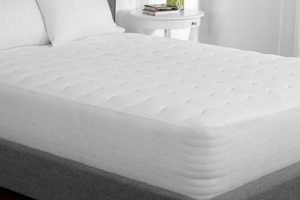
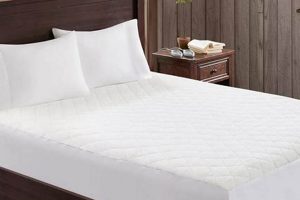
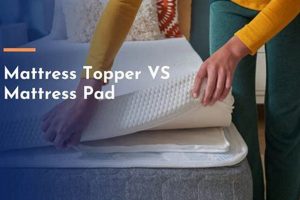
A bedding accessory designed to enhance comfort and protect a mattress, typically crafted from certified organically grown cotton. This type of pad serves as a barrier against spills, allergens, and wear, prolonging the lifespan of the underlying mattress. The material used in its construction distinguishes it from conventional counterparts, adhering to stringent ecological and processing standards.
Its significance lies in the provision of a sleeping surface that minimizes exposure to synthetic chemicals and pesticides often found in conventionally produced materials. This can be particularly beneficial for individuals with sensitivities or allergies. Historically, the move toward such bedding options reflects a growing consumer awareness of environmental sustainability and the health implications of textile production.
The subsequent discussion will delve into the specific advantages of utilizing this material, the certification processes involved, and factors to consider when selecting an appropriate product for individual needs and preferences. Further exploration will cover care instructions and the overall contribution to a more sustainable and healthy sleep environment.
Selection and Maintenance Strategies
The following guidelines are designed to inform consumers on the proper selection and care, ensuring optimal performance and longevity.
Tip 1: Verify Certification: Ensure the product carries a recognized organic certification, such as GOTS (Global Organic Textile Standard). This confirms adherence to strict environmental and social criteria throughout the supply chain.
Tip 2: Consider Material Weight and Density: A higher density fill generally indicates greater durability and comfort. Assess the weight and loft to determine suitability for individual sleep preferences.
Tip 3: Examine Stitching and Construction: Reinforced stitching and a well-constructed design contribute to the pad’s ability to withstand regular use and washing without compromising its integrity.
Tip 4: Review Washing Instructions: Adhere to the manufacturer’s recommended washing procedures to prevent shrinkage, damage to the fibers, and premature wear. Use gentle, eco-friendly detergents.
Tip 5: Air Dry When Possible: Tumble drying can degrade the fibers over time. Air drying, either indoors or outdoors (away from direct sunlight), is preferable for preserving the pad’s quality and extending its lifespan.
Tip 6: Consider Mattress Depth: Verify the pad’s pocket depth is compatible with the mattress thickness to ensure a secure and proper fit, preventing slippage during sleep.
Tip 7: Assess for Allergen Sensitivity: While inherently hypoallergenic, thoroughly inspect the product’s materials and manufacturing processes if known allergies are present. Seek out options with minimal processing.
By carefully considering these points, consumers can make informed choices, securing a bedding accessory that provides both comfort and adherence to environmentally conscious principles.
The final section will encapsulate the key considerations discussed, providing a succinct overview of the benefits and care requirements.
1. Comfort

The perception of comfort is intrinsically linked to the material properties of bedding. A mattress pad constructed from organically cultivated cotton contributes to enhanced comfort through several mechanisms. The natural fibers of this material are inherently breathable, facilitating air circulation and minimizing the accumulation of heat and moisture. This temperature regulation helps to maintain a consistent and comfortable sleeping environment, mitigating the discomfort often associated with synthetic materials that trap heat. For example, individuals residing in warmer climates may find a substantial improvement in sleep quality due to the increased breathability of such a pad.
Furthermore, the softness of cotton fibers directly influences tactile comfort. Organically grown cotton, processed without harsh chemicals, retains a natural suppleness that enhances the feel against the skin. This can be particularly important for individuals with sensitive skin or those prone to irritation from rougher materials. A practical application of this understanding is the selection of a mattress pad with a higher thread count, indicating a denser and softer weave, thereby maximizing the comfort experienced by the user. This contrasts with conventionally produced cotton, which may undergo chemical treatments that diminish its natural softness.
In summary, the comfort derived from a mattress pad of this composition stems from its inherent breathability and softness, resulting in improved temperature regulation and tactile sensation. While comfort is subjective, the objective properties of organically grown cotton provide a foundation for a more comfortable sleeping experience. The challenge lies in accurately assessing the quality and processing methods to ensure the material retains its natural comfort-enhancing characteristics. This understanding underscores the importance of certified products to ensure genuine comfort benefits.
2. Protection

In the realm of bedding, protection assumes a multi-faceted significance. An organic cotton mattress pad serves not only to enhance sleep comfort but also to safeguard the underlying mattress from various detrimental elements. This protective function extends the mattress’s lifespan and preserves its hygienic integrity.
- Barrier Against Liquids and Stains
The primary protective function of a mattress pad is to act as a barrier against liquids and stains. Spills, sweat, and accidental liquid damage can compromise the integrity of a mattress, fostering mold growth and odor retention. A well-constructed mattress pad, especially one incorporating a waterproof or water-resistant layer, prevents these liquids from penetrating the mattress core. For instance, during a child’s bedwetting incident or an accidental spill of a beverage, the pad absorbs the liquid, preventing it from reaching the mattress and causing permanent staining or damage.
- Protection from Allergens and Dust Mites
Mattresses can become breeding grounds for dust mites and allergens, which can trigger allergic reactions and respiratory issues. An organic cotton mattress pad creates a physical barrier that minimizes the accumulation of these allergens within the mattress. Furthermore, these pads are washable, allowing for the regular removal of allergens and dust mites, contributing to a cleaner and healthier sleep environment. This is particularly beneficial for individuals with asthma or allergies, providing a measure of relief from nighttime symptoms.
- Defense Against Wear and Tear
Daily use and body weight can cause wear and tear on a mattress, leading to sagging, indentations, and a reduct
ion in support. A mattress pad acts as a buffer, distributing weight more evenly and minimizing direct friction between the sleeper and the mattress surface. This helps to preserve the mattress’s shape and structural integrity over time. For example, the regular use of a mattress pad can prevent premature sagging in high-pressure areas, such as where the hips and shoulders rest. - Enhancement of Mattress Hygiene
Beyond liquid and allergen protection, a mattress pad contributes to overall mattress hygiene. It absorbs body oils, dead skin cells, and other debris that can accumulate on the mattress surface. Regular washing of the pad removes these contaminants, preventing them from building up within the mattress and creating an unsanitary environment. This is especially important in maintaining a fresh and clean sleep surface, promoting better sleep quality and overall health.
The protective capabilities of an organic cotton mattress pad are integral to its value. By safeguarding the mattress from liquids, allergens, wear and tear, and by enhancing overall hygiene, it preserves the investment in the mattress itself and promotes a healthier and more comfortable sleep environment. These protective features, coupled with the benefits of organic cotton, position the mattress pad as a key component of a well-maintained and health-conscious sleep system.
3. Sustainability

The nexus between sustainability and this type of bedding lies in the environmental and social impact of its production. Conventional cotton farming often involves the extensive use of pesticides, herbicides, and synthetic fertilizers, which can contaminate soil, water sources, and ecosystems. These chemicals pose risks to farmworkers, local communities, and biodiversity. Organic cotton cultivation, conversely, prohibits or severely restricts the use of these harmful substances, promoting soil health, water conservation, and biodiversity. For instance, organic farming practices encourage crop rotation, which improves soil fertility and reduces the need for synthetic inputs. Similarly, the absence of pesticides protects beneficial insects and other wildlife within and around the cotton fields. The practical significance of this shift lies in mitigating the negative environmental externalities associated with conventional cotton production.
Furthermore, the processing of organic cotton adheres to stringent standards that minimize the use of toxic chemicals in dyeing, bleaching, and finishing. This reduces the discharge of pollutants into waterways and lessens the exposure of consumers to potentially harmful substances. The Global Organic Textile Standard (GOTS) certification, for example, ensures that textiles meet rigorous environmental and social criteria throughout the entire supply chain, from the farm to the finished product. The availability of GOTS-certified mattress pads provides consumers with a tangible means of supporting sustainable textile production. Companies committed to sustainability also invest in water and energy efficiency measures, reducing their carbon footprint and promoting responsible resource management. The implementation of closed-loop water systems in textile mills, for instance, minimizes water consumption and pollution.
In summary, this bedding choice contributes to sustainability by minimizing pesticide use, promoting soil health, conserving water, and reducing chemical pollution. However, challenges remain in scaling up organic cotton production to meet growing demand and ensuring transparency and traceability throughout the supply chain. By prioritizing certified organic options and supporting companies committed to sustainable practices, consumers can drive positive change in the textile industry and contribute to a more environmentally responsible and socially equitable future. The broader implication of this choice extends beyond the individual consumer, fostering a culture of sustainability that values ecological integrity and social well-being.
4. Hypoallergenic
The designation “hypoallergenic” in relation to bedding signifies a reduced likelihood of causing allergic reactions. Organic cotton, when used in mattress pads, inherently possesses characteristics that contribute to this quality, distinguishing it from conventional materials often treated with allergenic substances. The cause-and-effect relationship is straightforward: organically grown cotton minimizes exposure to irritating chemicals, directly reducing the potential for allergic responses. This is particularly crucial for individuals with sensitive skin, asthma, or allergies to synthetic materials. The practical significance is that it provides a sleep surface less prone to triggering adverse reactions.
The importance of the hypoallergenic component in organic cotton mattress pads extends beyond simple comfort. Regular mattress pads constructed from synthetic fibers or conventionally grown cotton can harbor allergens such as dust mites and chemical residues from processing. Conversely, organic cotton, processed without harsh chemicals and often tightly woven, creates a less hospitable environment for dust mites, further minimizing allergenic potential. For example, a study comparing the air quality around beds with organic versus synthetic bedding found significantly lower levels of volatile organic compounds (VOCs) associated with the organic options. Real-life examples include parents choosing organic cotton bedding for infants prone to eczema or individuals with chemical sensitivities finding relief from nighttime congestion and skin irritation.
In summary, the hypoallergenic nature of organic cotton mattress pads is a direct result of its cultivation and processing methods, which reduce exposure to allergenic substances and create an environment less conducive to dust mites. This characteristic is of paramount importance for individuals seeking a sleep surface that minimizes the risk of allergic reactions and promotes overall respiratory health. A challenge remains in ensuring the authenticity of “organic” claims and verifying the absence of allergenic substances throughout the manufacturing process, highlighting the importance of certifications like GOTS. Ultimately, the connection between “hypoallergenic” and “organic cotton mattress pads” is based on scientific principles and practical benefits, contributing to a healthier and more comfortable sleep environment.
5. Durability
The lifespan of a mattress pad is directly influenced by the inherent properties of its constituent materials. Organic cotton, while valued for its hypoallergenic and sustainable qualities, also exhibits characteristics that contribute to the overall durability of the product. A significant determinant is the fiber length and weave density. Longer cotton fibers, when tightly woven, create a more resilient fabric capable of withstanding repeated use and laundering. This resistance to wear and tear is crucial for a bedding item that is subjected to frequent washing to maintain hygiene and allergen control. The selection of a high-quality organic cotton variety, coupled with skilled manufacturing techniques, results in a mattress pad that retains its structural integrity and protective function over an extended period. Conversely, substandard materials or inferior construction
can lead to premature degradation, necessitating more frequent replacements. The practical significance of this durability is a lower long-term cost, despite the initial investment potentially being higher than less durable alternatives.
The durability of this product also depends on appropriate care and maintenance. While organic cotton is generally resilient, adherence to specific washing instructions is paramount. High heat and harsh detergents can weaken the fibers, reducing the pad’s ability to withstand wear. Gentle washing cycles and mild detergents, along with air drying whenever feasible, help to preserve the fabric’s strength and elasticity. Furthermore, the presence of a protective layer, such as a waterproof membrane, can contribute to the pad’s durability by preventing liquid damage from penetrating the core fibers. Real-life examples underscore the importance of care; a mattress pad washed frequently at high temperatures may exhibit shrinkage, pilling, and thinning, while one treated with care can maintain its original shape and function for years.
In summary, the durability of an organic cotton mattress pad is a function of material quality, manufacturing techniques, and user care. Investing in a high-quality product and following recommended maintenance practices maximizes its lifespan, providing long-term value and reducing the environmental impact associated with frequent replacements. The challenges lie in discerning product quality from marketing claims and adhering to consistent care routines. The inherent connection between durability and this bedding option underscores its contribution to both economic value and environmental sustainability.
6. Certification

The presence of recognized certifications is inextricably linked to the validity of claims regarding a mattress pad’s organic cotton composition. Certification serves as an independent verification process, assuring consumers that the cotton used in the product meets established standards for organic farming and processing. Without certification, claims of “organic” origin are unsubstantiated and potentially misleading. The cause-and-effect relationship is clear: organic farming practices (the cause) must be verified by a certifying body (the mechanism) to ensure the authenticity of the “organic” designation (the effect). This is of paramount importance because conventional cotton farming often relies on harmful pesticides and synthetic fertilizers, practices that organic certification aims to prevent. Real-life examples include the Global Organic Textile Standard (GOTS) and the Organic Content Standard (OCS), each with its own criteria for assessing the organic content and processing methods. The practical significance of this understanding lies in the ability to make informed purchasing decisions, supporting truly organic practices rather than merely accepting unsubstantiated claims.
Further analysis reveals that various certification levels exist, each with distinct requirements. Some certifications focus solely on the organic content of the cotton fiber, while others address the entire supply chain, including dyeing, finishing, and manufacturing processes. For example, GOTS certification requires compliance with stringent environmental and social criteria at every stage of production, ensuring not only the organic integrity of the cotton but also fair labor practices and responsible water usage. Practical applications of this knowledge include consumers seeking mattress pads with comprehensive certifications like GOTS to support ethical and sustainable manufacturing practices. This differs from certifications that only verify the absence of specific chemicals, which, while valuable, do not guarantee a fully organic and sustainable product. The differentiation allows for a nuanced understanding of the various claims associated with “organic” bedding.
In conclusion, certification is a critical component in evaluating the authenticity and sustainability of a claimed organic cotton mattress pad. The challenges lie in discerning the scope and rigor of different certification schemes and ensuring that manufacturers adhere to the standards throughout the entire supply chain. By prioritizing products with reputable certifications and understanding the criteria they represent, consumers can contribute to a more transparent and environmentally responsible textile industry. The broader theme revolves around accountability and consumer empowerment, enabling individuals to make informed choices that align with their values and support sustainable practices.
7. Maintenance
The longevity and continued utility of an organic cotton mattress pad are directly dependent on consistent and appropriate maintenance practices. Improper care can negate the benefits of organic materials, leading to premature degradation and potential allergen buildup. The correlation between maintenance and product lifespan is a direct cause-and-effect relationship: diligent care extends the pad’s usability, while neglect diminishes its effectiveness. The practical significance of understanding proper maintenance lies in maximizing the investment in an ecologically sound bedding accessory and ensuring a consistently clean and healthy sleep environment. A mattress pad not properly cleaned can accumulate dust mites and body oils, negating the hypoallergenic benefits of the organic cotton.
Further analysis reveals that specific maintenance routines tailored to the composition and construction of the mattress pad are essential. Washing instructions provided by the manufacturer must be meticulously followed, paying close attention to water temperature, detergent type, and drying methods. High heat during washing or drying can shrink or damage the cotton fibers, compromising the pad’s integrity and comfort. Harsh detergents can leave residues that irritate sensitive skin, counteracting the hypoallergenic advantages. Real-world examples include air-drying a mattress pad to prevent shrinkage and using mild, plant-based detergents to avoid chemical sensitivities. Moreover, regular vacuuming of the mattress pad can help remove surface dust and allergens between washings, further extending its cleanliness and lifespan.
In conclusion, the maintenance of an organic cotton mattress pad is not merely an ancillary task but an integral component of its overall value and performance. The challenges lie in adhering to specific care instructions and integrating maintenance routines into a regular household schedule. The broader theme underscores the responsibility of consumers to actively participate in preserving the quality and longevity of their purchases, particularly those designed to promote both personal well-being and environmental sustainability. Consistent and informed maintenance practices ensure that the benefits of an organic cotton mattress pad are realized over its intended lifespan.
Frequently Asked Questions
The following addresses prevalent inquiries concerning these bedding accessories, providing detailed and authoritative responses.
Question 1: What distinguishes an organic cotton mattress pad from a conventional alternative?
The primary distinction lies in the cultivation and processing of the cotton. Organic cotton is grown without synthetic pesticides, herbicides, or fertilizers, and its processing avoids harsh chemicals like formaldehyde and chlorine bleach. Conventional cotton farming typically relies heavily on these chemicals, which can have negative environmental and health impac
ts.
Question 2: How does one verify the authenticity of an “organic” claim?
Authenticity is confirmed through recognized third-party certifications, such as the Global Organic Textile Standard (GOTS) or the Organic Content Standard (OCS). These certifications ensure that the cotton meets stringent criteria for organic farming and processing, verified by independent auditors.
Question 3: What are the expected benefits for individuals with allergies or sensitivities?
These pads are inherently hypoallergenic due to the absence of synthetic chemicals commonly found in conventional bedding. This reduced chemical exposure can minimize allergic reactions and sensitivities, resulting in improved respiratory health and reduced skin irritation.
Question 4: What is the recommended cleaning procedure to maintain its integrity?
The recommended procedure involves washing in cold or lukewarm water with a mild, plant-based detergent. High heat and harsh chemicals should be avoided. Air drying is preferable to tumble drying, as excessive heat can damage the cotton fibers.
Question 5: What is the anticipated lifespan of this bedding accessory?
The anticipated lifespan varies depending on the quality of the materials and the care provided. A high-quality pad, properly maintained, can last for several years. However, inferior materials or neglect can significantly reduce its lifespan.
Question 6: Does the use of an organic cotton mattress pad contribute to environmental sustainability?
Yes, the production of organic cotton reduces the use of harmful chemicals, promotes soil health, conserves water, and protects biodiversity compared to conventional cotton farming. This makes it a more environmentally sustainable choice.
In conclusion, a discerning selection of this type of mattress pad, coupled with appropriate care, offers both health and environmental benefits. Verification of organic claims through reputable certifications is paramount.
The subsequent analysis will explore the market landscape, encompassing various brands and price points.
Conclusion
The foregoing exploration of the organic cotton mattress pad reveals a product category characterized by distinct advantages, specifically pertaining to health, environmental impact, and durability. Key considerations include the verification of organic claims through reputable certifications, adherence to appropriate maintenance procedures, and a discerning assessment of material quality. The benefits extend beyond mere comfort, encompassing a reduction in exposure to harmful chemicals and a contribution to sustainable agricultural practices.
The decision to acquire this particular bedding accessory, therefore, warrants careful consideration of the factors outlined. A properly selected and maintained organic cotton mattress pad represents a responsible investment in both personal well-being and environmental stewardship. Ongoing advancements in textile technology and agricultural practices suggest a continued refinement of these products, further enhancing their benefits and solidifying their role in promoting healthier and more sustainable lifestyles.