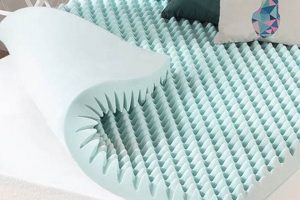
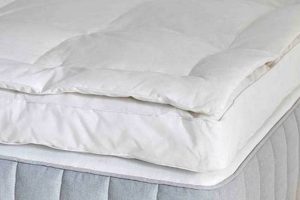
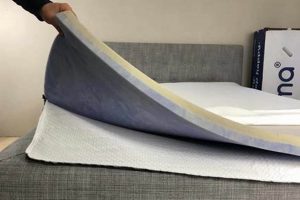
Bedding designed to cover and protect an additional layer placed on top of a mattress is essential for maintaining hygiene and comfort. These coverings, typically made from materials like cotton, microfiber, or bamboo, encase the topper and prevent direct contact with skin and potential spills. A fitted sheet with deep pockets is a common example, accommodating the combined height of the mattress and the added layer.
Properly covering this additional layer enhances its longevity by preventing staining and wear. Furthermore, it contributes to a more comfortable sleep environment. Historically, protecting mattresses with additional coverings has been a common practice, evolving from simple fabric drapes to specifically designed fitted options that address the needs of modern bedding configurations.
The subsequent discussion will delve into the various types of bedding available for use with mattress enhancements, factors to consider when selecting the appropriate size and material, and best practices for maintaining cleanliness and extending the lifespan of both the covering and the underlying topper.
Essential Guidance for Selecting and Maintaining Bedding for Mattress Enhancements
Optimizing the lifespan and comfort of a mattress enhancement requires careful consideration of the bedding used to cover it. The following guidance aims to provide essential information for informed selection and maintenance.
Tip 1: Prioritize Deep Pocket Fitted Sheets: Ensure the selected fitted sheet possesses sufficient depth to accommodate both the mattress and the added height of the topper. Insufficient depth will result in the sheet detaching from the corners, compromising protection and comfort.
Tip 2: Select Breathable Materials: Opt for materials like cotton, linen, or bamboo, which promote airflow and reduce heat retention. This is particularly important for memory foam toppers that can trap heat. Poor ventilation can lead to discomfort and reduced sleep quality.
Tip 3: Consider Fabric Weave for Durability: A tighter weave, such as percale or sateen, typically indicates greater durability and resistance to wear and tear. A more durable fabric will better withstand frequent washing and everyday use, extending the lifespan of the covering.
Tip 4: Implement a Regular Washing Schedule: Establish a consistent washing schedule, ideally every one to two weeks, to remove dust mites, allergens, and body oils. Regular washing prevents the buildup of contaminants and maintains hygiene.
Tip 5: Rotate Bedding Sets Regularly: Having multiple sets allows for rotation, minimizing wear and tear on individual pieces. Rotating sets extends the life of each set and ensures a fresh, clean surface is always available.
Tip 6: Employ a Mattress Protector: While bedding offers a degree of protection, consider using a dedicated mattress protector underneath to shield the topper from spills, stains, and allergens. This adds an extra layer of defense and preserves the integrity of the topper.
Tip 7: Check for Shrinkage Before First Use: Wash the new bedding before its initial use to pre-shrink the fabric. This ensures a proper fit after subsequent washes and prevents unexpected size alterations.
Selecting appropriate bedding and adhering to a consistent maintenance routine will contribute to the preservation of the mattress enhancement and the optimization of sleep quality. Breathable materials, proper fit, and regular cleaning are paramount.
The subsequent sections will explore specific material properties and their impact on comfort and durability in greater detail.
1. Deep Pocket Necessity
The compatibility between bedding and mattress toppers is fundamentally determined by the depth of the fitted sheet. This dimension dictates whether the sheet can securely encase both the mattress and the added layer, preventing slippage and maintaining a smooth sleeping surface.
- Accommodating Added Height
The primary role of a deep pocket sheet is to accommodate the combined height of the mattress and the topper. Standard fitted sheets often lack the necessary depth, leading to the sheet pulling away from the corners. For example, a mattress that is 12 inches thick, combined with a 3-inch topper, requires a sheet with a pocket depth of at least 15 inches to ensure a secure fit. The implication of using a standard sheet on such a combination is constant readjustment and compromised comfort.
- Preventing Sheet Slippage
Inadequate pocket depth directly contributes to sheet slippage. When the sheet cannot fully encompass both the mattress and topper, tension is created, causing the corners to detach. This is particularly prevalent with thicker toppers or mattresses. A scenario demonstrating this is when a memory foam topper is used; its tendency to conform to body weight increases the likelihood of sheet detachment if the pocket is too shallow. The consequence is disrupted sleep and increased wear on the sheet.
- Maintaining a Smooth Sleeping Surface
Deep pocket sheets are essential for maintaining a smooth, wrinkle-free sleeping surface. When the sheet fits properly, it lies flat without bunching or creasing. Conversely, a shallow pocket depth results in the sheet being stretched tautly across the surface, creating discomfort and potential pressure points. An illustration of this is when sleeping on a sheet pulled tightly over a thick topper; the lack of give can lead to reduced blood circulation and discomfort. The effect is a less restful sleep experience.
- Extending Sheet Lifespan
Selecting sheets with appropriate pocket depth indirectly contributes to extending their lifespan. A sheet that is constantly being stretched and pulled is more susceptible to tearing and wearing out prematurely. The strain placed on the seams and fabric when the sheet is too small accelerates degradation. An example is the fraying of elastic around the edges of a fitted sheet due to continuous overextension. The outcome is the need for more frequent sheet replacement.
In summation, deep pocket necessity is a crucial determinant of bedding suitability for mattresses augmented with toppers. The ability to accommodate added height, prevent slippage, maintain a smooth surface, and extend sheet lifespan collectively underscores the importance of this feature when selecting “sheets for mattress topper.” Failure to prioritize adequate pocket depth compromises comfort, hygiene, and the longevity of the bedding investment.
2. Material Breathability

The selection of breathable materials is paramount when choosing bedding designed for use with mattress toppers. The breathability of “sheets for mattress topper” directly impacts temperature regulation and overall slee
p comfort, particularly when used in conjunction with materials like memory foam that can retain heat.
- Enhanced Air Circulation
Breathable fabrics, such as cotton, linen, and bamboo, facilitate air circulation around the body, mitigating the accumulation of heat and moisture. This is critical as mattress toppers, especially those made of memory foam, often lack inherent ventilation. The implication of selecting non-breathable materials, like tightly woven synthetics, is an increased risk of overheating and discomfort during sleep. For instance, using polyester sheets with a memory foam topper can create a humid microclimate, disrupting sleep patterns.
- Moisture Management
Breathable fabrics possess the ability to wick away moisture, preventing the build-up of perspiration and maintaining a dry sleeping surface. This is particularly relevant in warmer climates or for individuals prone to night sweats. Conversely, non-breathable fabrics trap moisture, creating a breeding ground for bacteria and potentially leading to skin irritation. The effect of using moisture-trapping sheets is an increased risk of discomfort and hygiene issues. This contrasts with moisture-wicking materials that help to dissipate sweat and maintain a cool, dry environment.
- Regulation of Body Temperature
The inherent property of breathable materials to dissipate heat contributes to a more stable body temperature throughout the night. This is essential for achieving optimal sleep quality as fluctuations in temperature can disrupt sleep cycles. Non-breathable sheets impede the body’s natural cooling mechanisms, resulting in restless sleep. An illustration of this is the experience of waking up feeling overheated and uncomfortable due to using synthetic sheets with a heat-retaining topper. Breathable fabrics, by contrast, promote a more consistent and comfortable temperature range.
- Minimization of Allergen Accumulation
Breathable fabrics contribute to a drier sleep environment, reducing the likelihood of dust mites and mold growth. These allergens thrive in humid conditions, making the selection of breathable bedding crucial for individuals with allergies or sensitivities. Non-breathable materials create a more hospitable environment for these allergens, potentially exacerbating respiratory issues and skin irritations. The advantage of breathable sheets is their contribution to a healthier sleep environment by minimizing allergen proliferation.
The interrelation of these facets underscores the importance of prioritizing material breathability when selecting “sheets for mattress topper.” The selection of appropriate fabrics not only enhances comfort and sleep quality but also contributes to hygiene and allergen management. The cumulative effect of these considerations is a more restful and healthier sleep experience.
3. Thread Count Importance

Thread count, often a prominent descriptor in bedding, warrants careful consideration when selecting “sheets for mattress topper.” While not the sole determinant of quality, it offers insight into the fabric’s texture, durability, and overall feel against the skin.
- Impact on Fabric Softness
A higher thread count typically signifies a smoother and softer fabric. This is because more threads per square inch result in a tighter weave, reducing the prominence of individual fibers. For example, a 600-thread-count sheet will generally feel softer than a 200-thread-count sheet of similar material. This softness is particularly important when used in conjunction with a mattress topper, as it directly influences the comfort experienced during sleep. A rough sheet can negate the benefits of a conforming topper.
- Influence on Fabric Durability
While not directly proportional, thread count can correlate with fabric durability. A denser weave, achieved through a higher thread count, often implies greater resistance to wear and tear. However, the quality of the yarn used is equally crucial. A sheet made from long-staple cotton with a moderate thread count may outlast a sheet made from short-staple cotton with a very high thread count. In the context of “sheets for mattress topper,” durability is essential as the topper itself may add bulk, increasing stress on the sheet seams and fabric during movement.
- Effect on Breathability
The impact of thread count on breathability is complex. While a higher thread count can create a tighter weave, potentially reducing airflow, the type of fiber and weave pattern play a more significant role. For instance, a percale weave, even with a higher thread count, will generally be more breathable than a sateen weave with a similar thread count. When selecting “sheets for mattress topper,” particularly with materials like memory foam that tend to retain heat, prioritizing breathable fibers and weave patterns becomes more critical than focusing solely on thread count.
- Contribution to Overall Comfort
Thread count contributes to the overall tactile experience of bedding. It influences how the fabric feels against the skin, its drape, and its tendency to wrinkle. A higher thread count can provide a luxurious feel, enhancing the perceived value and comfort of the bedding. However, personal preference plays a significant role. Some individuals may prefer the crispness of a lower thread count percale, while others may favor the silky smoothness of a higher thread count sateen. When selecting “sheets for mattress topper,” it’s essential to consider individual preferences and the desired sleeping experience in addition to thread count alone.
In conclusion, while thread count offers a valuable metric for assessing “sheets for mattress topper,” it should not be the sole criterion. The type of fiber, weave pattern, and personal preferences collectively determine the suitability of bedding for use with mattress enhancements. A balanced consideration of these factors ensures a comfortable, durable, and satisfying sleep experience.
4. Fabric durability

The endurance of the material used in bedding directly impacts the longevity and performance of “sheets for mattress topper.” The selection of a robust fabric is critical, as these coverings are subject to frequent use, washing, and potential abrasion. A durable fabric maintains its integrity over time, providing sustained comfort and protection for the underlying topper.
- Resistance to Wear and Tear
A key aspect of fabric durability is its capacity to withstand everyday wear and tear. This encompasses resistance to pilling, tearing, and seam failure. For example, sheets made from long-staple cotton or linen, known for their inherent strength, are better equipped to endure repeated washing and nightly use than those made from weaker, short-staple fibers. The implication for “sheets for mattress topper” is that a more durable fabric will maintain its smooth surface and structural integrity, providing consistent comfort and preventing premature replacement.
- Colorfastness and Fade Resistance
Another crucial facet is the ability of the fabric to retain its color and resist fading over time. Exposure to sunlight, washing detergents, and body oils can cause the colors in bedding to fade, diminishing their aesthetic appeal.
Fabrics treated with colorfast dyes or those naturally resistant to fading, such as certain linen weaves, offer superior longevity in this regard. The relevance to “sheets for mattress topper” is that colorfastness ensures the bedding maintains its visual appeal, contributing to a more pleasant and inviting sleep environment, even after numerous washes. - Resistance to Stretching and Shrinkage
Durable fabrics exhibit minimal stretching or shrinkage after repeated washing. Excessive stretching can lead to a loose fit, compromising the sheet’s ability to stay securely on the mattress and topper. Conversely, significant shrinkage can render the sheet too small, making it difficult to put on and potentially causing tearing. Fabrics that have been pre-shrunk or those with inherent dimensional stability, such as tightly woven cotton blends, are preferable. The importance for “sheets for mattress topper” lies in maintaining a consistent and snug fit, ensuring the sheet remains in place and provides optimal comfort and protection.
- Abrasion Resistance
The ability of a fabric to withstand abrasion is particularly relevant for “sheets for mattress topper.” The added thickness of the topper, combined with body movement during sleep, can create friction between the sheet and the mattress. Durable fabrics, such as those with a tight weave and robust fiber structure, are less prone to abrasion damage, such as thinning or the development of holes. This ensures the sheet remains intact and continues to provide a smooth and protective barrier.
In summary, the fabric’s capacity to resist wear, maintain color, retain shape, and withstand abrasion are critical determinants of durability in “sheets for mattress topper.” By selecting bedding crafted from robust materials, consumers can ensure long-lasting comfort, protection, and aesthetic appeal, maximizing the value of their investment and contributing to a more restful and enjoyable sleep experience. The interplay of these factors underscores the importance of prioritizing fabric durability when selecting bedding for mattress enhancements.
5. Proper size

Accurate sizing is a critical determinant of functionality and comfort when selecting “sheets for mattress topper.” Improper dimensions compromise the fit, leading to potential discomfort and reduced protection of both the topper and the underlying mattress. A fitted sheet that is too small will stretch excessively, increasing the risk of tearing and slippage. Conversely, an oversized sheet will bunch up, creating an uneven and potentially uncomfortable sleep surface. A real-life example includes a queen-size bed with a three-inch topper requiring queen-size sheets with deep pockets, typically 15-18 inches, to accommodate the total depth. Standard queen sheets lack this depth, leading to frequent detachment from the corners.
The practical significance of understanding the proper size extends beyond mere comfort. Correctly sized sheets contribute to the longevity of both the sheet itself and the mattress topper. A tightly stretched sheet experiences increased stress on its seams and fabric, leading to premature wear. Furthermore, an ill-fitting sheet fails to adequately protect the topper from spills, stains, and allergens. For instance, if a stain penetrates an inadequately sized sheet, the topper absorbs the liquid, potentially causing irreversible damage and compromising its hypoallergenic properties. Conversely, properly fitted sheets act as a protective barrier, maintaining the topper’s cleanliness and extending its lifespan.
In summary, the selection of “sheets for mattress topper” necessitates meticulous attention to sizing. The correct dimensions ensure a snug, secure fit, optimizing comfort and protection. Failure to prioritize proper size results in discomfort, accelerated wear, and compromised hygiene. Overcoming this challenge requires precise measurement of the mattress and topper depth, followed by the selection of sheets explicitly designed to accommodate these dimensions. This consideration represents a fundamental aspect of maximizing the benefits of a mattress topper and ensuring a restful sleep experience.
6. Ease of care
The practicality of “sheets for mattress topper” is intrinsically linked to their ease of care. Bedding requires regular cleaning to maintain hygiene and prolong its lifespan. The selection of easily maintainable materials and designs is crucial for convenient upkeep.
- Machine Washability
The ability to launder sheets in a standard washing machine is a primary consideration for ease of care. Materials like cotton, microfiber, and linen generally offer machine washability, simplifying the cleaning process. The implication is reduced time and effort compared to materials requiring specialized cleaning methods. For example, sheets requiring dry cleaning incur additional costs and logistical challenges. The convenience of machine washability promotes more frequent cleaning, contributing to better hygiene. For example, if a sheet is stained from accidental spills, prompt machine washing prevents permanent staining.
- Tumble Dry Compatibility
Sheets that can be safely dried in a tumble dryer offer further convenience. This reduces drying time and eliminates the need for air drying, which can be impractical in certain environments. Fabrics resistant to shrinking and wrinkling during tumble drying are particularly desirable. Sheets that require ironing after drying add to the maintenance burden. Tumble dry compatibility contributes to streamlined laundry routines. As an instance, busy individuals or families with limited time may favor sheets that can be washed and dried within a single cycle.
- Stain Resistance
Fabrics with inherent stain resistance or those treated with stain-repellent finishes simplify the removal of spills and stains. This reduces the need for harsh cleaning agents and prolonged soaking, minimizing the risk of fabric damage. Stain resistance contributes to the long-term appearance and hygiene of the sheets. For instance, sheets used in children’s bedrooms or guest rooms may benefit from stain-resistant properties. The consequence of stain resistance is that it preserves fabric quality even with frequent use.
- Wrinkle Resistance
Sheets that resist wrinkling after washing and drying require minimal or no ironing. This saves time and effort, making them a practical choice for individuals seeking low-maintenance bedding. Wrinkle-resistant fabrics maintain a smooth and presentable appearance without the need for additional care. The benefit of this is a sheet looking clean and neat without extra ironing. The absence of wrinkles contributes to a more comfortable sleep surface, as creases can cause irritation and discomfort.
These aspects collectively highlight the importance of ease of care in the context of “sheets for mattress topper.” The practicality of machine washability, tumble dry compatibility, stain resistance, and wrinkle resistance significantly impacts the convenience and efficiency of maintaining clean and comfortable bedding. The cumulative effect of these features enhances the overall user experience and promotes optimal hygiene for the mattress topper and the user.
7. Protection against allergens
The ability of “sheets for mattress topper” to mitigate allergen exposure constitutes a significant aspect of their overall utility. This protective function is particularly relevant for individuals susceptible to respiratory or dermatological sensitivities triggered by common household allergens.
- Barrier Against Dust Mites
The tightly woven structure of certain fabrics employed in “sheets for mattress topper” creates a physical barrier against dust mites. These microscopic organisms, prevalent in bedding, are a common trigger for allergic reactions. A densely woven sheet prevents dust mites from penetrating the topper, minimizing exposure. For example, sheets with a thread count exceeding 300, particularly those made from tightly woven cotton or microfiber, offer enhanced protection. The implication is a reduced risk of allergic rhinitis and asthma symptoms.
- Inhibition of Mold Growth
Specific materials used in “sheets for mattress topper” possess moisture-wicking properties that inhibit the growth of mold and mildew. These fungi thrive in damp environments and release spores that can trigger allergic reactions. Fabrics like bamboo and certain synthetic blends facilitate the evaporation of moisture, creating a less hospitable environment for mold. An instance is the use of bamboo sheets in humid climates to mitigate mold proliferation. The resultant effect is a lower concentration of airborne allergens and improved indoor air quality.
- Prevention of Allergen Accumulation
The launderability of “sheets for mattress topper” allows for the regular removal of accumulated allergens, such as pollen, pet dander, and dust. Frequent washing effectively eliminates these irritants, preventing their build-up and minimizing exposure. For instance, a weekly wash cycle using hot water and a hypoallergenic detergent can significantly reduce allergen levels. The consequential benefit is a cleaner sleeping environment and a reduced likelihood of allergic reactions.
- Encapsulation of Existing Allergens
Specialized allergen-barrier encasements, used in conjunction with “sheets for mattress topper,” completely enclose the topper, preventing the escape of any existing allergens. These encasements, often made from tightly woven microfiber or laminated fabrics, create an impermeable barrier. An example is the use of a zippered encasement to seal off a mattress topper that may already contain dust mites. The definitive result is the containment of allergens and a minimized risk of exposure for sensitive individuals.
The aforementioned facets collectively emphasize the role of “sheets for mattress topper” in creating a hypoallergenic sleep environment. By providing a barrier against dust mites, inhibiting mold growth, facilitating allergen removal, and encapsulating existing allergens, these coverings contribute to a reduction in allergic triggers and an improvement in overall well-being. The interplay between material selection, weave density, and laundering practices dictates the efficacy of this protective function.
Frequently Asked Questions
The following section addresses common inquiries regarding the selection and utilization of sheets specifically designed for mattress toppers. This information is intended to provide clarity and assist in making informed purchasing decisions.
Question 1: What distinguishes sheets designed for mattress toppers from standard sheets?
Sheets intended for mattress toppers are typically characterized by deeper pockets to accommodate the added height of the topper. Standard sheets often lack sufficient depth, leading to slippage and an inadequate fit.
Question 2: What pocket depth is recommended when selecting sheets for a mattress topper?
The recommended pocket depth depends on the thickness of both the mattress and the topper. Measure the combined height and select sheets with a pocket depth equal to or slightly greater than this measurement to ensure a secure fit.
Question 3: What materials are most suitable for sheets used in conjunction with memory foam mattress toppers?
Breathable materials such as cotton, linen, or bamboo are recommended for memory foam toppers, as these materials promote airflow and mitigate heat retention, addressing the tendency of memory foam to trap heat.
Question 4: How frequently should sheets used on a mattress topper be laundered?
Sheets should be laundered every one to two weeks to remove dust mites, allergens, and body oils. More frequent washing may be necessary for individuals with allergies or sensitivities.
Question 5: Do specialized allergen-barrier encasements eliminate the need for regular sheet washing?
Allergen-barrier encasements provide an additional layer of protection but do not eliminate the need for regular sheet washing. Sheets should still be laundered regularly to maintain hygiene and comfort.
Question 6: Does a higher thread count invariably equate to superior sheet quality for use with mattress toppers?
While thread count can contribute to softness and durability, it is not the sole determinant of sheet quality. The type of fiber, weave pattern, and finishing processes also significantly influence performance and longevity.
In conclusion, selecting appropriate sheets for mattress toppers necessitates careful consideration of pocket depth, material breathability, laundering practices, and overall sheet construction. A balanced approach ensures optimal comfort, hygiene, and longevity.
The subsequent sections will explore specific care instructions and troubleshooting tips for common sheet-related issues.
Sheets for Mattress Topper
This exploration has emphasized the multifaceted considerations involved in selecting “sheets for mattress topper.” From ensuring adequate pocket depth and material breathability to evaluating fabric durability and ease of care, the optimal choice hinges on a nuanced understanding of individual needs and priorities. The protective function against allergens further underscores the significance of informed decision-making in this area. The article has highlighted specific instances, properties and factors of “sheets for mattress topper” that need to be considered.
The ultimate objective remains the creation of a sleep environment that promotes both comfort and well-being. Consequently, continued diligence in researching and selecting appropriate “sheets for mattress topper” is warranted, ensuring the sustained performance of both the bedding and the underlying mattress enhancement. Further research of “sheets for mattress topper” is needed to tackle the changing dynamics and new types of materials.
![Best King Size Mattress Topper [Guide & Review] | Organic & Natural Mattress Buyer’s Guide: Non-Toxic Sleep Solutions](https://mattressworldpa.com/wp-content/uploads/2025/07/th-6136-300x200.jpg "Best King Size Mattress Topper [Guide & Review] Organic & Natural Mattress Buyer’s Guide: Non-Toxic Sleep Solutions")