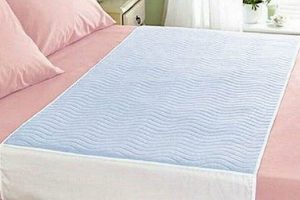
A mattress pad is a layer of cushioning designed to lie atop a mattress, providing additional comfort and protection. These pads are typically thin and secured with elastic straps or a fitted skirt, similar to a fitted sheet. For example, individuals seeking a softer sleeping surface might choose a quilted pad, while those concerned with allergens may opt for a hypoallergenic option.
The primary function of a mattress pad is to enhance sleep quality by adding a layer of softness or support, thus potentially alleviating pressure points. Furthermore, it serves as a barrier against spills, stains, and general wear and tear, extending the lifespan of the underlying mattress. Historically, simpler versions were used to improve the comfort of basic mattresses; modern iterations offer a wider range of materials and features, addressing specific needs like temperature regulation or moisture wicking.
Understanding the characteristics and advantages of these protective layers is essential for informed purchasing decisions. Further discussion will elaborate on the various types available, the materials they are constructed from, and factors to consider when selecting the appropriate product for individual needs and preferences.
Selecting the Appropriate Mattress Pad
Choosing the right mattress pad requires careful evaluation of individual needs and mattress characteristics. These tips offer guidance to ensure optimal comfort and protection.
Tip 1: Material Composition: Analyze the materials used in the pad’s construction. Cotton offers breathability, while memory foam provides enhanced contouring. Individuals with allergies should consider hypoallergenic materials like bamboo or microfiber.
Tip 2: Thickness and Loft: Evaluate the pad’s thickness. Thicker pads provide more cushioning but may alter the feel of the underlying mattress. Consider the existing mattress’s firmness when determining desired thickness.
Tip 3: Attachment Method: Examine the pad’s attachment method. Fitted skirts offer secure placement, while elastic straps are more adjustable but may shift. Ensure the attachment method is compatible with the mattress’s depth.
Tip 4: Cleaning and Maintenance: Check the care instructions. Machine-washable options simplify maintenance. Consider stain-resistant treatments to prolong the pad’s lifespan.
Tip 5: Temperature Regulation: Evaluate the pad’s temperature-regulating properties. Cooling pads, often infused with gel, may benefit individuals who sleep hot. Breathable materials can also enhance airflow.
Tip 6: Mattress Protection: Assess the pad’s ability to protect against spills and allergens. Waterproof or water-resistant options offer enhanced protection. Consider an encasement-style pad for comprehensive allergen protection.
By considering these factors, individuals can select a mattress pad that effectively enhances comfort, protects the mattress, and promotes a more restful sleep environment.
In conclusion, careful consideration of these tips will lead to a well-informed decision, maximizing the benefits of a mattress pad. The subsequent sections will delve deeper into specific types and their intended uses.
1. Protection
Protection, as it relates to a mattress pad, is primarily concerned with shielding the underlying mattress from a variety of potential hazards that can diminish its lifespan and hygiene. These threats include spills, stains, body fluids, dust mites, allergens, and general wear and tear. The effectiveness of a mattress pad in this protective role directly correlates with its material composition, construction, and any additional features designed to enhance its barrier capabilities. For instance, a waterproof mattress pad made with a polyurethane backing provides a robust defense against liquid penetration, preventing stains and the growth of mold or mildew within the mattress core. This preventative measure is particularly important for individuals with allergies or those concerned with maintaining a clean and hygienic sleep environment.
Beyond liquid protection, a mattress pad also acts as a physical barrier against the accumulation of dust mites and other allergens within the mattress fibers. By trapping these irritants on its surface, the pad can be regularly laundered, effectively removing the allergens and reducing exposure for the sleeper. Furthermore, the pad absorbs some of the friction and pressure exerted on the mattress surface, minimizing wear and tear over time. In the hospitality industry, where mattress longevity is paramount, the consistent use of protective mattress pads can significantly reduce replacement costs. Similarly, in residential settings, a quality pad can preserve the comfort and integrity of a mattress for several years beyond its unprotected lifespan. Certain high-end mattress pads incorporate antimicrobial treatments that further inhibit the growth of bacteria and fungi, providing an additional layer of protection against microbial contamination.
In summary, the protective function of a mattress pad is a multifaceted benefit that contributes to both the cleanliness and longevity of the mattress. The ability to shield against spills, allergens, and general wear makes it a practical and cost-effective investment. Understanding the level of protection offered by different pad types allows for informed decision-making based on individual needs and concerns. Though the material and specific construction influence the extent of protection, the core function remains consistent: to preserve the integrity of the mattress and provide a healthier sleep environment.
2. Comfort

The integration of comfort as a primary function of a mattress pad directly influences sleep quality and overall well-being. A mattress pad, designed to augment the existing sleep surface, often serves to mitigate pressure points, distribute weight more evenly, and provide a softer or more supportive feel. Insufficient comfort can lead to restless sleep, musculoskeletal pain, and reduced cognitive function. Conversely, a well-chosen pad can transform a firm or aging mattress into a more accommodating sleep environment. As an example, individuals experiencing back pain may find relief from a memory foam pad that conforms to the body’s contours, offering customized support and reducing strain on the spine.
The impact of a mattress pad on comfort extends beyond mere softness. Certain materials, such as latex or wool, offer enhanced breathability, regulating temperature and minimizing nighttime sweating. This temperature regulation contributes significantly to comfort levels, particularly for individuals prone to overheating during sleep. Moreover, the choice of fill material, whether it be down alternative, fiberfill, or gel-infused foam, dictates the degree of cushioning and support provided. Practical application of this understanding involves considering individual sleep preferences and needs when selec
ting a pad. A side sleeper, for instance, may require a thicker, plusher pad to alleviate pressure on the hips and shoulders, while a back sleeper might benefit from a firmer, more supportive option.
In summary, the comfort derived from a mattress pad is a crucial element contributing to restorative sleep. The careful consideration of material, thickness, and support level allows for a tailored sleep experience, addressing individual needs and enhancing overall sleep quality. Challenges arise when generic products fail to account for specific body types or sleep preferences. Therefore, understanding the interplay between comfort and the characteristics of different pad types is essential for maximizing the potential benefits of this sleep accessory.
3. Material

The material composition of a mattress pad is a determining factor in its performance, influencing comfort, durability, breathability, and protective capabilities. Selecting the appropriate material is critical for aligning the pad’s functionality with specific needs and preferences.
- Cotton
Cotton mattress pads are valued for their breathability and natural softness. They are generally hypoallergenic and relatively inexpensive. However, cotton tends to absorb moisture, potentially creating a damp sleeping environment and making it less suitable for individuals prone to night sweats. Additionally, cotton pads may require more frequent washing and can flatten over time, reducing their loft and cushioning effect. A practical example is the use of cotton pads in warmer climates, where their breathability is a significant advantage.
- Memory Foam
Memory foam mattress pads offer enhanced contouring and pressure relief, conforming to the body’s shape and distributing weight evenly. This material is particularly beneficial for individuals with back pain or joint issues. However, memory foam can retain heat, potentially leading to discomfort for hot sleepers. Gel-infused memory foam options attempt to mitigate this issue by dissipating heat more effectively. In a healthcare setting, memory foam pads are often used to prevent pressure ulcers in bedridden patients.
- Polyester Fiberfill
Polyester fiberfill, often used as an alternative to down, provides a soft and plush feel at a lower cost. These pads are typically hypoallergenic and easy to care for. However, polyester fiberfill tends to flatten more quickly than other materials, reducing its long-term cushioning effect. A common application is in budget-friendly mattress pads designed for general use and minimal maintenance.
- Wool
Wool mattress pads offer natural temperature regulation, wicking away moisture and providing warmth in winter and coolness in summer. Wool is also naturally fire-resistant and hypoallergenic. While more expensive than synthetic alternatives, wool pads are durable and offer long-lasting comfort. Farmers who live in cold region typically use wool mattress pad.
The choice of material fundamentally shapes the characteristics of a mattress pad, impacting its performance in terms of comfort, protection, and longevity. Understanding the properties of different materials is essential for selecting a pad that effectively meets individual needs and preferences. For instance, individuals prioritizing breathability may opt for cotton or wool, while those seeking pressure relief may choose memory foam. In all cases, the material serves as the foundation for the pad’s overall functionality.
4. Thickness

Thickness, as a measurable dimension of a mattress pad, directly influences the degree of comfort and support it provides, subsequently affecting sleep quality. The relationship between the depth of a mattress pad and its functionality is causal: greater thickness generally correlates with increased cushioning and pressure relief. This is particularly relevant for individuals seeking to modify the firmness of their existing mattress. For instance, a thin, 1-inch mattress pad offers minimal alteration to the underlying mattress feel, primarily serving as a protective barrier. Conversely, a thicker, 3-inch pad can significantly soften a firm mattress, providing enhanced comfort for side sleepers or individuals experiencing joint pain.
The practical significance of understanding thickness lies in its impact on both comfort and mattress longevity. While a thicker pad offers more immediate comfort, it may also compress over time, reducing its effectiveness. The material used in conjunction with the thickness determines the pad’s durability and resilience. A thick memory foam pad, for example, might provide excellent initial comfort but could retain heat, leading to discomfort. In contrast, a thick latex pad offers greater breathability and long-term support. Hotels often utilize moderately thick pads to balance guest comfort with the pad’s ability to withstand frequent use and laundering.
In summary, the thickness of a mattress pad is a critical factor determining its comfort, support, and overall impact on the sleep experience. Choosing the appropriate thickness requires considering individual needs, sleep preferences, and the characteristics of the underlying mattress. While greater thickness generally translates to increased cushioning, the material composition plays an equally important role in determining long-term performance and suitability. Failing to consider both thickness and material can result in a mattress pad that either fails to provide adequate comfort or deteriorates quickly, negating its intended benefits.
5. Attachment
Attachment, concerning a mattress pad, refers to the means by which the pad is secured to the mattress, directly influencing its stability, functionality, and the overall sleep experience. The method of attachment ensures the pad remains in place, preventing shifting or bunching that can disrupt sleep and compromise its intended benefits. Inadequate attachment renders a mattress pad ineffective, negating its comfort and protective qualities. Consider a scenario where a pad with loose elastic straps repeatedly slips off the corners of the mattress; this instability creates uneven sleeping surfaces, leading to discomfort and potentially exacerbating pressure points. Conversely, a well-secured pad, whether through fitted skirts or robust elastic bands, maintains a consistent sleeping surface, enhancing comfort and ensuring consistent protection against spills and allergens. A practical example is the use of fitted skirt attachments in hospitality settings, where the frequency of mattress changes necessitates secure and reliable pad placement.
Further analysis reveals that attachment methods vary in their effectiveness and suitability for different mattress types. Deep-pocket fitted skirts, designed for thicker mattresses, provide a more secure fit than simple elastic corner straps, which may be prone to slippage. Zippers that fully encase the mattress offer the highest level of security and protection but can be more cumbersome to install and remove. The selection of an appropriate attachment method should consider the dimensions of the mattress, the user’s physical capabilities, and the desired level of security. For example, individuals with limited mobility may find fitted sk
irts easier to manage than full encasement zippers. Similarly, mattresses placed on adjustable beds require flexible attachment methods that can accommodate movement without compromising the pad’s position. A critical consideration involves the compatibility of the attachment system with the mattress protector, if one is used.
In summary, the attachment mechanism is an integral component of a mattress pad, directly impacting its performance and user satisfaction. A secure and reliable attachment system is essential for maintaining a consistent sleeping surface, enhancing comfort, and ensuring the pad effectively protects the underlying mattress. Challenges arise when selecting an attachment method that is both secure and easy to manage. Therefore, careful consideration of mattress dimensions, user needs, and the overall sleeping environment is crucial for maximizing the benefits of a mattress pad. The absence of a robust attachment system renders even the highest quality materials and construction techniques ineffective.
6. Maintenance
Maintenance is a critical aspect of mattress pad ownership, influencing its longevity, hygiene, and continued performance in providing comfort and protection. Proper maintenance procedures ensure the pad remains effective in its intended functions, while neglect can lead to diminished performance and a shorter lifespan.
- Regular Washing
Regular washing is essential for removing accumulated dust mites, allergens, and body fluids from the mattress pad. Frequency depends on usage and material, but generally, washing every 1-2 months is advisable. Failure to wash regularly can lead to allergen buildup and a less hygienic sleep environment. For example, a family with children and pets might need to wash the mattress pad more frequently to address spills and pet dander.
- Spot Cleaning
Spot cleaning addresses localized stains or spills promptly. Using a mild detergent and a clean cloth, the affected area should be gently blotted to remove the stain without saturating the pad. Neglecting spot cleaning can allow stains to set, potentially damaging the material and affecting its appearance. As a result, quick action to spot cleaning is always desirable.
- Drying Procedures
Proper drying is crucial to prevent mold and mildew growth within the mattress pad. Tumble drying on a low setting or air drying is recommended, ensuring the pad is completely dry before reuse. High heat can damage certain materials, such as memory foam or waterproof backings. A damp mattress pad, if placed back on the mattress, can create a breeding ground for bacteria and compromise the mattress’s integrity.
- Storage Practices
Proper storage is necessary when the mattress pad is not in use. Clean and completely dry the pad before folding or rolling it up and storing it in a cool, dry place. Storing a damp or dirty pad can lead to mold growth and unpleasant odors. For example, storing a seasonal wool mattress pad in a sealed container protects it from pests and environmental damage.
These maintenance practices directly contribute to the long-term value and effectiveness of a mattress pad. By adhering to recommended washing, spot cleaning, drying, and storage procedures, individuals can ensure their mattress pad continues to provide a clean, comfortable, and protective sleep surface. Neglecting these aspects can diminish the pad’s lifespan and compromise its intended benefits, ultimately affecting sleep quality and hygiene. A well-maintained mattress pad is an investment in both comfort and mattress preservation.
7. Regulation
Regulation, within the context of a mattress pad, pertains primarily to the management of temperature and moisture to facilitate a more comfortable and conducive sleep environment. This aspect is crucial as sleep quality is significantly impacted by fluctuations in body temperature and humidity during the night. Mattress pads designed with specific regulatory features aim to mitigate these fluctuations, thereby promoting more restful sleep.
- Temperature Regulation through Material Composition
The materials used in the construction of a mattress pad play a pivotal role in temperature regulation. For instance, mattress pads made with natural fibers such as cotton or wool are known for their breathability, allowing air to circulate freely and preventing the buildup of heat. In contrast, synthetic materials like memory foam can trap heat, leading to discomfort for some individuals. Gel-infused memory foam attempts to counteract this issue by dissipating heat more effectively. A practical example is the use of wool mattress pads in cooler climates to provide warmth while also wicking away moisture, maintaining a comfortable sleeping temperature.
- Moisture Management and Wicking Properties
Moisture management is another critical aspect of regulation. Mattress pads with moisture-wicking properties help to draw sweat away from the body, preventing the sleeper from feeling damp and uncomfortable. Materials such as bamboo and certain synthetic blends are known for their ability to wick away moisture and promote evaporation. This feature is particularly beneficial for individuals who experience night sweats or live in humid environments. The incorporation of moisture-wicking technology into mattress pads directly contributes to a drier and more comfortable sleep surface.
- Airflow and Ventilation Design
The design of a mattress pad can also enhance regulation through improved airflow and ventilation. Some pads feature open-cell structures or channeled designs that promote air circulation throughout the pad, preventing heat from becoming trapped. This increased airflow helps to maintain a consistent temperature and reduces the likelihood of overheating. For example, mattress pads with a quilted design often provide better ventilation compared to those with a solid, dense construction.
- The Impact of Waterproof Barriers on Temperature Regulation
Waterproof mattress pads, while providing essential protection against spills and stains, can sometimes compromise temperature regulation. The waterproof layer, typically made of polyurethane or other synthetic materials, can restrict airflow and trap heat. However, some manufacturers incorporate breathable waterproof membranes that allow air to circulate while still providing effective protection. Balancing the need for waterproofing with the desire for optimal temperature regulation is a key consideration in the design and selection of mattress pads.
In conclusion, the regulation of temperature and moisture is a fundamental function of a mattress pad, significantly impacting sleep quality. The materials used, the design features implemented, and the inclusion of waterproof barriers all contribute to the pad’s ability to maintain a comfortable and conducive sleep environment. Understanding these factors allows for informed decision-making when selecting a mattress pad that aligns with individual needs and preferences, particularly in relation to temperature sensitivity and moisture control.
Frequently Asked Questions About Mattress Pads
The following section addresses common inquiries regarding mattress pads, offering detailed explanations to assist in informed purchasing and usage decisions.
Question 1: What is the
primary function of a mattress pad?
The primary function is to enhance comfort and protect the mattress from stains, spills, allergens, and general wear and tear. It serves as an additional layer between the sleeper and the mattress, contributing to both hygiene and longevity.
Question 2: How does the material of a mattress pad affect its performance?
The material composition significantly influences comfort, breathability, and durability. Natural materials like cotton and wool offer breathability, while memory foam provides contouring support. Synthetic materials may offer cost-effectiveness but could impact breathability and long-term resilience.
Question 3: Is there a correlation between the thickness of a mattress pad and its comfort level?
Generally, a thicker mattress pad provides greater cushioning and pressure relief. However, the material and density also play crucial roles. A thicker pad made of low-density material may not offer the same support as a thinner pad made of high-density foam.
Question 4: What are the different types of mattress pad attachments, and which is most effective?
Common attachment methods include elastic straps, fitted skirts, and zippered encasements. Fitted skirts, especially those with deep pockets, are generally considered more effective in maintaining a secure fit, though zippered encasements provide comprehensive protection against allergens.
Question 5: How frequently should a mattress pad be cleaned, and what cleaning methods are recommended?
A mattress pad should ideally be cleaned every one to two months, depending on usage. Machine washing with a mild detergent is typically recommended, followed by thorough drying. Specific care instructions may vary based on the material composition.
Question 6: Can a mattress pad effectively regulate temperature during sleep?
Certain mattress pads are designed with temperature-regulating properties, utilizing materials like gel-infused memory foam or breathable fabrics. These features aim to dissipate heat and wick away moisture, promoting a cooler and more comfortable sleep environment.
In summary, a comprehensive understanding of these frequently asked questions equips consumers with the knowledge necessary to select and maintain a mattress pad that aligns with their specific needs and preferences.
The subsequent section will explore various brands and product comparisons, providing further insights for potential buyers.
Concluding Remarks on Mattress Pads
This exploration has clarified the essential characteristics and functions of a mattress pad. The discussions addressed core attributes, including protection, comfort, material composition, thickness, attachment mechanisms, maintenance requirements, and regulatory properties relating to temperature and moisture. A thorough understanding of these aspects is paramount for making informed decisions when selecting a product that meets individual needs and enhances sleep quality.
Ultimately, the selection of a mattress pad represents a deliberate investment in both personal comfort and the preservation of the underlying mattress. Consumers are encouraged to carefully consider their individual requirements and to evaluate product offerings against the criteria outlined herein. Prioritizing well-informed choices ensures optimal performance and enduring value from this important sleep accessory.
![Best RV Short Queen Mattress Pad [Comfort+] | Organic & Natural Mattress Buyer’s Guide: Non-Toxic Sleep Solutions](https://mattressworldpa.com/wp-content/uploads/2025/07/th-4887-300x200.jpg "Best RV Short Queen Mattress Pad [Comfort+] Organic & Natural Mattress Buyer’s Guide: Non-Toxic Sleep Solutions")
![Best Kohl's Mattress Pads: Protect & Comfort [Year] | Organic & Natural Mattress Buyer’s Guide: Non-Toxic Sleep Solutions](https://mattressworldpa.com/wp-content/uploads/2025/07/th-4884-300x200.jpg "Best Kohl's Mattress Pads: Protect & Comfort [Year] Organic & Natural Mattress Buyer’s Guide: Non-Toxic Sleep Solutions")