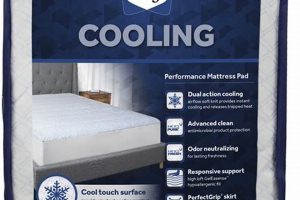
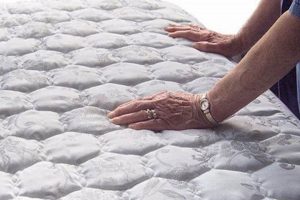
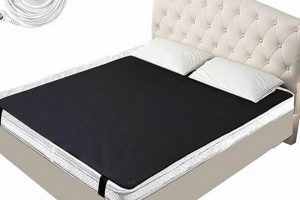
These bedding accessories offer distinct functions and levels of support. One provides a thin layer of cushioning and protection for the underlying mattress, similar to using a fitted sheet with added padding. In contrast, the other delivers a more substantial alteration to the sleep surface, often adding several inches of material designed to improve comfort or address specific pressure points.
Selecting between these options depends on individual needs and priorities. Factors to consider include budget, desired level of support, and mattress condition. Historically, simpler versions served primarily as hygiene barriers, while modern designs incorporate advanced materials and construction techniques to enhance sleep quality and extend mattress lifespan.
A closer examination of construction, intended use, and resulting impact on the sleep experience will illuminate the key distinctions between these two popular bedding choices.
Guidance on Selecting Bedding Accessories
Careful consideration of individual needs is crucial when choosing supplementary bedding. The following recommendations outline key factors to evaluate.
Tip 1: Assess Existing Mattress Condition: If the primary goal is to extend the life of a relatively new mattress, a thinner option may suffice. For older, less supportive mattresses, a thicker design is preferable.
Tip 2: Define Comfort Priorities: Individuals seeking minor improvements to surface softness can consider a lightly padded model. Those with specific pressure point concerns may require a more substantial, specialized design.
Tip 3: Evaluate Material Properties: Memory foam offers conforming support, while latex provides resilience and breathability. Fiberfill materials typically offer a softer, less expensive alternative.
Tip 4: Consider Budget Constraints: Basic models are generally more affordable, while higher-end designs with advanced features command a premium price.
Tip 5: Determine Maintenance Requirements: Ease of cleaning and durability should be factored into the decision, as these accessories require periodic care to maintain hygiene and performance.
Tip 6: Review Warranty Information: Understanding the manufacturer’s warranty can provide assurance regarding product quality and longevity.
Tip 7: Examine Thickness and Profile: Ensure compatibility with existing sheets and bedding. Excessively thick models may require larger, deeper-pocketed sheets.
Proper evaluation of these elements will assist in making an informed decision, ultimately enhancing sleep quality and optimizing the lifespan of the primary sleep surface.
The subsequent sections will delve deeper into the specific attributes of these bedding enhancements, providing a comparative analysis of their features and functionalities.
1. Thickness Variations

Thickness serves as a primary differentiator. The disparity in dimension directly influences the level of support, comfort, and overall impact on the sleeping surface.
- Mattress Pad Thickness
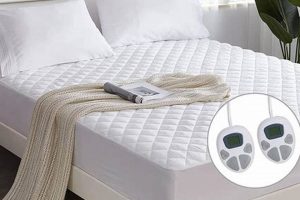
Typically ranging from less than one inch to approximately two inches, pads offer minimal loft. Their primary role is to provide a thin layer of cushioning and protection against spills and stains. Examples include quilted cotton pads or those with a thin layer of down alternative fill. The limited thickness translates to subtle changes in sleep surface feel.
- Mattress Topper Thickness
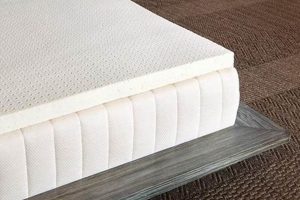
Toppers generally range from two inches to four inches or more in thickness. This increased depth provides a more significant alteration to the sleep surface. Materials like memory foam or latex are often employed, contributing to enhanced pressure relief and support. For instance, a 3-inch memory foam topper can substantially contour to the body, alleviating pressure on joints.
- Impact on Support
The degree of thickness directly correlates with the level of support offered. Thicker models provide enhanced cushioning and can help to redistribute weight, potentially alleviating pressure points. Thinner designs offer minimal support and are primarily focused on protection and hygiene. Individuals seeking substantial changes in support should opt for thicker constructions.
- Consequences for Bedding Fit
Variations in thickness necessitate adjustments to bedding choices. Toppers, due to their greater depth, often require deeper-pocketed fitted sheets to accommodate the added height. Neglecting this can result in ill-fitting sheets that are prone to slipping off. Standard sheets are generally sufficient for thinner pads.
In summary, thickness is a critical determinant of functionality and suitability. The choice between a pad and a topper hinges on the desired level of support, protection, and the willingness to adjust bedding accordingly. Consideration of thickness ensures optimal comfort and satisfaction.
2. Support Level

The degree of support provided is a fundamental factor differentiating these bedding accessories. Variations in construction and material composition directly influence the impact on spinal alignment and pressure point relief.
- Minimal Support and Protection
Mattress pads, designed with thinner profiles and lighter fill materials, offer limited support. Their primary function is to protect the underlying mattress from spills, stains, and general wear. For example, a quilted cotton pad provides a slight cushioning effect but does not significantly alter the firmness or contouring properties of the mattress. This minimal support level is suitable for individuals satisfied with their current mattress support but seeking basic protection.
- Enhanced Contouring and Pressure Relief
Mattress toppers, due to their increased thickness and density, deliver a more substantial level of support. Materials such as memory foam conform to the body’s shape, distributing weight and reducing pressure on key areas like the hips and shoulders. For instance, a memory foam topper can alleviate pressure points for side sleepers, promoting spinal alignment and reducing discomfort. This is beneficial for those seeking to improve mattress comfort or address specific support needs.
- Impact on Spinal Alignment
The effect on spinal alignment is a critical consideration. A supportive topper can correct minor deficiencies in a mattress, promoting a neutral spinal posture. Conversely, a thin pad offers minimal impact on alignment. Individuals with back pain or those seeking to improve their sleeping posture should prioritize options that demonstrably enhance spinal alignment, typically found in thicker, more supportive topper designs.
- Firmness Adjustment Capabilities
Toppers offer a means to modify the firmness of an existing mattress. A soft topper can soften a too-firm mattress, while a firmer topper can provide added support to a sagging or overly soft mattress. Pads lack this transformative ability due to their minimal contribution to the overall sleeping surface. This firmness adjustment capability is particularly relevant for individuals seeking to fine-tune their sleep experience.
These facets of support level highlight the contrasting roles and capabilities of each type of bedding accessory. While pads serve primarily as protective layers, toppers offer a means to actively enhance comfort, pressure relief, and spinal alignment. Selection hinges on individual support requirements and the desired level of impact on the sleep surface.
3. Primary Function

The intended purpose significantly dictates the distinction between bedding enhancements. One’s primary function centers on safeguarding the mattress from stains, spills, and wear, while the other’s aims to augment comfort, support, or address specific sleep-related issues. This difference in objective dictates design, material selection, and, ultimately, the impact on the sleep experience. For example, a mattress pad constructed from quilted cotton primarily serves as a protective barrier, offering minimal alteration to the underlying mattress’s feel. Conversely, a memory foam mattress topper, designed to contour to the body, directly alters the sleep surface’s firmness and pressure-relieving properties.
The practical significance of understanding this distinction lies in aligning product selection with individual needs. Choosing a mattress pad when enhanced support or comfort is desired will likely lead to dissatisfaction, as its protective function inherently limits its ability to significantly alter the sleep surface. Conversely, opting for a thick mattress topper solely for protection may be an unnecessary expenditure, as a simpler, more cost-effective pad would suffice. Furthermore, comprehending the primary function guides maintenance practices; pads, intended for hygiene, are typically easier to clean and replace than toppers, which often require specialized care to maintain their structural integrity and performance.
In summary, the primary function of a mattress pad or topper serves as a crucial determinant in differentiating between the two. This understanding allows for a more informed purchasing decision, ensuring that the selected bedding accessory effectively addresses specific needs related to mattress protection, comfort enhancement, or targeted sleep solutions. Failure to recognize this core divergence can result in misalignment between expectation and outcome, underscoring the importance of considering primary function as a foundational element in the selection process.
4. Cost Implications

The cost difference between a mattress pad and a topper constitutes a significant aspect of their distinction. This price variation directly reflects disparities in materials, construction complexity, and intended functionality. For instance, a basic polyester mattress pad designed for protection can cost substantially less than a memory foam topper engineered for pressure relief and enhanced support. This price disparity stems from the more expensive materials and manufacturing processes associated with producing toppers. The budgetary impact often dictates consumer choice, particularly when considering the relative benefits offered by each type of product.
Budgetary constraints can influence the decision-making process in several ways. Consumers seeking a cost-effective solution for basic mattress protection may find mattress pads an adequate and affordable option. However, individuals prioritizing enhanced comfort or addressing specific sleep issues may view the higher cost of a topper as a worthwhile investment. Furthermore, the longevity of each product type affects long-term cost considerations. While toppers may have a higher initial cost, their increased durability and ability to extend the lifespan of a mattress can potentially offset this expense over time. Conversely, frequently replacing cheaper mattress pads may ultimately prove more costly than investing in a higher-quality topper.
In conclusion, the cost difference between mattress pads and toppers is a crucial determinant in the selection process. Understanding the relationship between price, functionality, and longevity enables consumers to make informed decisions aligned with their individual needs and financial resources. By carefully evaluating the cost implications, consumers can effectively weigh the benefits of each product and choose the option that provides the best value for their investment, be it basic protection or enhanced sleep quality.
5. Material Composition

The materials used in manufacturing significantly contribute to the functional divergence between mattress pads and toppers. The selection of fabrics, fillings, and construction techniques dictates their distinct characteristics and resulting impact on sleep quality and mattress preservation.
- Surface Fabric Properties
Mattress pads often employ cotton or polyester blends for surface fabrics, prioritizing breathability and ease of care. These materials provide a soft sleeping surface while offering minimal resistance to liquid penetration. Toppers, conversely, may utilize more advanced fabrics like bamboo rayon or specialized weaves to enhance temperature regulation or provide a smoother, more luxurious feel. The fabric selection in toppers often focuses on complementing the properties of the underlying fill material.
- Fill Material Impact on Support
The fill material largely determines the level of support and comfort provided. Pads typically contain thin layers of polyester fiberfill, down alternatives, or quilted cotton. These materials offer minimal cushioning and are primarily intended for surface protection. Toppers utilize denser and more supportive materials like memory foam, latex, or high-density polyurethane foam. These materials conform to the body, providing pressure relief and promoting spinal alignment. The choice of fill material directly influences the longevity and performance of the bedding accessory.
- Construction Techniques and Durability
Mattress pads often feature simple quilting patterns or fitted sheet-style construction to secure the fill material and ensure a snug fit. These construction methods prioritize affordability and ease of manufacturing. Toppers employ more complex construction techniques, such as zoned support systems or convoluted foam designs, to enhance comfort and distribute weight evenly. These advanced construction methods contribute to the higher cost and durability of toppers.
- Fire Retardant Considerations
Both mattress pads and toppers must adhere to fire safety regulations. However, the methods used to achieve fire retardancy can differ. Pads may utilize inherently fire-resistant fabrics or apply topical treatments. Toppers often incorporate fire-resistant barriers made of materials like silica or modacrylic fiber
s. The fire retardant method can impact the breathability and overall comfort of the sleep surface.
The variance in material composition ultimately defines the functional roles of mattress pads and toppers. Pads serve as a basic protective layer, prioritizing affordability and ease of maintenance, while toppers offer a more sophisticated solution for enhancing comfort and support, often utilizing advanced materials and construction techniques.
6. Maintenance Needs

The maintenance requirements for mattress pads and toppers represent a key differentiating factor, stemming from their construction, materials, and intended use. Variations in cleaning protocols, frequency of care, and susceptibility to wear significantly influence their longevity and suitability for diverse lifestyles.
- Washability and Cleaning Protocols
Mattress pads, typically constructed from simpler materials, often allow for machine washing and drying, facilitating convenient cleaning to remove spills and allergens. Toppers, particularly those with memory foam or specialized fills, often require spot cleaning or professional laundering due to their bulk and sensitivity to harsh detergents. The cleaning protocols directly impact the ease with which one can maintain hygiene and prolong the accessory’s lifespan. For example, a family with young children prone to accidents may find the machine-washable nature of a pad more appealing than the specialized care demanded by a topper.
- Frequency of Cleaning Required
Given their primary role as protective barriers, mattress pads tend to require more frequent cleaning than toppers. Their proximity to spills and bodily fluids necessitates regular washing to maintain hygiene and prevent odors. Toppers, while also susceptible to contamination, may require less frequent cleaning due to their positioning beneath the sheets and their focus on comfort rather than direct protection. The frequency of cleaning correlates directly with the time investment required for upkeep, influencing the overall user experience.
- Susceptibility to Wear and Tear
The materials and construction of mattress pads and toppers dictate their resilience to wear and tear. Thinner pads with simpler quilting may exhibit signs of wear more quickly than thicker, denser toppers. Memory foam toppers, while providing superior comfort, can be susceptible to compression and indentation over time, requiring periodic rotation or flipping to maintain their shape. Understanding the accessory’s vulnerability to wear allows for proactive maintenance practices, maximizing its lifespan and preserving its performance.
- Stain Resistance and Odor Control
Some mattress pads feature stain-resistant treatments or antimicrobial properties designed to inhibit bacterial growth and minimize odors. Toppers, due to their composition, may inherently offer some degree of odor resistance, particularly those constructed from latex or open-cell memory foam. The presence or absence of these features impacts the ease with which one can maintain a clean and hygienic sleep environment. Individuals prone to night sweats or allergies may find these features particularly beneficial.
In summary, the maintenance needs of mattress pads and toppers reflect their distinct roles and construction. The ease of cleaning, frequency of required care, susceptibility to wear, and inherent resistance to stains and odors collectively influence the long-term value and user satisfaction associated with each type of bedding accessory. Proper attention to maintenance protocols ensures optimal performance, hygiene, and longevity, reinforcing the importance of considering these factors during the selection process.
7. Longevity Expectation

The anticipated lifespan constitutes a crucial, yet often overlooked, distinction between mattress pads and toppers. The expected duration of effective use influences overall value and long-term cost considerations. Variance in materials, construction methods, and intended function contributes to marked differences in durability.
- Material Degradation Rates
Fill materials degrade at varying rates, impacting the usable lifespan. Mattress pads, often composed of fiberfill or thin layers of down alternative, tend to flatten and lose their cushioning properties relatively quickly, typically within one to three years. In contrast, toppers employing denser materials like memory foam or latex exhibit greater resilience and resistance to compression, potentially maintaining their supportive qualities for five to seven years or more. The rate of material degradation directly influences the functional longevity.
- Construction Integrity and Wear Resistance
Construction techniques also impact durability. Mattress pads with simple quilting patterns may exhibit premature wear and tear along seams and edges. Toppers, employing more robust construction methods such as reinforced stitching or zoned support systems, demonstrate greater resistance to physical stress and maintain their structural integrity for a longer period. For example, a topper with a removable, washable cover experiences less direct wear on the core materials, thereby extending its lifespan.
- Impact of Usage Patterns
Usage patterns influence the expected lifespan. Mattress pads, serving primarily as protective barriers, may require more frequent replacement due to exposure to spills and stains. Toppers, while less directly exposed to these elements, can experience accelerated degradation under conditions of high weight or frequent movement. A topper used on a guest bed, for instance, will likely outlast an identical topper used nightly by a heavier individual.
- Warranty Coverage and Manufacturer Claims
Warranty coverage provides an indication of manufacturer confidence in product durability. Mattress pads typically offer limited warranties, often covering only manufacturing defects. Toppers, particularly those employing higher-quality materials, may come with more extensive warranties, reflecting a greater expectation of long-term performance. Scrutinizing warranty terms can provide insight into anticipated longevity and potential repair or replacement options.
These factors collectively determine the lifespan expectation of bedding accessories. The differing longevity of mattress pads and toppers should inform purchasing decisions, aligning product selection with long-term value considerations and individual needs. A longer lifespan expectation may justify the higher initial cost of a topper, while a shorter-term protective solution may be more appropriately served by a mattress pad.
Frequently Asked Questions
The following addresses common inquiries and clarifies misconceptions regarding distinctions in bedding accessories.
Question 1: Is a thick mattress pad equivalent to a mattress topper?
No, thickness alone does not equate to functional equivalency. While some mattress pads may exhibit a relatively substantial profile, they typically lack the density and supportive materials found in dedicated toppers. The primary function remains protection rather than significant comfort enhancement.
Question 2: Does a mattress pad correct a sagging mattress?
Generally, no. Mattress pads offer minimal structural support and will not effectively remedy significant sagging or loss of support in an existing mattress. A topper, with its denser materials and greater thickness, is better suited for addressing such issues.
Question 3: Are all mattress toppers made of memory foam?
No. While memory foam constitutes a popular material for toppers, alternatives such as latex, down, down alternative, and various fiber blends are also available. Material selection influences firmness, temperature regulation, and overall feel.
Question 4: Can a mattress pad protect against bed bugs?
Some mattress pads offer a degree of protection against bed bugs, particularly those featuring tightly woven fabrics and zippered encasements. However, a dedicated mattress encasement specifically designed to be bed bug-proof provides superior protection. Standard pads primarily guard against stains and minor wear.
Question 5: Is it necessary to clean a mattress topper as frequently as a mattress pad?
Typically, no. Given their position beneath the fitted sheet, toppers are less directly exposed to spills and bodily fluids. However, periodic cleaning or airing is still recommended to maintain hygiene and prevent the accumulation of dust mites and allergens.
Question 6: Does a higher price always indicate a superior product?
Not necessarily. While higher-priced mattress pads and toppers often incorporate higher-quality materials and more advanced construction techniques, price alone does not guarantee superior performance or suitability. Individual needs and preferences should guide the selection process, regardless of cost.
These FAQs provide a concise overview of common considerations. Understanding these points facilitates a more informed purchasing decision.
The next section offers concluding remarks and reinforces the importance of aligning product selection with individual needs.
Conclusion
The foregoing analysis delineates critical distinctions between mattress pads and toppers, underscoring variations in thickness, support, primary function, cost, material composition, maintenance needs, and longevity. Selection hinges on a clear understanding of these attributes and a corresponding alignment with individual requirements. Prioritizing protection dictates one course; emphasizing comfort, support, or mattress enhancement leads to another.
Informed decision-making is paramount. The objective evaluation of needs, combined with a thorough understanding of product characteristics, ensures optimal sleep quality and long-term satisfaction. Further research into specific product models and brands is encouraged to refine selection and maximize value.