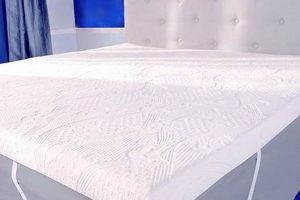
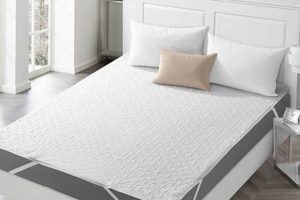
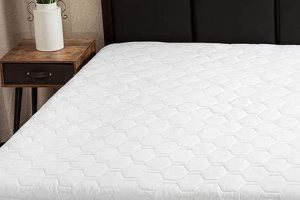
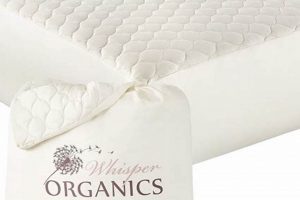
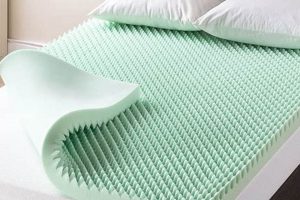
An electric underblanket, designed to be placed on the bed beneath the fitted sheet, provides consistent warmth across the sleeping surface. These devices typically employ low-voltage electrical resistance wires woven into the fabric to generate heat. Temperature settings are usually adjustable, allowing users to personalize the level of comfort. A common application involves pre-heating the bed before sleep, ensuring a warm and inviting environment upon retiring for the night.
The significance of such a warming device lies in its potential to enhance sleep quality, especially in colder climates or for individuals sensitive to low temperatures. Benefits include improved circulation, relief from muscle stiffness, and a reduction in energy consumption compared to heating an entire room. Historically, methods of warming beds ranged from hot water bottles to warming pans filled with embers; modern electrically heated versions represent a significant advancement in safety and convenience.
This article will further examine the various features available, including safety mechanisms, energy efficiency ratings, and different control options. Furthermore, consideration will be given to proper maintenance procedures and potential health considerations related to prolonged use. A comparative analysis of available models will also be presented, assisting consumers in making informed purchasing decisions.
Tips for Optimal Use
Effective utilization requires careful consideration of several factors to ensure both comfort and safety. The following guidelines are provided to maximize the benefits while minimizing potential risks.
Tip 1: Prioritize Safety Certifications: Ensure the chosen model carries certifications from recognized safety organizations, such as UL or ETL. These certifications indicate adherence to established safety standards and rigorous testing protocols.
Tip 2: Adhere to Manufacturer Instructions: Always consult and strictly follow the manufacturer’s guidelines regarding operation, maintenance, and cleaning. Improper use can void warranties and create hazardous conditions.
Tip 3: Employ Temperature Controls Judiciously: Begin with the lowest temperature setting and gradually increase as needed. Prolonged use at high temperatures can lead to overheating and potential skin irritation.
Tip 4: Inspect Regularly for Damage: Routinely examine the device and its power cord for signs of wear and tear, such as frayed wires, exposed heating elements, or damaged connectors. Discontinue use immediately if any damage is detected.
Tip 5: Avoid Folding or Bunching: Ensure the device is laid flat and evenly distributed across the mattress. Folding or bunching can create concentrated heat zones, increasing the risk of overheating or fire.
Tip 6: Disconnect During Periods of Non-Use: Unplug the device from the electrical outlet when not in use, especially during extended absences or overnight when temperatures are mild.
Tip 7: Consider Compatibility with Bedding: Ensure the materials used in bedding, such as sheets and mattress protectors, are compatible with the device and will not impede heat dissipation.
By adhering to these recommendations, users can optimize the functionality and safety of the warming device, contributing to a comfortable and secure sleep environment.
The subsequent sections will delve into comparative product analyses and potential health considerations, providing a comprehensive understanding of the benefits and risks associated with these devices.
1. Temperature Control
Temperature control is a foundational aspect that governs the operational effectiveness of electrically heated bedding underlays. Its precision and reliability directly influence user comfort, safety, and energy consumption. The ability to accurately modulate heat output is therefore paramount.
- Thermostat Accuracy
Thermostat accuracy denotes the degree to which the actual temperature of the device aligns with the temperature selected by the user. Inaccuracies can result in discomfort, overheating, or insufficient warmth. High-quality models incorporate precision thermostats to maintain consistent temperatures, typically within a narrow margin of error, such as +/- 2 degrees Fahrenheit. Discrepancies beyond this range indicate a potential malfunction or a lower-quality component.
- Zoning Capabilities
Zoning capabilities refer to the capacity to independently control the temperature in different sections of the warming device. This feature is particularly beneficial for couples with differing temperature preferences or for individuals who prefer varied levels of warmth in different areas of the bed. For example, some models offer independent controls for the left and right sides, allowing each user to customize their respective zone.
- Overheat Protection
Overheat protection is a crucial safety feature that automatically shuts off the device if it exceeds a pre-determined temperature threshold. This mechanism mitigates the risk of fire, burns, and equipment damage. Most reputable models incorporate multiple levels of overheat protection, including temperature sensors and thermal fuses, to provide redundant safeguards.
- Programmable Settings
Programmable settings enhance convenience and energy efficiency by enabling users to schedule pre-heating cycles or to automatically adjust the temperature at specific times. For instance, a user might program the device to begin heating the bed 30 minutes before bedtime and then automatically reduce the temperature to a lower setting during sleep. This functionality allows for personalized comfort and minimizes unnecessary energy consumption.
The interplay of thermostat accuracy, zoning capabilities, overheat protection, and programmable settings collectively determines the quality and safety of temperature regulation. Selection of a device should prioritize these facets to ensure optimal comfort, energy efficiency, and protection against potential hazards associated with electrically heated bedding products.
2. Safety Features

The operational integrity of any electrically powered warming underlay is intrinsically linked to its integrated safety features. These features are not merely add-ons; rather, they are essential components designed to mitigate inherent risks associated with electricity and prolonged heat exposure. Failure to incorporate robust safety mechanisms elevates the potential for fire hazards, electrical shocks, and thermal burns.
Overheat protection, a primary safety consideration, typically involves a thermal cutoff or fuse that interrupts the electrical circuit when a predetermined temperature threshold is exceeded. This prevents the warming underlay from reaching dangerously high
temperatures that could ignite bedding materials or cause skin damage. For example, the occurrence of a short circuit within the heating element could lead to a rapid temperature surge; without overheat protection, a fire is a plausible outcome. Another crucial aspect is the insulation of heating wires. Deterioration of this insulation, often due to flexing or age, can expose the live electrical element, creating a shock hazard. Manufacturers address this by employing durable, heat-resistant insulation materials and rigorous testing protocols to ensure long-term integrity.
Automatic shut-off timers provide an additional layer of safety and energy conservation. By automatically deactivating the warming underlay after a set period, the risk of overheating during sleep is reduced, and unnecessary energy consumption is avoided. Selection of a product necessitates careful examination of these safety features and certification marks from recognized testing laboratories, which attest to compliance with established safety standards. The absence of adequate safety provisions significantly compromises the utility and introduces unacceptable risks associated with the use of electrically heated bedding devices.
3. Material Quality

The selection of materials directly dictates the safety, durability, and performance of a bed heated mattress pad. The textiles employed must exhibit heat resistance, flame retardancy, and the ability to withstand repeated flexing without degradation. Inferior materials may melt, ignite, or develop weakened areas that compromise the integrity of the internal heating elements. For example, a mattress pad constructed with low-grade polyester is more susceptible to melting under prolonged heat exposure compared to one made with inherently flame-resistant materials like treated cotton or specialized synthetic blends.
Furthermore, the quality of the heating elements themselves is paramount. Copper or carbon fiber wires are commonly used due to their efficient heat conductivity and flexibility. However, the gauge and insulation of these wires are critical. Thin, poorly insulated wires are prone to overheating and short circuits, posing a significant fire hazard. Conversely, robust, well-insulated wires ensure even heat distribution and minimize the risk of electrical failure. Consider the case of a recalled mattress pad where substandard wire insulation led to multiple reports of sparking and localized burns, underscoring the potentially severe consequences of compromised material quality.
In summation, material selection is not merely an aesthetic consideration but a fundamental determinant of safety and longevity. Prioritizing products constructed with high-quality, heat-resistant materials is essential for ensuring both user safety and the reliable operation of the heated mattress pad. Compromising on material quality introduces unnecessary risks and diminishes the overall value and lifespan of the device.
4. Energy Efficiency

Energy efficiency, in the context of a heated mattress pad, directly relates to the amount of electrical energy consumed to achieve and maintain a desired level of warmth. The pursuit of improved energy efficiency in these devices benefits consumers through reduced electricity bills and contributes to broader environmental sustainability goals.
- Wattage Rating and Consumption
The wattage rating of a heated mattress pad indicates its power draw. Lower wattage equates to lower energy consumption and reduced operating costs. For example, a pad rated at 60 watts will consume less electricity per hour than one rated at 120 watts, given equivalent usage. Actual energy consumption depends on the duration of use and the temperature setting selected. Lower settings require less power to maintain, thereby increasing efficiency.
- Heating Element Design
The design and distribution of the heating elements within the pad influence energy efficiency. Pads with evenly spaced, strategically positioned elements provide more consistent warmth with less power. Conversely, unevenly distributed elements may require higher power levels to compensate for cold spots, leading to reduced efficiency. Some models incorporate advanced element designs that optimize heat transfer and minimize energy waste.
- Insulation and Heat Retention
The insulation properties of the mattress pad material play a crucial role in energy efficiency. Effective insulation minimizes heat loss, allowing the pad to maintain its temperature with less energy input. Materials such as thick fleece or quilted fabrics provide superior insulation compared to thinner, less dense materials. Enhanced insulation translates to lower energy consumption for a given level of warmth.
- Programmable Timers and Automatic Shut-Off
Programmable timers and automatic shut-off features contribute significantly to energy savings. Timers allow users to pre-heat the bed for a specified duration, avoiding continuous operation. Automatic shut-off ensures that the pad is not left running unnecessarily, preventing wasted energy and potential safety hazards. Some models offer advanced programming options, enabling users to customize heating schedules to optimize energy use.
These facets underscore the importance of considering energy efficiency when selecting a warming underlay. Models with lower wattage ratings, efficient heating element designs, effective insulation, and programmable features offer the potential for significant energy savings over their lifespan. Consumers who prioritize energy efficiency can minimize their environmental footprint and reduce their operating expenses.
5. Size Compatibility

The dimension of size compatibility is a fundamental prerequisite for the effective and safe utilization of a bed heated mattress pad. Discrepancies between the dimensions of the warming device and the mattress it is intended to cover can result in compromised heating performance, increased risk of product damage, and potential safety hazards. An undersized warming pad may fail to provide adequate warmth across the entire sleeping surface, leading to uneven temperature distribution and user dissatisfaction. Conversely, an oversized pad may bunch up or extend beyond the mattress edges, creating uncomfortable pressure points and increasing the likelihood of overheating in localized areas. For example, attempting to use a queen-sized warming pad on a twin-sized mattress inevitably results in significant overlap and potential folding of the heating elements, leading to premature wear and tear and potentially creating a fire hazard.
The importance of selecting the correct size is further underscored by the design characteristics of these devices. Heating elements are typically distributed uniformly across the surface of the pad, with specific zones designated for head and foot areas to optimize warmth distribution. Deviations from the intended mattress size disrupt this carefully calibrated arrangement, potentially concentrating heat in unintended areas or leaving other areas unheated. Moreover, many warming pads incorporate elastic straps or fitted skirts to secure them to the mattress. Incorrect sizing renders th
ese securing mechanisms ineffective, increasing the likelihood of the pad shifting during sleep and disrupting the intended heating pattern. A real-world example involves a case where a user employed a king-sized pad on a queen-sized bed, resulting in the elastic straps becoming overstretched and eventually snapping, leading to the pad becoming dislodged during sleep and presenting a tripping hazard.
In summary, ensuring appropriate size compatibility is not merely a matter of convenience but a critical factor influencing the safety, performance, and longevity of a bed heated mattress pad. Adhering to the manufacturer’s sizing guidelines is essential to prevent compromised heating performance, product damage, and potential safety hazards. Prioritizing correct sizing ensures that the warming pad functions as intended, providing consistent and comfortable warmth while mitigating the risks associated with improper installation and use.
6. Maintenance Needs

The operational lifespan and safety of a bed heated mattress pad are intrinsically linked to adherence to recommended maintenance procedures. Neglecting these procedures can lead to diminished performance, increased risk of malfunction, and potentially hazardous conditions. The accumulation of dust, body oils, and other debris on the surface of the pad can impede heat dissipation, causing the heating elements to work harder and potentially overheat. This, in turn, can reduce the pad’s efficiency and lifespan. For instance, a user who routinely spills liquids on the pad and fails to clean them promptly may experience corrosion of the heating wires, leading to uneven heating or complete failure of the device. The direct cause-and-effect relationship between inadequate maintenance and product degradation underscores the importance of prioritizing these needs.
Proper cleaning techniques are also crucial. The majority of bed heated mattress pads are not machine washable and require spot cleaning with a damp cloth and mild detergent. Submerging the pad in water can damage the electrical components and create a significant shock hazard. Similarly, harsh chemicals or abrasive cleaners can degrade the fabric and compromise the integrity of the heating elements. Real-life examples include instances where users disregarded manufacturer instructions and attempted to machine wash their pads, resulting in irreparable damage and rendering the devices unsafe for future use. The practical significance of understanding these limitations is evident in the avoidance of such costly and potentially dangerous errors.
In summation, the performance, safety, and longevity of a bed heated mattress pad depend significantly on consistent and correct maintenance practices. Regular cleaning, adherence to manufacturer instructions regarding washing and drying, and careful storage when not in use are essential. Failure to address these maintenance needs can result in reduced heating efficiency, increased risk of malfunction, and potential safety hazards. By prioritizing proper maintenance, users can ensure the reliable and safe operation of their warming pads for an extended period.
Frequently Asked Questions
The following section addresses common inquiries and misconceptions regarding electric underblankets, providing detailed information to ensure safe and effective use. Understanding these aspects is crucial for maximizing benefits and mitigating potential risks.
Question 1: Is it safe to sleep with an electric underblanket switched on throughout the night?
Prolonged use at high temperature settings is not recommended. Many modern devices incorporate automatic shut-off timers and low-EMF technology to mitigate potential risks. However, consulting the manufacturer’s instructions and using lower heat settings are advised to minimize any potential health concerns.
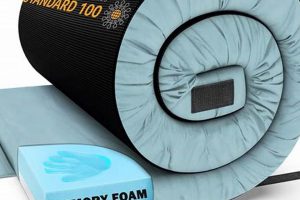
Question 2: Can an electric underblanket be used with a memory foam mattress?
Compatibility with memory foam mattresses depends on the specific model. Certain devices generate excessive heat, potentially damaging the foam’s structure. Always refer to the mattress manufacturer’s recommendations and the underblanket’s specifications before use. Models designed specifically for memory foam mattresses are available.
Question 3: How should an electric underblanket be cleaned?
Most electric underblankets are not machine washable. Spot cleaning with a damp cloth and mild detergent is the recommended method. Always disconnect the device from the power source before cleaning and ensure it is completely dry before use.
Question 4: What safety certifications should be considered when purchasing an electric underblanket?
Look for certifications from recognized testing laboratories such as UL, ETL, or CE. These certifications indicate that the device has been tested and meets established safety standards regarding electrical safety and fire resistance.
Question 5: How often should an electric underblanket be replaced?
The lifespan of an electric underblanket varies depending on usage and maintenance. It is recommended to replace the device every 5-10 years or sooner if any signs of wear and tear, such as frayed wires or uneven heating, are observed.
Question 6: Can an electric underblanket be used by individuals with medical conditions such as diabetes or neuropathy?
Individuals with medical conditions affecting sensation or circulation should consult a healthcare professional before using an electric underblanket. Reduced sensation may impair the ability to detect excessive heat, increasing the risk of burns or other complications.
In summary, safe and effective use depends on adhering to manufacturer guidelines, regularly inspecting the device, and being mindful of potential health considerations. Prioritizing safety certifications and replacing the device as needed are crucial for minimizing risks.
The subsequent section will explore the environmental implications and disposal methods associated with these devices.
Conclusion
This exploration of the bed heated mattress pad has elucidated its multifaceted nature, encompassing essential dimensions from temperature control and safety mechanisms to material quality, energy efficiency, size compatibility, and maintenance needs. Each of these dimensions plays a critical role in determining the device’s overall performance, longevity, and safety profile. A comprehensive understanding of these aspects is crucial for informed decision-making.
As technology advances, consumers are encouraged to remain vigilant, prioritizing safety certifications and carefully evaluating product specifications before purchase. Responsible usage and adherence to manufacturer guidelines are paramount for maximizing the benefits of this technology while mitigating potential risks. The future outlook suggests ongoing innovations aimed at enhancing energy efficiency and integrating advanced safety features, further solidifying the significance of bed heated mattress pads as a means of achieving thermal comfort and improved sleep quality.