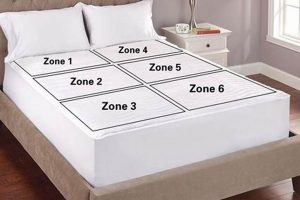
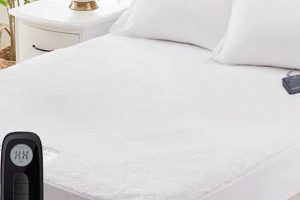
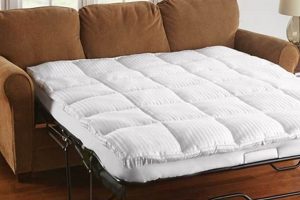
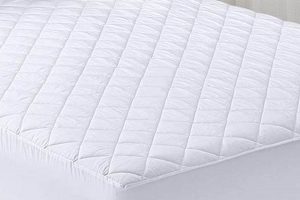
A specialized bedding accessory designed to connect the human body to the Earth’s electrical charge, a grounding mattress pad typically integrates conductive materials like silver fibers into its fabric. These conductive elements facilitate the transfer of electrons between the individual and the Earth when the pad is used atop a mattress during sleep. For example, a grounding mattress pad might be placed beneath a fitted sheet to allow for direct skin contact, ensuring effective grounding.
The utilization of such a pad is predicated on the concept of “earthing,” which suggests that direct physical contact with the Earth’s surface offers various physiological benefits. Proponents suggest these benefits include reduced inflammation, improved sleep quality, and decreased levels of stress. Historically, humans maintained constant direct contact with the earth. Modern lifestyles, with insulated shoes and elevated dwellings, have largely eliminated this connection, leading some to seek grounding methods as a way to restore this natural interaction.
The subsequent sections will delve into the characteristics to consider when selecting a grounding mattress pad, examine the available scientific evidence supporting its purported effects, and provide guidance on the proper use and maintenance of this type of product.
Grounding Mattress Pad
The following recommendations serve to enhance the potential benefits derived from a grounding mattress pad and ensure its longevity and proper functionality.
Tip 1: Prioritize Direct Skin Contact: For optimal conductivity, ensure minimal barriers between the skin and the pad’s surface. Thin, breathable fabrics like cotton are recommended as top sheets. Thick materials may impede the transfer of electrons.
Tip 2: Verify Grounding Connection: Utilize a multimeter to confirm the pad is effectively grounded. Connect one probe to the grounding wire of an electrical outlet and the other to the pad’s surface. A reading close to zero volts indicates proper grounding.
Tip 3: Maintain Pad Hygiene: Regular cleaning is crucial. Adhere strictly to the manufacturer’s washing instructions, as harsh detergents or high heat can damage the conductive fibers within the pad. Air drying is often preferable to machine drying.
Tip 4: Avoid Lotions and Oils: These substances can create a barrier between the skin and the conductive material, diminishing grounding effectiveness. Apply lotions and oils well in advance of bedtime to allow for complete absorption.
Tip 5: Consistent Use is Key: The potential benefits of a grounding mattress pad are often realized through consistent, nightly use. Integrating it into a regular sleep routine maximizes exposure and potential positive effects.
Tip 6: Consider the Electrical Environment: Minimize exposure to electromagnetic fields (EMFs) in the sleeping area. Move electronic devices away from the bed and consider turning off wireless routers at night.
Tip 7: Monitor Personal Response: Track subjective experiences such as sleep quality, energy levels, and pain reduction. This self-assessment provides insight into the pad’s effectiveness for the individual.
These strategies aim to optimize the experience with a grounding mattress pad, potentially enhancing its efficacy and contributing to overall well-being.
The subsequent section will address common misconceptions and frequently asked questions concerning grounding mattress pads.
1. Conductive Material Quality
The conductive material embedded within a grounding mattress pad is paramount to its intended function. The pad’s capacity to effectively transfer electrons between the user and the Earth is directly proportional to the quality and composition of the conductive material used.
- Material Conductivity
Materials such as silver, carbon fiber, and stainless steel are commonly employed for their conductive properties. Silver, possessing a high electrical conductivity, is frequently integrated into higher-quality grounding pads. The concentration and purity of the conductive element influence the pad’s efficiency in facilitating electron flow. A low-grade or impure material will diminish the grounding effect.
- Material Distribution
The uniformity of the conductive material’s distribution throughout the pad’s surface is another determinant of its effectiveness. A pad with unevenly distributed conductive elements may result in inconsistent grounding across different areas of the body. Ideally, the conductive material should be woven or integrated in a manner that provides consistent coverage. For instance, a grid-like pattern of silver threads woven into the fabric ensures even distribution.
- Material Durability
The longevity of a grounding mattress pad is tied to the durability of its conductive material. Repeated washing and normal wear can degrade conductive fibers. High-quality materials, properly integrated, will maintain their conductivity over time. For example, silver-infused threads that are tightly woven into the pad are less likely to break or lose conductivity compared to loosely applied conductive coatings.
- Material Safety
The safety of the conductive material is also a critical aspect. Materials should be non-toxic and hypoallergenic to minimize the risk of adverse reactions. Reputable manufacturers typically provide certifications attesting to the safety and purity of the materials used. For instance, a grounding pad utilizing certified organic cotton infused with pure silver threads ensures both effective conductivity and user safety.
In conclusion, the conductive material quality serves as a cornerstone of a grounding mattress pad’s performance and longevity. Selection should be guided by factors such as the material’s inherent conductivity, its distribution within the pad, its durability under normal use, and its overall safety profile. Prioritizing these aspects ensures that the grounding mattress pad effectively provides its intended grounding benefits.
2. Grounding Cord Integrity

The functional efficacy of a grounding mattress pad is intrinsically linked to the integrity of its grounding cord. The cord serves as the conduit through which electrons flow from the Earth to the pad, facilitating the purported health benefits associated with grounding. Compromised cord integrity negates the pad’s purpose, rendering it ineffective.
- Material Composition and Conductivity
The grounding cord’s internal wiring must consist of a highly conductive material, typically copper, to minimize resistance to electron flow. The quality of the copper, its purity, and the gauge of the wire directly influence conductivity. An inferior
cord with substandard materials will impede electron transfer, reducing the pad’s grounding effectiveness. For example, a cord using thin, low-grade copper wire will offer higher resistance than a thicker cord composed of high-purity copper. - Insulation Quality and Safety
The insulation surrounding the conductive wires must be robust and free from defects. Compromised insulation poses a safety hazard, increasing the risk of electrical shock. Furthermore, damaged insulation can expose the conductive wires to environmental factors, leading to corrosion and reduced conductivity. A high-quality grounding cord will utilize durable, flame-retardant insulation materials that meet established safety standards.
- Connector Reliability
The connectors at both ends of the grounding cord, which attach to the mattress pad and the electrical outlet, must provide a secure and reliable connection. Loose or corroded connectors increase resistance and disrupt the flow of electrons. High-quality connectors are constructed from corrosion-resistant materials and designed to maintain a firm connection, ensuring consistent grounding. Regular inspection and maintenance of the connectors are essential.
- Strain Relief and Durability
The points where the cord connects to the pad and the connector should incorporate strain relief mechanisms. These mechanisms prevent the wires from being pulled or stressed, which can lead to breakage and reduced conductivity. A durable cord design includes robust strain relief features that protect the internal wiring from mechanical damage caused by movement or tension.
Therefore, the integrity of the grounding cord is a non-negotiable factor in the selection of an effective grounding mattress pad. A compromised cord renders even the most sophisticated pad technologically inert. Careful assessment of the cord’s material composition, insulation, connector reliability, and strain relief features is crucial to ensure optimal performance and safety.
3. Fabric composition

The fabric composition of a grounding mattress pad exerts a significant influence on its overall effectiveness and user experience. As the primary interface between the user and the conductive elements, the fabric dictates comfort, breathability, and the degree of direct skin contact, all of which affect electron transfer. A poorly chosen fabric can negate the benefits of high-quality conductive materials. For example, a pad constructed with thick, synthetic material may insulate the user, preventing effective grounding despite the presence of silver fibers. Conversely, a pad utilizing a thin, breathable natural fiber like organic cotton facilitates direct skin contact, optimizing the potential for electron exchange. This direct relationship establishes fabric composition as a critical determinant of a grounding mattress pad’s functionality.
Beyond direct contact, the fabric’s properties influence hygiene and maintenance. Natural fibers like cotton and bamboo are generally more breathable and absorbent than synthetics, reducing moisture buildup and minimizing the potential for bacterial growth. Furthermore, the durability and washability of the fabric directly impact the pad’s lifespan. A delicate fabric may require specialized cleaning, while a more robust material can withstand regular machine washing. Consider a scenario where two pads contain identical conductive materials, but one is constructed from durable, washable cotton, and the other from a fragile synthetic blend. The cotton pad, due to its ease of maintenance and longevity, would likely provide a more consistent and beneficial grounding experience over time. The choice of fabric composition, therefore, extends beyond mere comfort to encompass practicality and sustained performance.
In summary, fabric composition is integral to the effectiveness of a grounding mattress pad. It affects electron transfer through direct skin contact, influences hygiene through breathability and moisture control, and determines the pad’s lifespan through durability and washability. The optimal fabric choice balances comfort, functionality, and ease of maintenance, ultimately contributing to a more effective and long-lasting grounding experience. Challenges remain in standardizing fabric specifications for grounding pads, emphasizing the need for consumers to carefully evaluate material properties before purchase.
4. Washability
Washability represents a critical attribute of any grounding mattress pad aspiring to be categorized as “best.” The inherent function of a mattress pad involves direct and prolonged contact with the human body, invariably leading to the accumulation of sweat, skin cells, and other contaminants. Without regular cleaning, these accumulated substances can degrade the conductive properties of the pad, diminish its hygienic qualities, and potentially compromise its lifespan. For instance, the accumulation of body oils can create an insulating layer on the conductive fibers, impeding the transfer of electrons and diminishing the grounding effect. This necessitates a design that facilitates effective and safe cleaning.
The washability of a grounding mattress pad is contingent upon several factors, including the composition of the fabric and the method of integrating conductive materials. Delicate fabrics may necessitate hand washing or gentle machine cycles, while more robust materials can withstand regular machine washing without significant degradation. Furthermore, the presence of conductive elements like silver or carbon fibers often requires specific washing instructions to prevent damage or loss of conductivity. A pad that cannot be easily and effectively cleaned becomes a liability, potentially harboring bacteria and allergens and failing to deliver the purported benefits of grounding. As a result, the ease and effectiveness of cleaning directly impact the long-term performance and usability of a grounding mattress pad. The ability to maintain a clean and hygienic sleeping surface is a determining factor for inclusion in the “best grounding mattress pad” category.
In conclusion, washability is not merely a convenience but a functional imperative for a grounding mattress pad to be considered superior. It directly affects hygiene, conductivity, and longevity. The absence of easy and effective cleaning protocols undermines the intended benefits and long-term value of the product. Therefore, a product assessment must prioritize understanding the washing guidelines, fabric durability, and the potential for conductive material degradation during cleaning. Prioritizing this aspect ensures a more hygienic, effective, and enduring grounding experience.
5. Pad size
Pad size, within the context of a “best grounding mattress pad,” is not merely a dimensional specification but a crucial determinant of effectiveness and user experience. Correct dimensions ensure optimal contact with the body, maximizing the potential benefits associated with grounding.
- Coverage Area and Grounding Efficiency
The dimensions of the pad directly influence the surface area in contact with the user’s body. An undersized pad may only ground a limited portion of the body, potentially reducing the
overall impact. Conversely, an accurately sized pad, tailored to the dimensions of the mattress, allows for more complete grounding coverage, optimizing the potential for electron transfer and associated physiological effects. For example, a twin-sized pad placed on a queen mattress would offer significantly less grounding surface than a properly sized queen pad. - Compatibility with Mattress Dimensions
Pad size must correspond precisely to the dimensions of the mattress to ensure proper fit and functionality. An ill-fitting pad, whether too large or too small, can shift during sleep, creating uneven contact and diminishing grounding effectiveness. Furthermore, an improperly sized pad may cause discomfort or disrupt sleep quality. A correctly sized pad, in contrast, will remain securely in place, maintaining consistent contact and maximizing grounding potential. For instance, a king-sized pad on a queen mattress will bunch up and likely not provide even grounding.
- Accommodation of Sleeping Position
Sleeping position influences the optimal pad size. Individuals who sleep primarily on their back require full-body coverage for consistent grounding, whereas side sleepers may benefit from a pad that targets key pressure points. The pad size should, therefore, accommodate the user’s typical sleeping posture to ensure consistent and effective grounding throughout the night. For example, a full-sized pad might be adequate for a side sleeper on a queen bed, but a back sleeper would benefit from a queen-sized pad.
- Standard Mattress Size Variations
Mattress sizes, while standardized, can exhibit slight variations between manufacturers. Before purchasing a grounding mattress pad, it is prudent to measure the mattress to ensure accurate sizing. Selecting a pad size based solely on the mattress label may result in a suboptimal fit. Precise measurements ensure that the grounding pad aligns correctly with the mattress dimensions, maximizing contact and promoting consistent grounding. For example, a “queen” mattress from one manufacturer might differ slightly in dimensions from another, impacting the fit of a queen-sized grounding pad.
The relationship between pad size and “best grounding mattress pad” is therefore inextricable. Optimal size is not a secondary consideration but an integral factor that directly influences grounding effectiveness, user comfort, and overall value. A meticulous approach to sizing, considering mattress dimensions, sleeping position, and potential size variations, is essential for maximizing the benefits derived from a grounding mattress pad.
6. Safety certifications

The presence of safety certifications on a grounding mattress pad constitutes a critical indicator of product quality and user protection. These certifications, issued by independent testing organizations, affirm that the pad has undergone rigorous evaluation to ensure compliance with established safety standards. The absence of such certifications raises concerns regarding potential electrical hazards and material safety, diminishing the product’s claim to be among the “best grounding mattress pad” options available.
- Electrical Safety Standards
Certifications such as UL (Underwriters Laboratories) or ETL (Intertek) signify that the grounding mattress pad has been tested to prevent electrical shock or fire hazards. These standards assess the insulation of wiring, the integrity of connectors, and the overall construction of the pad to ensure safe operation. For instance, a UL-listed grounding pad has been subjected to tests simulating potential electrical faults, verifying its ability to withstand these conditions without posing a risk to the user. A pad lacking such certification may present an unacceptable electrical hazard.
- Material Safety and Toxicity
Certifications like Oeko-Tex Standard 100 verify that the materials used in the grounding mattress pad are free from harmful substances. This certification assesses the presence of chemicals known to be toxic or allergenic, ensuring that the pad is safe for prolonged skin contact. A pad certified to Oeko-Tex Standard 100 has been tested for substances such as formaldehyde, heavy metals, and pesticides. The absence of this certification raises concerns about potential skin irritation or long-term health effects resulting from exposure to unregulated chemicals.
- Electromagnetic Field (EMF) Emission Compliance
While the primary purpose of a grounding pad is to connect to the Earth’s electrical charge, certain certifications address the potential for electromagnetic field (EMF) emissions. Although grounding is intended to harmonize with the Earths field, some electrical components in the pad could theoretically generate unintended EMFs. Certification demonstrating low EMF emissions assures users that the pad operates within acceptable limits, minimizing potential health concerns related to EMF exposure. An example would be a certification showing compliance with established EMF emission standards, ensuring minimal radiative output.
- Durability and Construction Integrity
Some certifications, although not solely focused on safety, evaluate the durability and construction quality of the grounding mattress pad. These certifications, such as those related to textile standards or manufacturing processes, provide assurance that the pad is built to withstand regular use and cleaning. A durable pad is less likely to develop faults or degrade over time, maintaining its safety and effectiveness. For example, a certification demonstrating adherence to specific textile manufacturing standards indicates that the pad’s construction meets defined quality benchmarks.
Safety certifications are indispensable criteria in the evaluation of a “best grounding mattress pad.” These certifications provide objective evidence of product safety and quality, mitigating potential risks associated with electrical hazards, material toxicity, and EMF emissions. A pad bearing recognized safety certifications offers users a higher degree of confidence in its safety and suitability for prolonged use.
7. User reviews

The relationship between user reviews and the determination of a “best grounding mattress pad” is fundamentally causal. Positive user reviews, reflecting satisfactory experiences with the product, directly contribute to its perceived value and ranking within its category. Conversely, negative reviews, indicative of dissatisfaction, detract from the product’s perceived worth. This cause-and-effect relationship establishes user reviews as a critical component in discerning product quality and efficacy. For instance, a mattress pad boasting numerous reviews citing improved sleep quality, reduced pain, and enhanced well-being is more likely to be considered a superior option compared to one with reviews detailing discomfort, lack of noticeable benefits, or premature product failure. This direct correlation underlines the practical importance of user reviews as a metric for evaluating potential purchases.
The practical significance of user reviews extends beyond mere subjective impressions. A comprehensive analysis of a substantial number of reviews can reveal recurring themes and patterns, providing insights into specific product strengths and weaknesses. For example, multiple reviews consistently praising the pad’
s breathability and comfort offer a level of assurance not attainable through manufacturer specifications alone. Similarly, repeated complaints about the durability of the grounding cord or the washability of the fabric signal potential problems that prospective buyers should carefully consider. Furthermore, user reviews often provide practical usage tips and maintenance advice that can enhance the overall ownership experience. The aggregation of individual experiences, therefore, forms a valuable resource for informed decision-making.
While user reviews are a valuable resource, challenges exist in interpreting their validity and objectivity. Biased reviews, stemming from promotional incentives or deliberate attempts to manipulate product ratings, can distort the overall picture. Furthermore, individual preferences and sensitivities vary, meaning that a product deemed highly satisfactory by one user may not meet the expectations of another. Critical evaluation of reviews, considering factors such as the reviewer’s background, the consistency of opinions across multiple sources, and the presence of verifiable details, is essential to mitigate these challenges. Ultimately, user reviews serve as a vital, albeit imperfect, tool for assessing the merits of a grounding mattress pad, contributing significantly to the determination of which products warrant the designation of “best.”
Frequently Asked Questions
The subsequent questions address common inquiries and misconceptions surrounding grounding mattress pads, aiming to provide clarity and informed perspectives.
Question 1: What constitutes a “best grounding mattress pad” and how does it differ from a standard mattress pad?
A superior grounding mattress pad integrates conductive materials, such as silver or carbon fibers, to facilitate the transfer of electrons between the body and the Earth. A standard mattress pad lacks these conductive elements and serves primarily for comfort or mattress protection.
Question 2: Is scientific evidence conclusive regarding the benefits of grounding mattress pads?
While some studies suggest potential benefits, such as reduced inflammation and improved sleep, the body of evidence remains limited. Further rigorous research is necessary to establish definitive conclusions regarding the health effects of grounding.
Question 3: How does one ensure a grounding mattress pad is functioning correctly?
Effective grounding can be verified using a multimeter to measure the voltage difference between the pad’s surface and a grounded electrical outlet. A reading close to zero volts indicates proper grounding.
Question 4: What are the potential safety concerns associated with grounding mattress pads?
Safety concerns primarily revolve around the integrity of the grounding cord and the presence of harmful chemicals in the pad’s materials. Certifications from reputable testing organizations can mitigate these risks.
Question 5: How should a grounding mattress pad be cleaned and maintained to preserve its conductivity?
Cleaning protocols vary depending on the pad’s composition. Adherence to the manufacturer’s instructions is essential. Harsh detergents and high heat should be avoided to prevent damage to the conductive fibers.
Question 6: Are there any contraindications for using a grounding mattress pad?
Individuals with certain medical conditions or implanted medical devices should consult with a healthcare professional before using a grounding mattress pad. Those with pacemakers, for example, require consultation.
In summary, a considered approach to evaluating grounding mattress pads necessitates understanding their functionality, assessing the available evidence, and addressing potential safety considerations.
The succeeding section will delve into the long-term value proposition of grounding mattress pads, examining factors such as durability, cost-effectiveness, and potential health impacts.
Assessing the Merits of a Superior Grounding Mattress Pad
The preceding analysis has explored the multifaceted attributes defining the “best grounding mattress pad,” encompassing conductive material quality, grounding cord integrity, fabric composition, washability, pad size, safety certifications, and user feedback. Each factor contributes significantly to the product’s efficacy and suitability for individual needs. Ultimately, a comprehensive evaluation necessitates a discerning approach, considering the interplay of these characteristics to determine a product’s true value.
The pursuit of optimal health and well-being often involves integrating innovative solutions into daily routines. The selection of a grounding mattress pad, whether deemed a worthwhile investment or not, should be guided by informed decision-making. Future research may further elucidate the long-term benefits and potential limitations of grounding, fostering a deeper understanding of its role in promoting human health. Rigorous examination of product specifications and available scientific evidence remains paramount to ensure a confident and well-founded choice.